Advertisement
Best of High End Best of High End Best of High End
Choose
Buying guides
Best Hi-Fi AccessoriesBest Hi-Fi AmplifiersBest Hi-Fi LoudspeakersBest Streaming DACs
First looks
Reviews
Experience
Factory visits
Industry icons
Reports
Follow
News
Learn
Academy
Tech talk
Trust
Marco Lisi — Inside HQ
Daniel Březina — High-End, Lived-In
John Bugailiskis — Sound proof
Finn de Kroon — Kii room
Watch
Account
Inloggen
Contact
Populair
Menu
Choose
Buying guides
Best Hi-Fi AccessoriesBest Hi-Fi AmplifiersBest Hi-Fi LoudspeakersBest Streaming DACs
First looksReviews
Experience
Factory visitsIndustry iconsReports
Follow
News
Learn
AcademyTech talk
Trust
Marco Lisi — Inside HQDaniel Březina — High-End, Lived-InJohn Bugailiskis — Sound proofFinn de Kroon — Kii room
Watch
Best of High End
No Result
View All Result
  • Choose
    • Buying guides
      • Best Hi-Fi Accessories
      • Best Hi-Fi Amplifiers
      • Best Hi-Fi Loudspeakers
      • Best Streaming DACs
    • First looks
    • Reviews
  • Experience
    • Factory visits
    • Industry icons
    • Reports
  • Follow
    • News
  • Learn
    • Academy
    • Tech talk
  • Trust
    • Marco Lisi — Inside HQ
    • Daniel Březina — High-End, Lived-In
    • John Bugailiskis — Sound proof
    • Finn de Kroon — Kii room
  • Watch
Contact us
  • Choose
    • Buying guides
      • Best Hi-Fi Accessories
      • Best Hi-Fi Amplifiers
      • Best Hi-Fi Loudspeakers
      • Best Streaming DACs
    • First looks
    • Reviews
  • Experience
    • Factory visits
    • Industry icons
    • Reports
  • Follow
    • News
  • Learn
    • Academy
    • Tech talk
  • Trust
    • Marco Lisi — Inside HQ
    • Daniel Březina — High-End, Lived-In
    • John Bugailiskis — Sound proof
    • Finn de Kroon — Kii room
  • Watch
No Result
View All Result
Best of High End
No Result
View All Result
Home Tech talk

Analogue versus digital amplification explained

An overview of different amplification technologies

Marco Lisi by Marco Lisi
July 27, 2026
in Tech talk
Reading Time: 4 mins read

Music is analogue at the source — a guitar string, a voice, a piano hammer hitting a string — so it’s tempting to assume analogue amplification should be the natural way to reproduce it. Roland Hoffmann, Director of Product Marketing at Steinway Lyngdorf, explains why that instinct misses what actually happens between the recording studio and your speakers, and why understanding analogue versus digital amplification starts with what happens to music long before it reaches an amplifier at all.

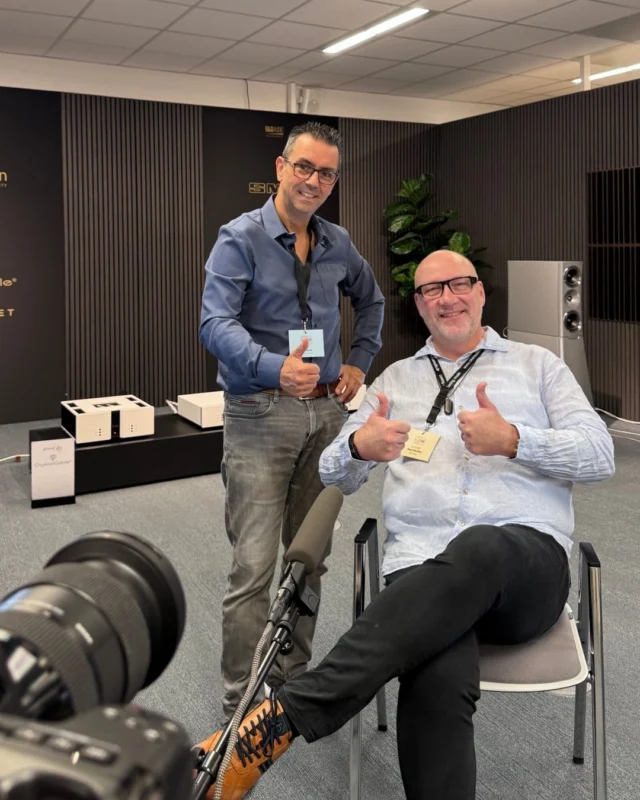
Roland Hoffmann explaining analogue versus digital amplification
Roland Hoffmann: the analogue versus digital amplification question starts with how music is stored, not how it’s amplified.
  • Why analogue versus digital amplification is really about storage first
  • The idea behind Peter Lyngdorf’s digital amplifiers
  • Why analogue amplifiers still hold their place
  • Why more amplifier power and headroom matter

Why analogue versus digital amplification is really about storage first

Almost every studio, whether recording music or film, works entirely in the digital domain today — the instant a voice or instrument is captured, it becomes digital data. That means the “keep it analogue” instinct only really applies to the brief moment before a microphone, since everything after that is stored, copied and transmitted digitally simply because less can go wrong to the signal that way. Analogue storage and transmission are vulnerable to hiss, crosstalk, leakage, noise and gradual degradation over time in ways digital data simply isn’t, which is exactly why digital became the standard for preserving and distributing recorded sound in the first place.

The idea behind Peter Lyngdorf’s digital amplifiers

If digital is the better way to preserve music as data, the logical next question is why convert it to analogue any earlier than necessary. That’s the reasoning Peter Lyngdorf and his team followed in the late 1990s, well before most music was even digital: keep the signal in the digital domain for as long as possible, and only convert it to analogue at the very last stage, where the amplifier drives the speaker. Somewhat surprisingly, most amplifiers marketed as digital — Class A, AB, G, H and even D switching designs — actually convert the signal to analogue first and amplify it there, picking up every analogue side effect along the way. Some of the least refined designs go a step further and squeeze the signal through an old-fashioned analogue volume pot before it’s even amplified — a solution Hoffmann is happy to point out belongs in the 1950s, not on a calendar reading 2024.

Why analogue amplifiers still hold their place

None of this makes analogue amplification bad — well-executed analogue designs are mature, refined and can sound excellent, and not every digital component on the market is automatically well engineered either. Good sound in either domain comes down to component quality, circuit design and budget, not simply which domain the signal happens to live in. Hoffmann is also candid that some analogue side effects — mild overtones, a touch of distortion — genuinely sound pleasant to many listeners. The trade-off is that this pleasant effect is a form of coloration: the same coloration gets applied to every voice and every instrument alike, whether or not it belongs there, which is why staying in the digital domain as long as possible remains the more faithful approach to reproducing a specific recording as it was captured.

Digital amplifier circuit design keeping the signal in the digital domain
Digital amplifiers aim to convert the signal to analogue only at the very last stage, right before the speaker.

Why more amplifier power and headroom matter

Digital and Class D amplification were originally developed for energy efficiency, not sound quality — Class A and AB designs simply generate too much heat to fit into portable devices, computers or multi-channel AV receivers. That efficiency also happens to deliver more usable power from the same power supply, which matters for a different reason than raw loudness: headroom. An amplifier rated at 400 watts per channel rarely needs anywhere near that in continuous use, but that reserve capacity means a sudden musical transient or dynamic peak is handled without strain, the same way a larger car engine makes normal driving feel more effortless even though its extra power is only used in brief moments. That effortlessness, more than outright loudness, is what more amplifier power is actually good for. Hoffmann covers two related building blocks of a system that sounds effortless in other Tech Talks: speaker placement and harmonic frequencies.

Amplifier headroom and dynamic power reserve for musical transients
Extra amplifier headroom is used only in brief musical transients, but it’s what makes an amplifier sound effortless.

Frequently asked questions

What’s the real difference in analogue versus digital amplification?

The bigger difference happens before amplification: virtually all music is recorded, stored and transmitted digitally today because digital data resists degradation, noise and crosstalk far better than analogue signal paths. A digital amplifier keeps the signal digital for as long as possible before converting it at the very last stage.

Why did Peter Lyngdorf design amplifiers to stay digital as long as possible?

Because converting music to analogue early exposes it to side effects like noise, hiss and coloration for the entire signal path. Keeping the signal digital until the final conversion at the speaker output minimises how much of the chain can degrade the sound.

Are most “digital” amplifiers actually digital all the way through?

No. Most amplifier types, including many marketed around digital or Class D technology, convert the signal to analogue early and amplify it there, picking up the same analogue-domain side effects a conventional amplifier would.

Is analogue amplification bad for sound quality?

Not at all — well-designed analogue amplifiers can sound excellent. The issue is that any pleasant coloration from analogue components gets applied uniformly to every instrument and voice, regardless of whether that coloration belongs in the original recording.

Why does more amplifier power matter if I rarely play music loudly?

Extra power provides headroom for sudden musical transients and dynamic peaks, which need a short burst of power far above the average listening level. That reserve, not everyday loudness, is what makes an amplifier sound effortless.

Tags: Digital amplifiersTube amplifiers
ShareTweet
Marco Lisi

Marco Lisi

Publisher

Marco Lisi is the publisher of Best of High End, part of AV Concepts BV. His path into audio started early: as a teenager he was drawn into the world of free radio, presenting shows and living immersed in music every day. In his early twenties he ran his own production studio for five years, creating jingles and commercials — hands-on training in sound design, pro-audio workflows, and critical listening through studio monitors that still shapes how he evaluates gear today. He also spent years DJing in clubs before moving into publishing, first at two earlier online magazines before founding Best of High End. His hi-fi and home cinema passion was inherited from his father, an inveterate system-swapper. Marco's first setup — a confirmation gift — paired AKAI separates with entry-level Bowers & Wilkins speakers, a brand he stayed loyal to for years as his system grew from stereo into full surround and home cinema. Like many enthusiasts, he went through an extended "audiophile" phase chasing the next upgrade, before settling into a more grounded view: gear as a means to enjoy music and film, not an end in itself. Years of critical listening have given him a well-trained ear — the ability to characterize a system or pinpoint a change in the chain quickly and accurately. Just as important, his teaching background (a Belgian "regent" degree in Dutch language) gives him the tools to translate those listening impressions into clear, readable writing.

Related Posts

PrimaLuna EVO 400 tube integrated amplifier front angle with glowing tubes
News

PrimaLuna Launches EVO 400 Tube Integrated Amplifier

July 27, 2026
first-look-lyngdorf-audio-tdai2210
First look

Lyngdorf Audio TDAI-2210

July 29, 2026
ranieri-audio-labs-debuts-varieta-at-axpona-2025
News

Ranieri Audio Labs debuts Varieta at Axpona 2025

July 13, 2026
lab12-mighty-tube-amplifier
News

Lab 12 Might tube amplifier

July 13, 2026
the-digital-amplifier-(r)evolution-explained
Tech talk

The digital amplifier (r)evolution explained

July 27, 2026
lyngdorf-mxa-8400
First look

Lyngdorf MXA-8400

July 30, 2026
Next Post
isoacousstics-announces-black-november-sale

IsoAcoustics announces Black November Sale

bose-corporation-aquires-mcintosh-group

Bose Corporation acquires McIntosh Group

Tag Cloud

4K Audio-Technica AV processors Bang & Olufsen Bowers & Wilkins Cables CD player CES 2018 CES 2025 Dac DACs DALI Dan D'Agostino Estelon FiiO Focal Gold Note HDR Headphone amplifiers Headphones HIGH END Munich 2025 High End Vienna 2026 High End® Integrated amplifiers Klipsch loudspeaker Loudspeakers Lyngdorf Lyngdorf Audio McIntosh Panasonic Power amplifiers Preamplifiers Projectors Samsung Silent Angel Sonus Faber Sony Steinway Lyngdorf StormAudio Streaming audio Subwoofers Turntables Wireless speakers

Trending This Week

1 Eversolo T10 digital transport review 2 Atoll Electronique IN400 Evolution integrated amplifier review 3 Revival Audio Atalante 3 review 4 Eversolo Adds the AMP-F8 Power Amplifier to Its Hi-Fi Lineup 5 Dynaudio Evoke 20 review

Most Popular Posts

01 55.9K READS What’s the best position for the subwoofer? 02 15.5K READS Dynaudio Evoke 20 review 03 15.2K READS Focal Aria 948 review
Lyngdorf TDAI-1120 review 12.8K reads Is one subwoofer enough to excite the room? 11.7K reads Revival Audio Atalante 3 review 9.5K reads Rega RP-10 review 5.9K reads MSB Technology Select DAC for the best sound 5.4K reads Vitus Audio SIA-025 review 4.8K reads
UniVicoustic teams up with Captech as its new offi UniVicoustic teams up with Captech as its new official Nordic distribution partner, bringing its acoustic treatment panels to Sweden, Finland, Denmark and Norway. Link in bio for the full story. #UniVicoustic #Captech #AcousticPanels #HiFi #NordicAudio #ProAV #AcousticTreatment #SoundDesign #InteriorAcoustics #HighEndAudio
Foundations matter. Blok's new Axis speaker stands Foundations matter. Blok's new Axis speaker stands pair a fillable, resonance-damping metal pole with isolation feet, in 3 heights and 2 finishes. Link in bio for the full story. #Blok #MonitorAudio #HiFi #Audiophile #HighEndAudio #SpeakerStands #Standmount #HiFiSetup #BestOfHighEnd

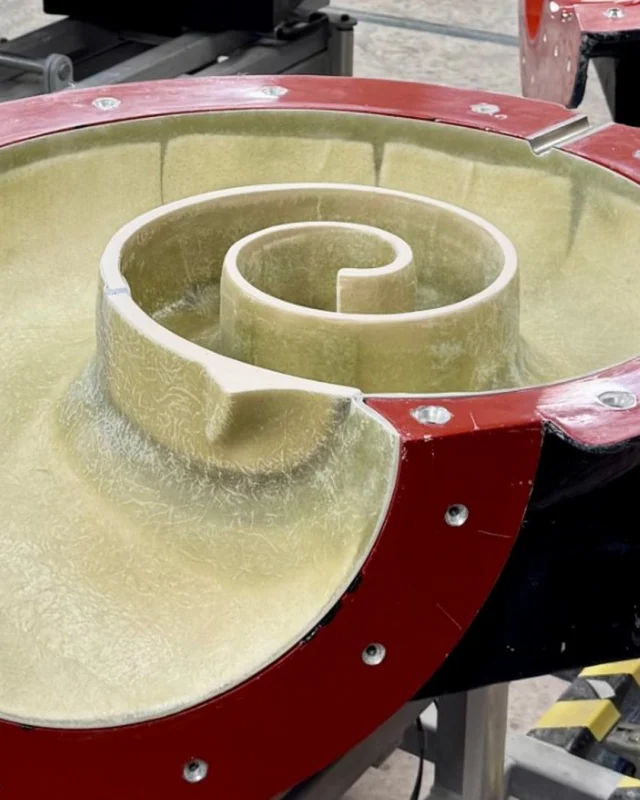
Power, sculpted. TIDAL's new MA1 monoblock amplifi Power, sculpted. TIDAL's new MA1 monoblock amplifier is a collaboration with Bugatti — reference-level engineering wrapped in a fully bespoke exterior. Link in bio for the full story. #TIDALAudio #Bugatti #HighEndAudio #Monoblock #HiFi #Audiophile #PowerAmplifier #LuxuryAudio #BestOfHighEnd
Silence starts at the socket. SilentPower's AC iPu Silence starts at the socket. SilentPower's AC iPurifier 2 cuts mains noise by over 100x and adds built-in surge protection and diagnostic LEDs, all in one compact plug. Link in bio for the full story. #SilentPower #iFiAudio #HiFi #Audiophile #HighEndAudio #PowerConditioner #ACiPurifier #CleanPower #HiFiSetup #BestOfHighEnd
One amp to end them all. iFi Audio's iCAN PHANTOM One amp to end them all. iFi Audio's iCAN PHANTOM 1.5 packs solid-state AND valve amplification, a built-in electrostatic energiser and a new VU meter into one flagship headphone amp. Link in bio for the full story. #iFiAudio #iCANPHANTOM #HeadphoneAmp #HiFi #Audiophile #HighEndAudio #HeadphoneCommunity #TubeAmp #Electrostatic #BestOfHighEnd
More accuracy, more SPL, same compact footprint 🎧 More accuracy, more SPL, same compact footprint 🎧 The Dynaudio M2 MkII brings a new Esotar3 tweeter and hand-built crossover to the brand's compact 3-way studio monitor. Link in bio for the full story. #Dynaudio #StudioMonitor #ProAudio #Esotar3 #MusicProduction #StudioGear
One box, every source 🎶 Tangent's new Spectrum II One box, every source 🎶 Tangent's new Spectrum II X5 Active BT bundles a 2x50W amp, HDMI ARC and a built-in phono stage for turntables. €549. Link in bio for the full story. #Tangent #ActiveSpeakers #Bookshelf #HiFi #Turntable #Vinyl
  • About us
  • Advertising
  • Contact
  • Terms and Conditions
  • Privacy Policy
  • Cookie Policy

© 2026 Best Of High End - by AV Concepts BV ·

Manage Consent
We use cookies to keep this site running, to measure how it is used, and to show videos from YouTube. Refusing costs you nothing: every article stays fully readable. Videos then show a short notice and load only when you click them.
Functional only Always active
The technical storage or access is strictly necessary for the legitimate purpose of enabling the use of a specific service explicitly requested by the subscriber or user, or for the sole purpose of carrying out the transmission of a communication over an electronic communications network.
Preferences
The technical storage or access is necessary for the legitimate purpose of storing preferences that are not requested by the subscriber or user.
Statistics
The technical storage or access that is used exclusively for statistical purposes. The technical storage or access that is used exclusively for anonymous statistical purposes. Without a subpoena, voluntary compliance on the part of your Internet Service Provider, or additional records from a third party, information stored or retrieved for this purpose alone cannot usually be used to identify you.
Marketing
The technical storage or access is required to create user profiles to send advertising, or to track the user on a website or across several websites for similar marketing purposes.
  • Manage options
  • Manage services
  • Manage {vendor_count} vendors
  • Read more about these purposes
View preferences
  • {title}
  • {title}
  • {title}
No Result
View All Result
  • Choose
    • Buying guides
      • Best Hi-Fi Accessories
      • Best Hi-Fi Amplifiers
      • Best Hi-Fi Loudspeakers
      • Best Streaming DACs
    • First looks
    • Reviews
  • Experience
    • Factory visits
    • Industry icons
    • Reports
  • Follow
    • News
  • Learn
    • Academy
    • Tech talk
  • Trust
    • Marco Lisi — Inside HQ
    • Daniel Březina — High-End, Lived-In
    • John Bugailiskis — Sound proof
    • Finn de Kroon — Kii room
  • Watch

© 2026 Best Of High End - by AV Concepts BV ·

Before you go — join the newsletter

Get the best in high-end audio, straight to your inbox. No spam, unsubscribe anytime.