

Alexander Vitus Mogensen introduces the Alluxity Mono One, the newest addition to the Danish brand’s amplifier line-up.
Fitting a mono amplifier into a familiar chassis
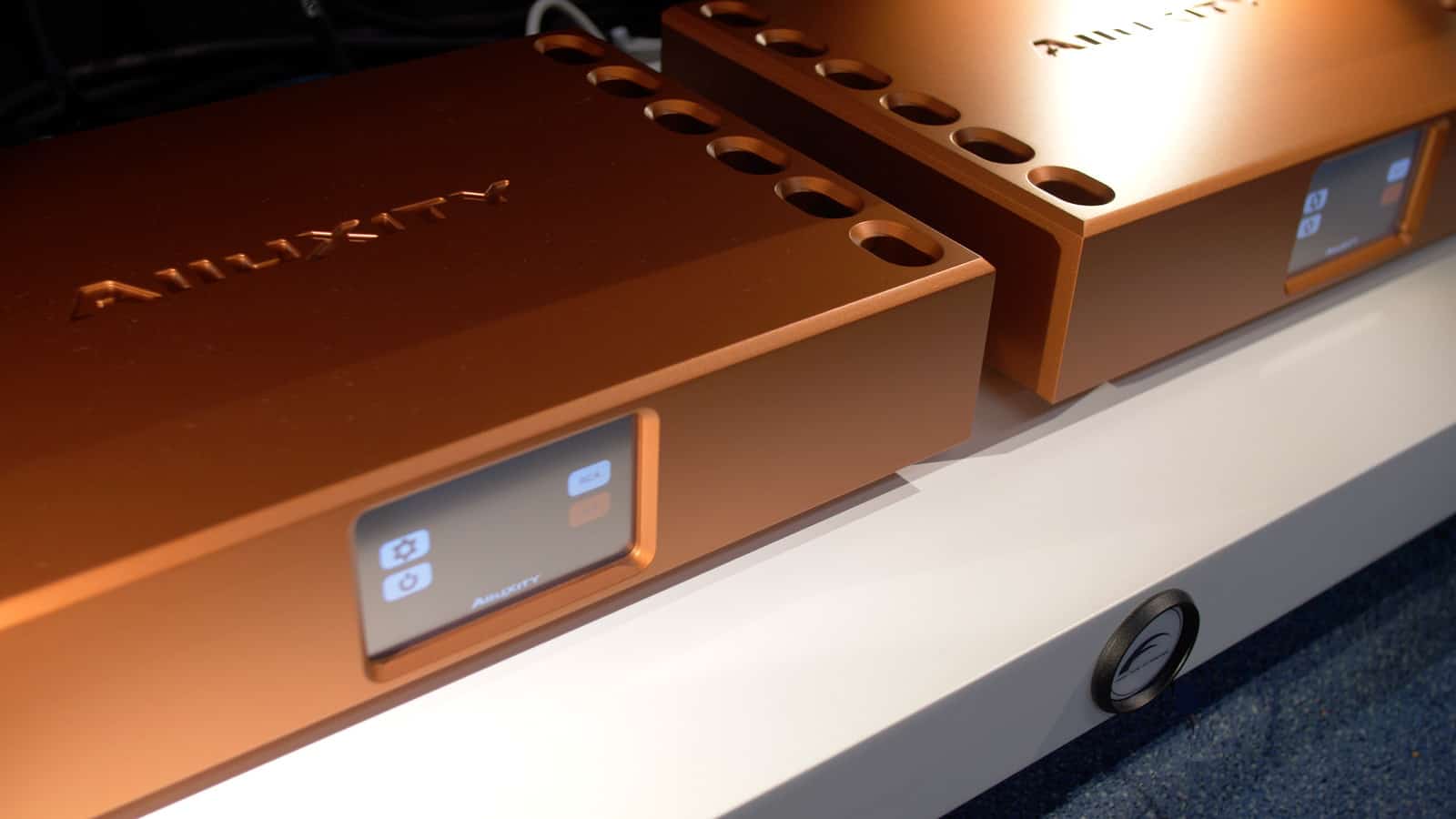
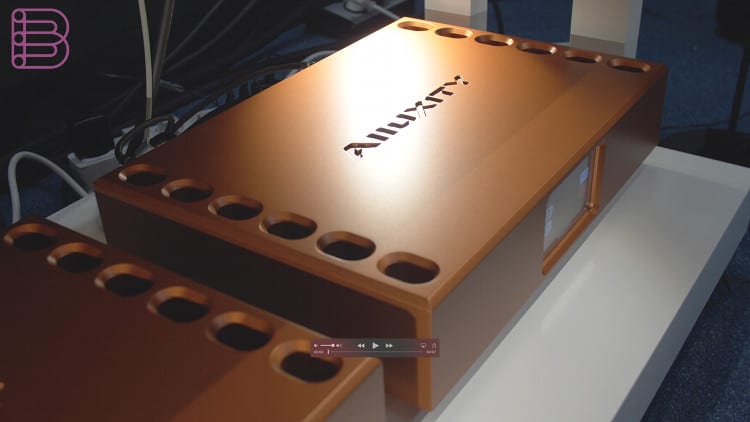
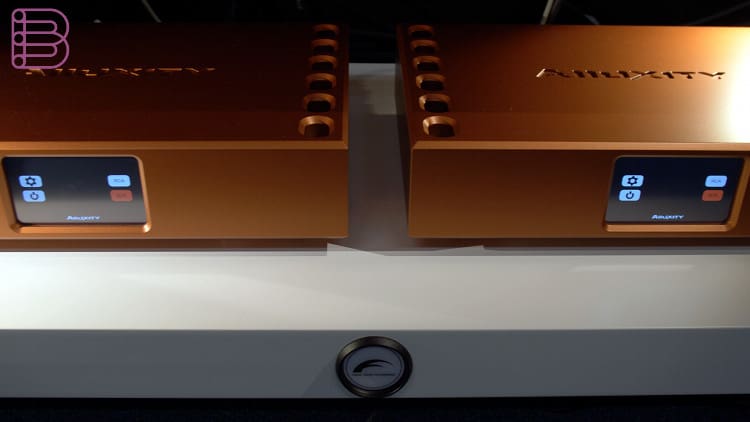
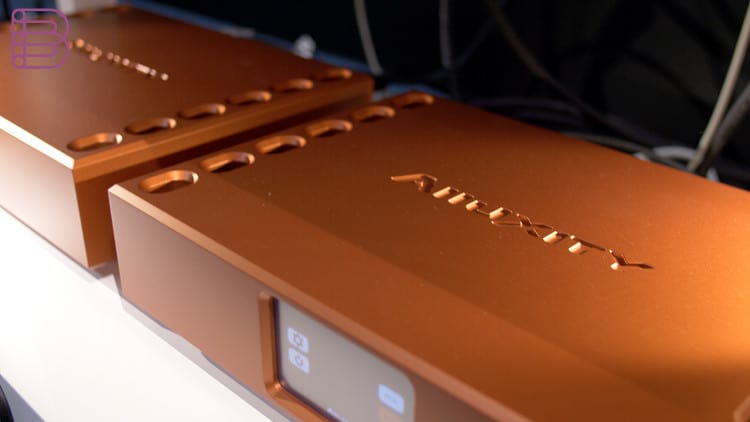
The Mono One is designed to fit the same chassis Alluxity already uses for its preamplifier and media server — a deeper enclosure that leaves room for a lot more circuitry than a standard power amplifier would need. Mogensen packed in significantly more discrete technology and capacitors than on the brand’s previous pure power amplifier design, in line with Alluxity’s general approach: fit as much into a product as the chassis will allow.
Why a mono power amplifier
Mogensen wanted to push the line further upmarket, even though the existing Alluxity products were already high-end, by testing what was possible within the fixed chassis size the brand designs around. With a stereo amplifier and an integrated amplifier already in the range, the integrated’s chassis turned out to be the right size for a mono design — which is how the Mono One came about.
Built mostly in-house, module by module
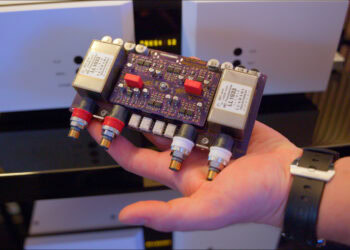
Production follows the same process as the rest of the Alluxity range: chassis machining and painting, along with circuit board fabrication, are outsourced (the chemical processes involved aren’t handled in-house). What Alluxity does keep in-house is mounting components onto every circuit board — a deliberate investment that lets the team iterate quickly and keep improving quality and design over time. While a chassis order is with the subcontractor, Alluxity orders circuit boards in batches and handles their assembly itself, so any error or design update can be implemented quickly without waiting on an outside production run. Every module in the Alluxity line is tested before final assembly, which by that stage is largely plug-and-play — the same process the brand has used from its first preamplifier and power amplifier through to the Mono One. Building a single unit takes one person a few days, though pinning an exact number down is difficult since assembly happens in multiple steps, from mounting the smallest components to final testing.
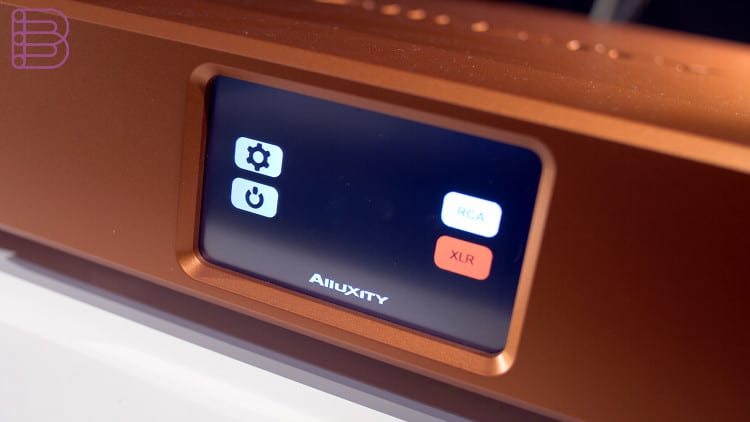
A familiar Alluxity sound, with more low-end control
Sonically, the Mono One shares the same signature as the rest of the Alluxity range: warm, natural and easy on the ear, without ever feeling like it’s putting pressure on the listener. Compared to Alluxity’s other power amplifiers — including the Power One — the Mono One offers more punch and tighter control across the frequency range, especially in the bass: it sounds faster and more distinct than the Power One, even though the Power One is no slouch either. For the full technical rundown and listening notes, see the Alluxity Mono One power amplifier review.
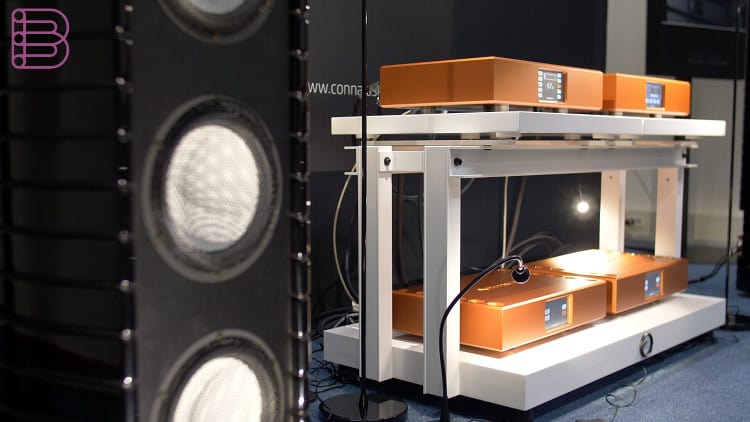
Building a system around it
Mogensen deliberately avoids recommending specific speaker brands to pair with the Mono One — it comes down to taste, whether a listener prefers a precise, analytical presentation or a more musical, “swingy” one. His advice is to build a system around the sound a listener already knows they want, rather than spreading a system’s character too thin: most audiophiles already have a clear sense of the signature they’re chasing. The Mono One, in his view, can support either direction — analytical or warmer and bolder — depending on what it’s paired with.
Visit the Alluxity website.
Frequently asked questions
What is the Alluxity Mono One?
A mono power amplifier from the Danish brand Alluxity, built into the same compact chassis the brand uses for its preamplifier and media server.
How does the Mono One compare to Alluxity’s Power One amplifier?
The Mono One offers more punch and tighter control across the frequency range, especially in the bass — faster and more distinct than the Power One, according to Alluxity’s Alexander Vitus Mogensen.
Does Alluxity build the Mono One entirely in-house?
Mostly. Chassis machining, painting and circuit board fabrication are outsourced, but Alluxity mounts every component onto the circuit boards itself and tests each module before final assembly.