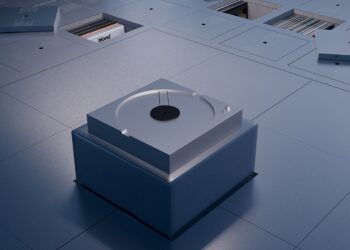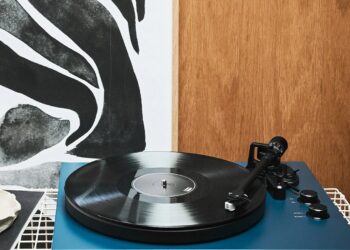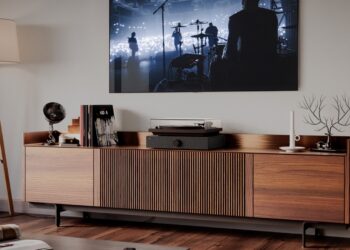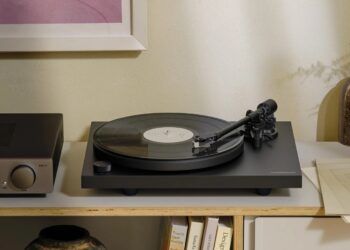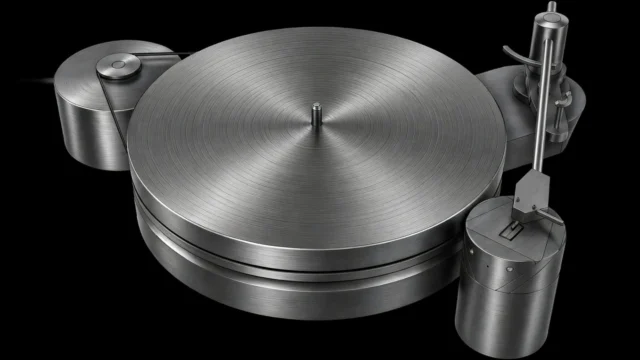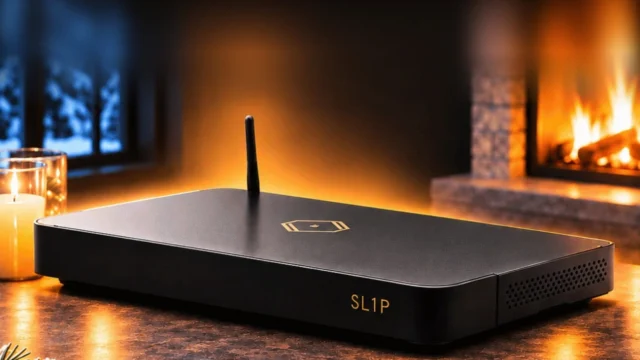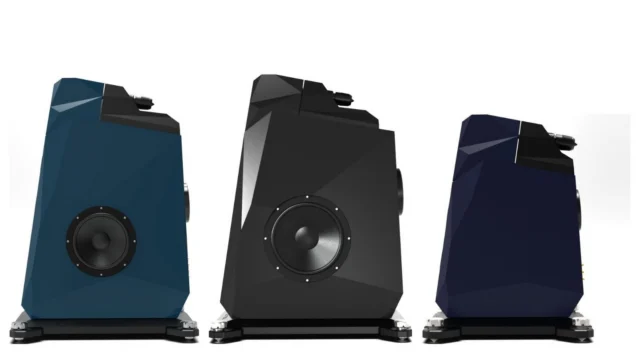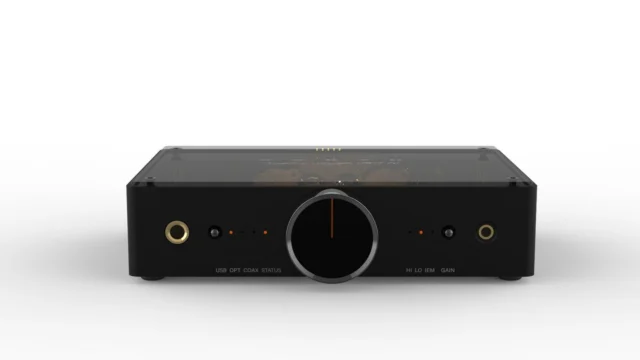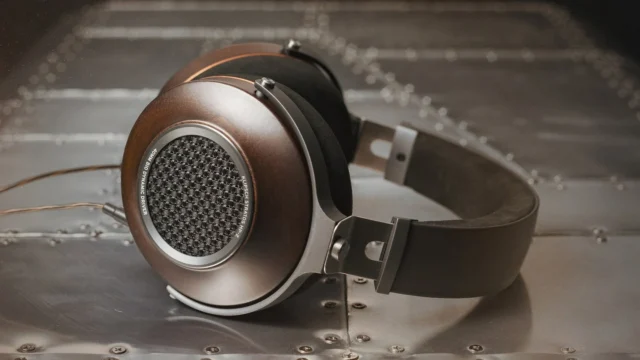


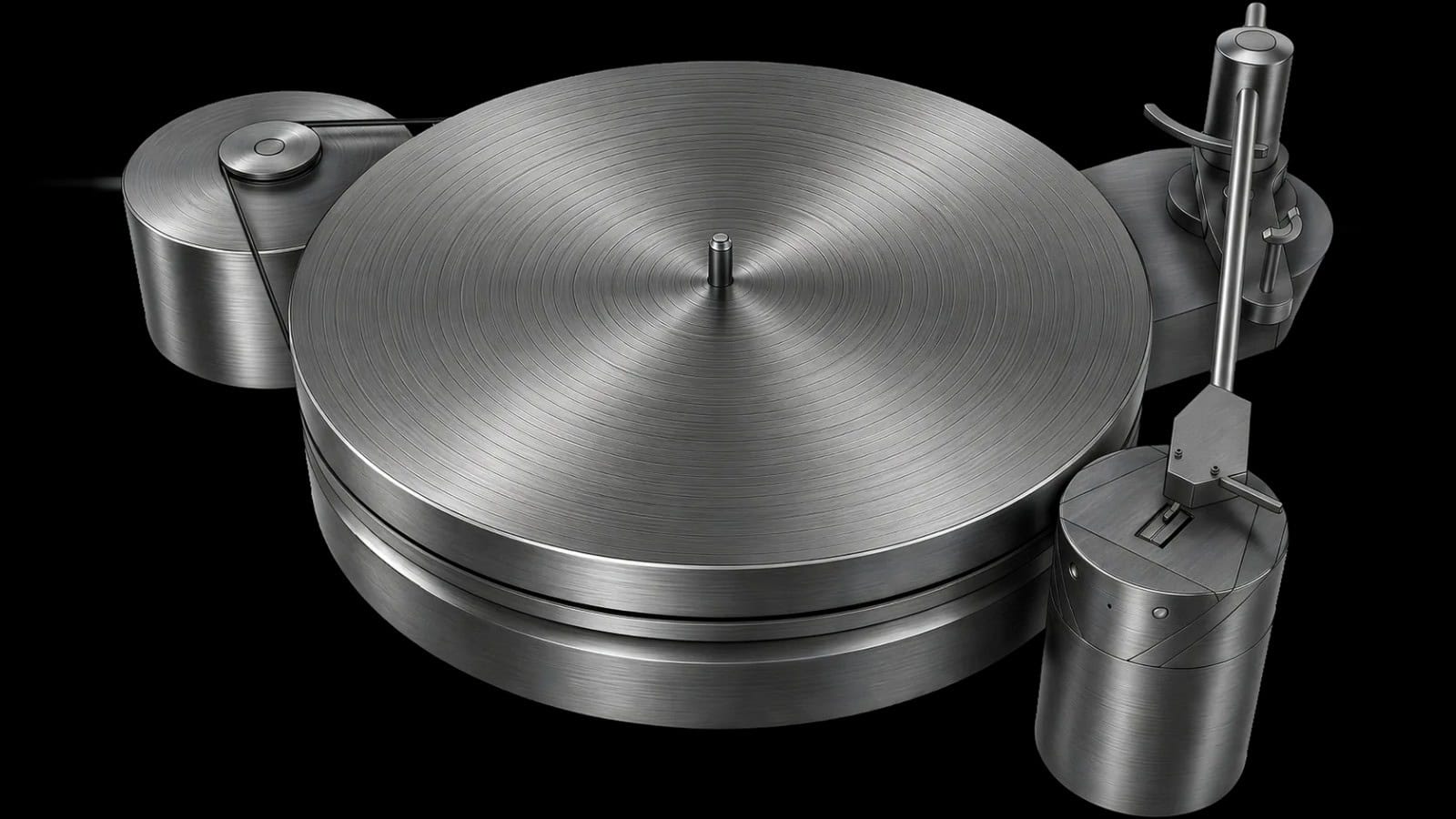
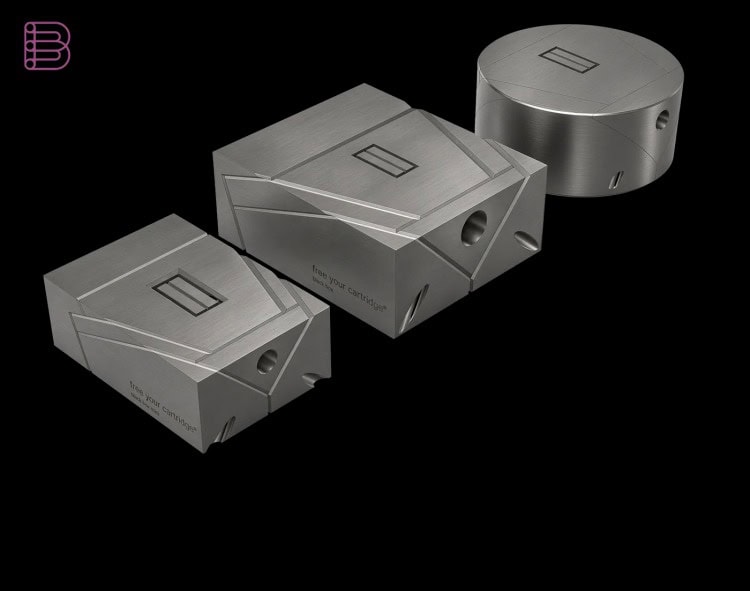
What if your turntable could play Tidal, Qobuz or your own digital files, through your own tonearm, cartridge and phono stage? That is the idea behind free your cartridge, a technology developed by PLS Labs (Pure Laminar Stream Laboratories). Instead of a record groove, a dedicated device moves the stylus, so the cartridge turns digital music into an analogue signal in exactly the same way as it does with vinyl.
PLS Labs free your cartridge: how it works
The principle is simple to describe and hard to engineer. A digital audio signal, from local files or a streaming service, is converted into precise mechanical motion. That motion is transferred to the stylus, which vibrates just as it would in the groove of a record. The cartridge then generates its signal as usual, and that signal passes through the existing tonearm cable and phono stage.
According to PLS Labs, the chain therefore involves a digital-to-analogue conversion, an electro-mechanical conversion and finally the mechanical-to-electrical conversion in the cartridge itself. The result at the cartridge output is fully analogue, with the character of the cartridge and phono stage that the listener has chosen.
What PLS Labs promises
PLS Labs claims several advantages over a spinning record. Because there is no groove, there is no friction-related surface noise, no crackle and no clicks, and the signal-to-noise ratio is limited only by the self-noise of the phono stage. The company also says stylus life is greatly extended, compared with an average of around 1,000 hours for conventional playback, although it does not give a figure.
The music library is no longer limited to the records on the shelf. Any legal digital audio can be played, including streaming catalogues with more than 250 million tracks. A feedback-based calibration routine corrects the combined resonance of arm and cartridge, as well as the amplitude and phase response of the analogue path. PLS Labs also describes a studio version, which works as an analogue “plugin” for mono, stereo and multichannel material.
An intriguing concept, with open questions
For audiophiles who have invested in a high-end cartridge and phono stage, the PLS Labs free your cartridge idea is intriguing: it would let them use that chain for their entire digital library. At the same time, it raises questions that only a listening test can answer. How much of the sound that vinyl lovers cherish comes from the cartridge and phono stage, and how much from the record and the mastering itself? And how well does an electro-mechanical actuator reproduce the stylus movement of a real groove?
If you want to know more about the role of the phono stage, read our explainer on MM versus MC phono preamps.
Pricing and availability
PLS Labs has not yet announced prices, availability or a launch date for free your cartridge. The company is inviting questions, partnership requests and requests for test units via its PLS Labs website, which is available in English, Ukrainian and Polish.
Key specifications
- Technology: free your cartridge, digital-to-mechanical stylus drive
- Sources: local digital files and streaming services (Tidal, Qobuz, Spotify)
- Compatibility: existing turntable, tonearm, cartridge and phono stage
- Signal path: DAC, electro-mechanical conversion, cartridge (fully analogue output)
- Calibration: feedback-based correction of resonance, amplitude and phase response
- Versions: consumer device and studio version (mono, stereo, multichannel)
- Price and availability: not yet announced