

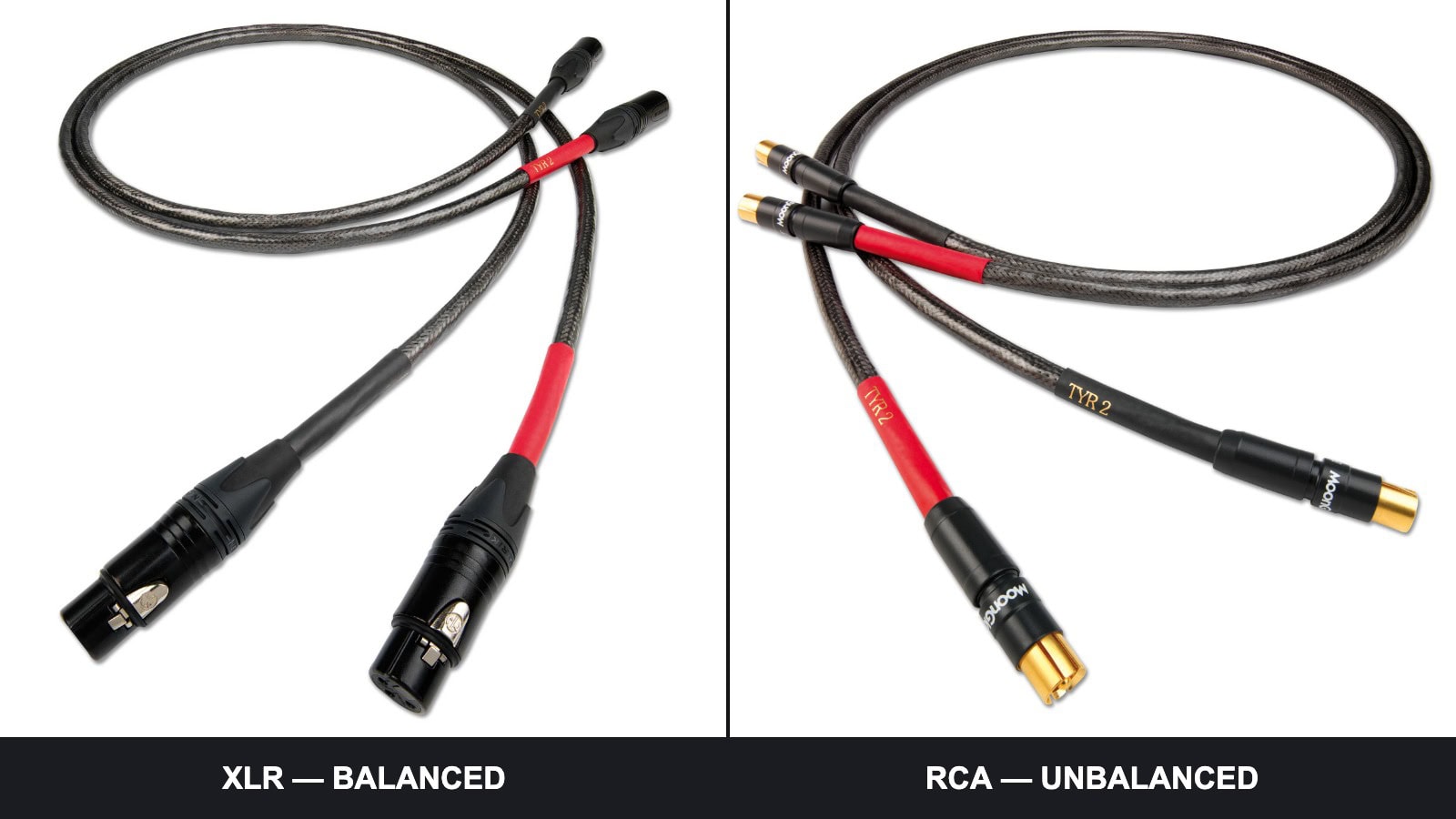
Walk into any serious high-end system and you will find two very different connector shapes fighting for the same job: the three-pin, screw-locking XLR and the familiar single-pin RCA. Both carry a stereo analog signal from one box to the next, yet the balanced vs unbalanced debate still shapes how manufacturers design everything from phono stages to power amplifiers. The short version is that a balanced, XLR-based connection rejects noise far more effectively than an unbalanced RCA link, and that advantage grows with every extra meter of cable and every extra component in the chain.
From the Recording Studio to the Living Room
The XLR connector did not start life in a hi-fi rack. It was developed in the 1950s for professional recording and broadcast, where microphone cables regularly ran dozens of meters across a studio floor or a concert hall, often alongside mains wiring, lighting dimmers and other sources of electrical interference. Engineers needed a connection that could survive that hostile electrical environment without picking up hum or radio-frequency noise, and the balanced, differential signal path became the industry standard.
High-end audio borrowed the format decades later, once manufacturers started building longer cable runs into home systems: separate mono-block power amplifiers placed right next to the loudspeakers, multi-room installations, or simply audiophiles who wanted their electronics on a different wall than their listening chair. The unbalanced RCA connector, meanwhile, remained hi-fi’s default since the format’s own origins in home and consumer electronics, where short cable runs and a simpler, cheaper connector made more practical sense.
Why a Balanced vs Unbalanced Signal Behaves So Differently
An unbalanced RCA connection sends the audio signal down one conductor and uses a second, grounded conductor as both the signal return and the shield. Any electrical noise that the cable picks up along the way, from a nearby transformer, a dimmer switch or simply other cables bundled together, gets added directly to the signal and travels straight to the amplifier’s input.
A balanced XLR connection takes a different approach entirely. The source sends two copies of the same signal down two separate conductors, one of them deliberately inverted in polarity, while a separate ground conductor carries no signal at all. Because the receiving equipment subtracts one copy from the other, any noise that both conductors pick up equally along the cable run, known as common-mode noise, cancels itself out, while the wanted signal, which is inverted between the two lines, doubles in strength. This is the same common-mode rejection principle that protects a balanced microphone cable at a rock concert, just applied to the connection between a preamplifier and a power amplifier at home.
The practical benefit of this balanced vs unbalanced difference only really shows itself over distance. A one-meter RCA interconnect between a source and an integrated amplifier sitting on the same shelf has little opportunity to pick up noise in the first place. Run five or ten meters of cable to a pair of mono-blocks next to the speakers, though, and an unbalanced connection becomes far more vulnerable to hum and buzz than a balanced one.
Balanced Connectivity in Today’s High-End Gear
Balanced inputs and outputs have become a common sight on high-end electronics built for exactly these longer, more ambitious system layouts. The Cayin HA-1A MK3, a single-ended Class A tube headphone amplifier and preamplifier, pairs its traditional 6.35mm output with a 4-pin balanced XLR headphone jack, delivering noticeably more power and a cleaner noise floor into demanding balanced headphone cables than the unbalanced output alone. Riviera Labs takes the same philosophy further upstream: its AFM100SE hybrid monoblock amplifiers offer a floating balanced XLR input alongside a conventional grounded RCA input, feeding straight into the amplifier’s triode gain stage without any switching to compromise the signal path.
Digital sources benefit just as much. The Merason DAC 2, a Swiss dual-mono converter built around twin BurrBrown PCM1794A chips, runs its entire analog output stage in a fully balanced, feedback-free Class A design, offering both balanced XLR and unbalanced RCA outputs so owners can choose the connection that suits their preamplifier.

On the analog side, EAT’s E-Glo SB and E-Glo CB phono stages push the same balanced architecture right back to the turntable: both models convert a cartridge’s signal through a balanced circuit topology and send it onward over XLR as well as RCA, letting vinyl listeners keep a fully differential signal path from stylus to power amplifier.

Across all of these examples, the pattern is the same: a balanced vs unbalanced choice rarely replaces the unbalanced output entirely, it simply adds the option for listeners whose system layout can put it to good use.

When RCA Still Makes Perfect Sense
None of this makes unbalanced RCA connections obsolete. In a compact system with short cable runs, well-shielded interconnects and no nearby sources of electrical noise, a good RCA cable can sound every bit as transparent as a balanced one, and many respected high-end components, including plenty of reference-level amplifiers and DACs, still rely on RCA alone without any audible penalty. Balanced connections also only deliver their full benefit when both the sending and receiving equipment implement a genuine differential circuit rather than a balanced connector wired to an unbalanced circuit internally, a shortcut some budget gear still takes.
For listeners building a more ambitious system, though, especially one with separate mono-blocks, long cable runs between rooms, or a rack full of electronics sharing the same mains circuit, a true balanced vs unbalanced comparison tends to favor XLR every time distance and interference become real variables. It is a technology born out of necessity in professional audio that has quietly become one of the more meaningful upgrades a high-end system can make, long before anyone starts talking about cables, isolation feet or power conditioning.