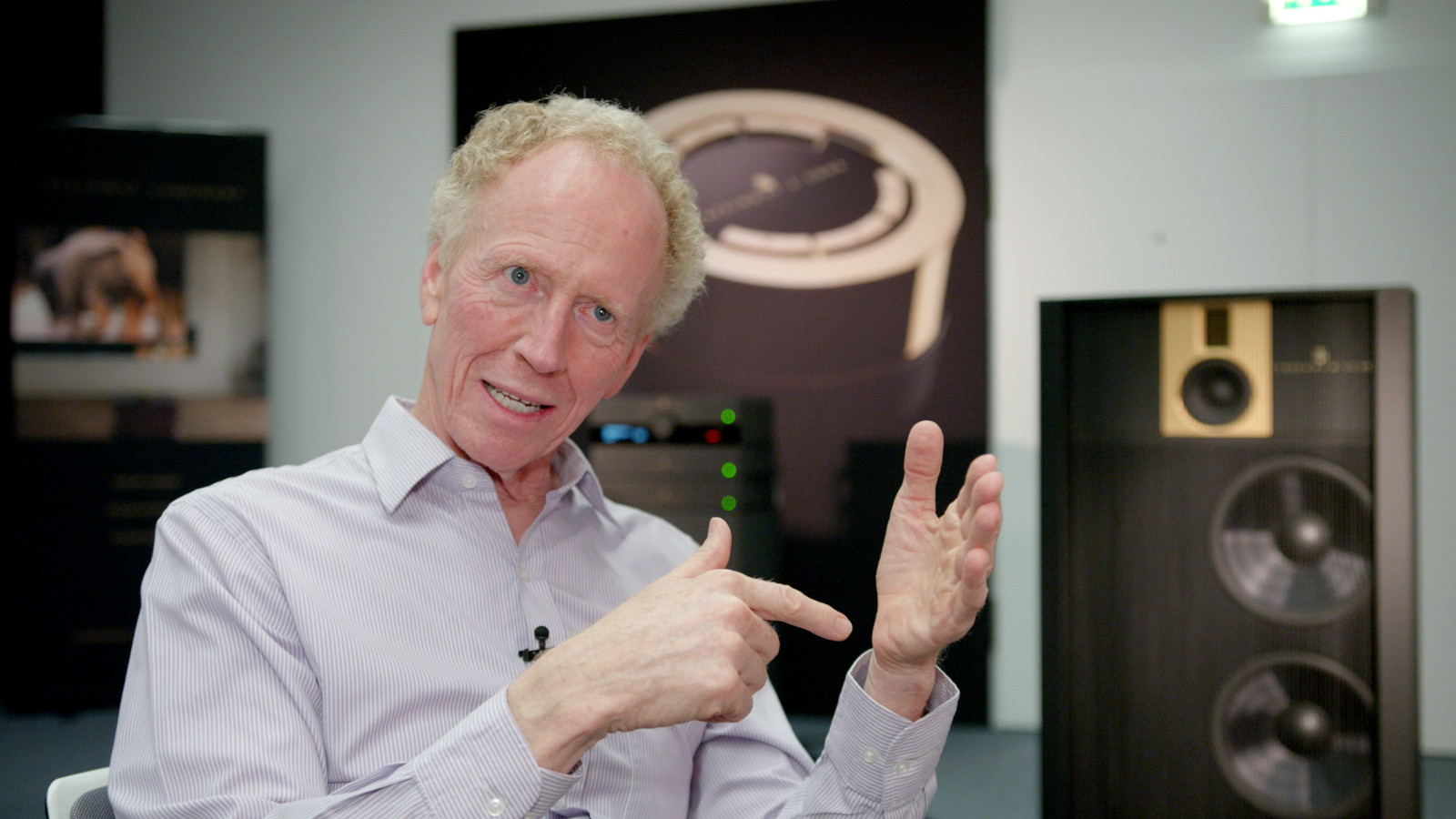


Surround sound with just 4 speakers is Peter Lyngdorf’s favourite demo trick. While talking through the upgrade path from the Lyngdorf MP50 to MP60 — more individually processed surround channels — he started laughing and admitted it: showing off full multichannel sound using only 4 speakers. It sounds like a shortcut. It isn’t.

Panoramic imaging
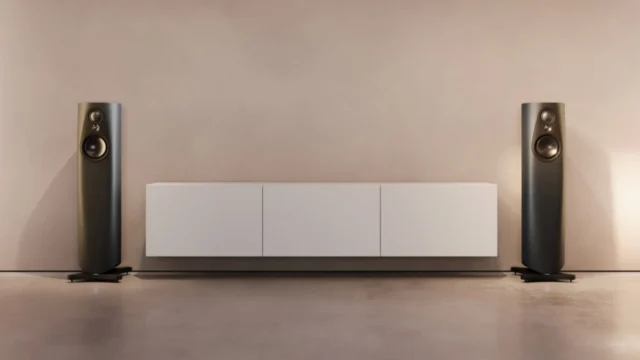
Thanks to RoomPerfect and Steinway Lyngdorf’s bass management, Lyngdorf regularly demonstrates multichannel systems with just left, right, and left/right surround — four speakers total. Anywhere near the centre of the room, that setup already delivers full surround coverage. Ceiling speakers or Auro height channels can be added on top, and they help, but Lyngdorf’s point is that a genuinely good system creates panoramic imaging between the speakers themselves, so extra positions aren’t strictly necessary to fill in the sound field.
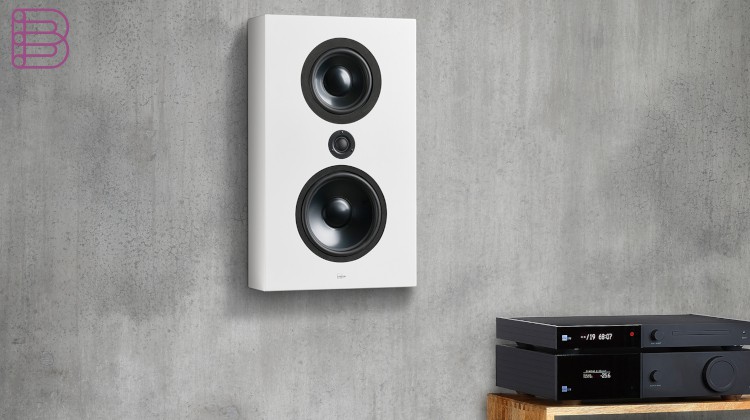
Less is more
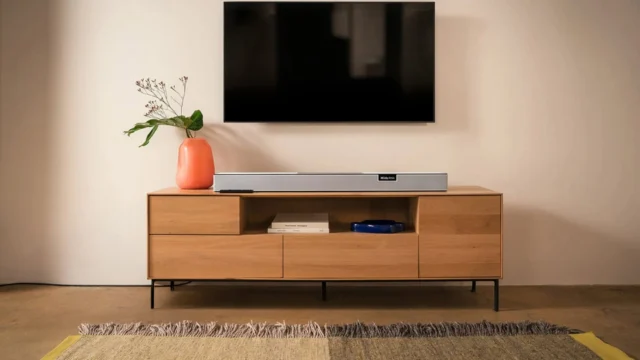
The common assumption — that sound can only feel like it’s coming from a direction if there’s an actual speaker there — is, in Lyngdorf’s words, simply wrong when everything else is done right: good speaker design, a good amplifier, solid room correction, and proper bass management together produce convincing imaging between speakers, without needing a speaker in every direction. Large Atmos and Auro installations Lyngdorf has built typically run eleven channels, and very large rooms can justify going further, but he sees limited benefit in pushing from twelve channels to sixteen — an eleven-channel system alone, he notes, is already a lot of speakers and a lot of setup work for a show. For music specifically, he considers four channels genuinely sufficient. Some customers with a large screen skip the centre channel altogether, since it would otherwise sit awkwardly behind the screen — as long as the listening position stays close to the centre of the room, a dedicated centre speaker isn’t needed.
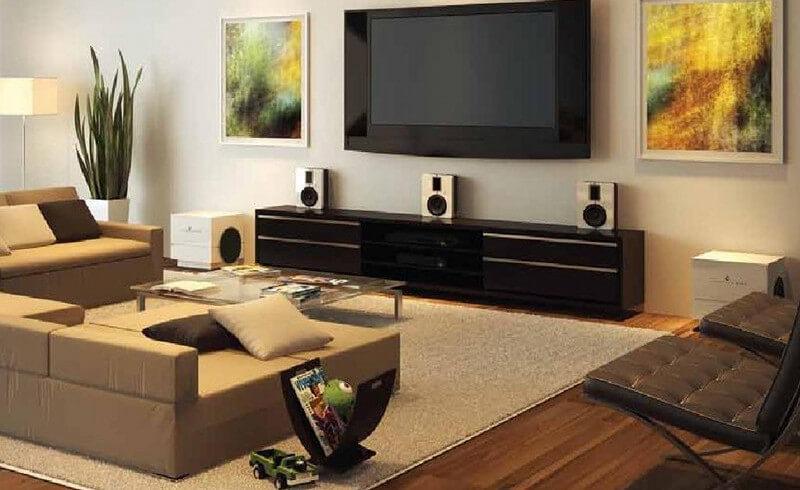
Quality of the speakers
More channels can add envelopment, but Lyngdorf’s rule of thumb is that four genuinely good speakers beat a larger number of mediocre ones. Get the quality right first, then add channels if the budget allows — because no amount of extra speaker count compensates for speakers that simply aren’t very good. Well-made recordings can already carry substantial height information without a dedicated height channel, and Lyngdorf is a fan of the Auro system for music with elevated side speakers specifically — a strong option, if an expensive one, for anyone who can afford it. His bottom line: four good speakers already get you roughly eighty percent of the way there. It’s the same underlying conviction behind why he still starts every demo in stereo first.
Frequently asked questions
Why does Peter Lyngdorf demo surround sound with only 4 speakers?
Because good RoomPerfect room correction and bass management create panoramic imaging between speakers, delivering full surround coverage near the centre of the room without extra channels.
Does adding more speakers always improve surround sound?
Not necessarily — Lyngdorf argues four genuinely good speakers outperform a larger number of mediocre ones, and prioritises speaker quality over channel count.
Is a centre speaker always necessary?
No — some setups skip it if the listening position stays close to the centre of the room, especially when it would otherwise sit awkwardly behind a large screen.