

Today, we dive into a question that shapes desires, markets, and cultures alike: what does “high-end” actually mean? We put it to Roland Hoffmann, Director of Product Marketing at Steinway Lyngdorf, who joined us to unpack a word that gets thrown around far more often than it’s properly defined.
Listen to the full conversation below, or read on for the highlights.
Does High-End Simply Mean Spending the Most Money?
Taken literally, the word “high-end” suggests you need to spend the most money to reach “the end” — the top tier — as if it’s a case of the best or nothing. That’s not really how it works in practice. High-end audio actually covers a broad spectrum, so you don’t need to spend the most money to be part of it — though “high-end” does always mean sitting above entry-level, above the cheapest options in a category.
High-End Isn’t Unique to Audio
Some people assume high-end audio is a strange or niche pursuit. It isn’t — the same idea applies across plenty of other categories. There are high-end digital cameras, high-end e-bikes, high-end espresso machines, and, at the very top of the automotive world, high-end cars — think Ferrari, Lamborghini, Rolls-Royce. But spending more doesn’t automatically guarantee getting proportionally more. You don’t need to aim for the single most expensive option in every category to get a genuinely high-end result — use your brain, and especially your ears, to make a good buying decision.
The Espresso Machine Analogy
A €100 espresso machine can make an okay espresso, but it’s unlikely to ever make a truly good one. There are two reasons for that: it’s built from cheap materials, and nobody had the time or budget to properly develop it. Without budget for real R&D, there’s no room to improve the materials, the engineering, or the overall execution step by step. Spend more, and a product typically gets better materials, better build quality, and the benefit of engineers who had the resources to get the details right. The same principle applies directly to audio.
The Real Goal of High-End Audio: Getting Closer to the Original Sound
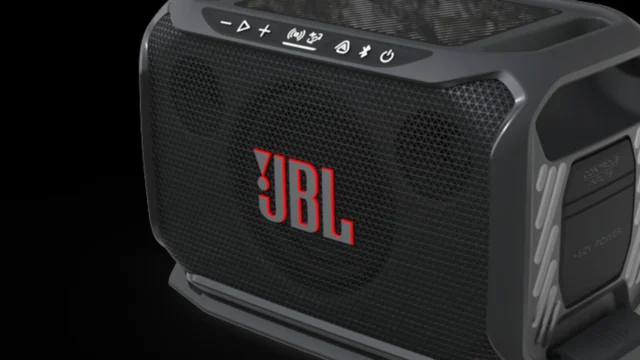
The core idea behind high-end audio is simple: getting closer and closer to the original sound of an instrument, a voice, a recording, or a film soundtrack. At the opposite end of the scale sits a small Bluetooth speaker: you can still play the same song, recognise the singer, even feel emotional listening to a track you know well — but nothing really happens. It stays background music. Play a real instrument nearby, even something simple, and you naturally start noticing how pure the sound is, how long a note rings, all the small details that make it feel alive. All of that nuance gets lost on low-resolution, budget speakers playing music quietly in the background, in mono. The goal of high-end audio is to get closer to that feeling — to feel the music, not just hear it.
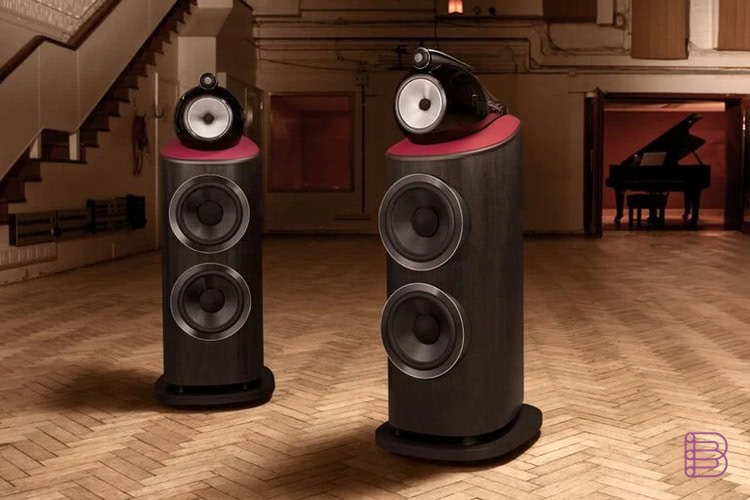
How Best of High End Defines “High-End” in Practice
That idea translates directly to how this magazine covers products. We don’t only write about the most expensive, top-budget gear — we’re always looking for products that overperform relative to their price. When a product is genuinely accountable for its own value, delivering more than you’d expect for the money, that’s what earns it the “high-end” label in our view.
A Good €900 Speaker vs. a Disappointing One
Take a €900 speaker as an example. Judged against the wider hi-fi and high-end audio landscape, €900 alone doesn’t mean much — but you can find a €900 speaker that outperforms every other option at that price, and that instantly makes it the high-end choice in its bracket. You can just as easily find one that underperforms. In that case, trust your ears: if it doesn’t sound like it’s worth the asking price, it isn’t, no matter what the price tag or marketing suggests.
High-End Is a Perception, Not a Label You Print on a Box
High-end isn’t a sticker a brand puts on a product — it has to come from perceived quality: how it sounds, how it’s built, and sometimes a bit of the story behind the brand, the founder, and the design. All of that is filtered through your own perception of whether a product over- or underperforms. In the end, it’s the listener — not an advert or a sticker — who effectively attaches the “high-end” label to a product.
Why Established High-End Brands Earn the Benefit of the Doubt
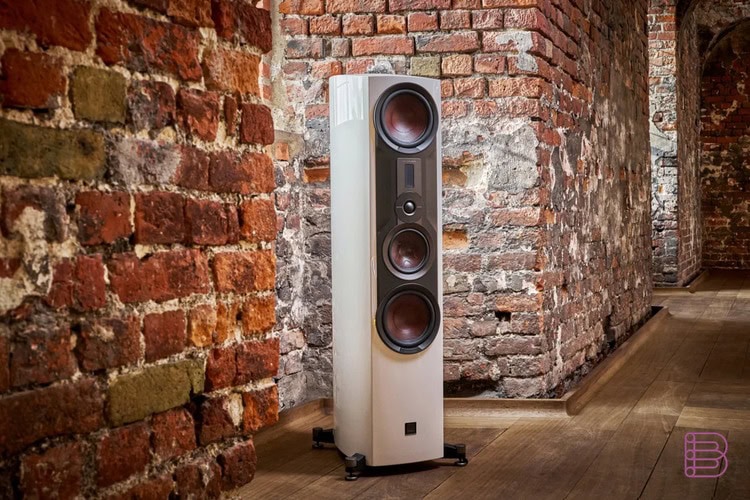
That said, there’s a reasonable shortcut: when an established high-end brand releases a new product, it’s fair to expect it to be high-end too, based on the brand’s track record. In most cases that assumption holds, precisely because that brand became known as high-end by consistently making very good products — a brand that stopped delivering would typically disappear from the market within five or ten years. But a strong reputation is never an automatic guarantee for the next product. It still has to earn that label on its own merits.
The Takeaway
High-end is something you have to experience for yourself, and then weigh against what you’re prepared to pay — sometimes it’s worth spending a little more because a product genuinely performs better. But that doesn’t mean chasing the single most expensive option in every category. In short: high-end doesn’t mean spending all your money — it means watching for products that can overperform within whatever budget you’ve set.
Join us as we keep exploring what elevates the ordinary to the extraordinary, and how it shapes design, luxury, and everyday choices along the way.
Frequently asked questions
Who ultimately decides whether a product is high-end — the manufacturer or the listener?
The listener. High-end isn’t a sticker a brand puts on a box; it comes from perceived quality — how a product sounds, how it’s built, and sometimes a bit of the story behind the brand, its founder, and its design. All of that is filtered through the listener’s own judgment of whether a product over- or underperforms. In the end, it’s the listener, not an advert or a label, who effectively attaches the “high-end” tag to a product.
Is high-end audio a strange or unique pursuit, or does the same idea apply to other product categories?
It applies just as well elsewhere: there are high-end cameras, e-bikes, and espresso machines, and at the very top of the automotive world, brands like Ferrari, Lamborghini, and Rolls-Royce. The espresso machine makes the principle clearest: a €100 machine can make an acceptable espresso but rarely a truly good one, because it’s built from cheap materials with no time or budget for real development. Spending more typically buys better materials, better build quality, and engineers with the resources to get the details right — though spending more never automatically guarantees proportionally more quality.
Why does the same song sound so different on a small Bluetooth speaker compared to a high-end system?
On a small speaker you can still play the song, recognise the singer, and even feel something listening to a track you know well — but nothing really happens; it stays background music. Play a real instrument in the same room and you naturally notice how pure the sound is, how long a note rings, all the small details that make it feel alive. That nuance is exactly what gets lost on low-resolution, budget speakers. The goal of high-end audio is to get closer to that feeling — to feel the music, not just hear it.
Can a €900 speaker be considered high-end?
Absolutely. On its own, €900 doesn’t say much within the wider hi-fi landscape, but a €900 speaker that outperforms every other option at that price becomes the high-end choice in its bracket. The reverse holds too: a speaker that underperforms in the same price class doesn’t earn the label, whatever the price tag or marketing suggests. This is exactly why the magazine looks for products that overperform relative to their price, rather than simply the most expensive gear.
Can you assume a new product from an established high-end brand will also be high-end?
Usually, yes, and it’s a reasonable rule of thumb: a brand earns its high-end reputation by consistently making very good products, and a brand that stopped delivering would typically disappear from the market within five to ten years. But a strong reputation is never an automatic guarantee for the next product — every new model still has to earn that label on its own merits.