

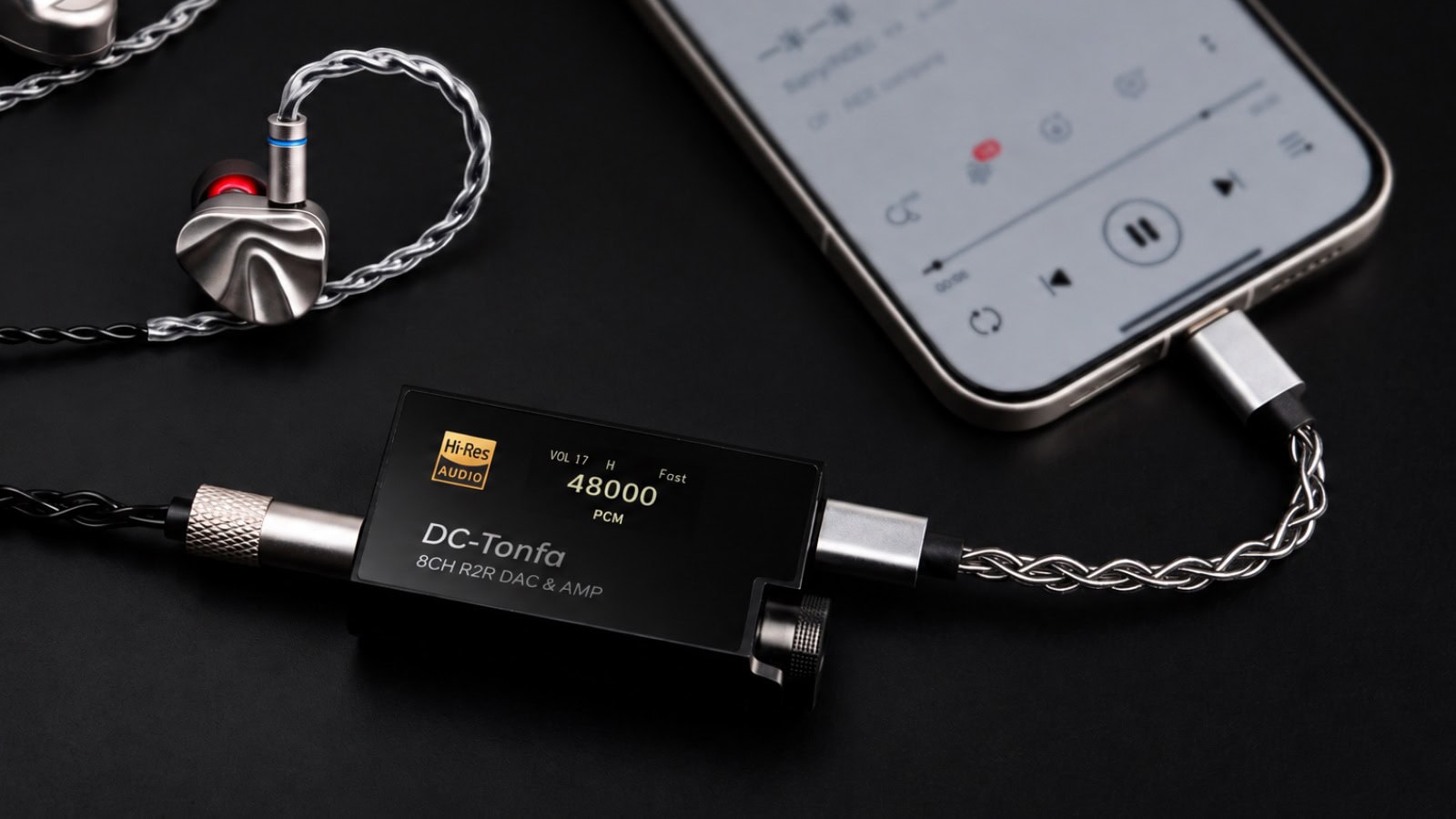
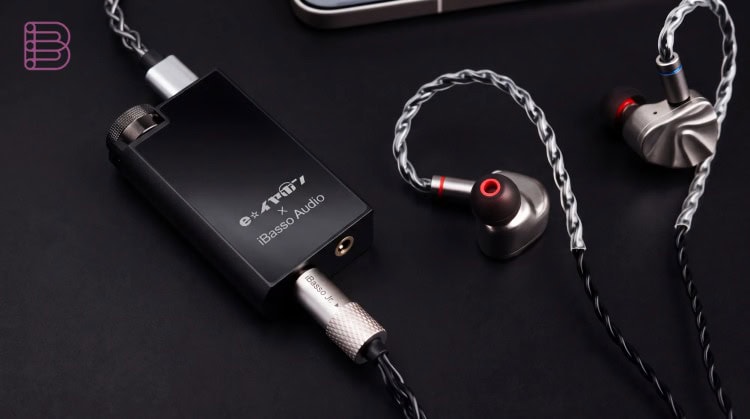
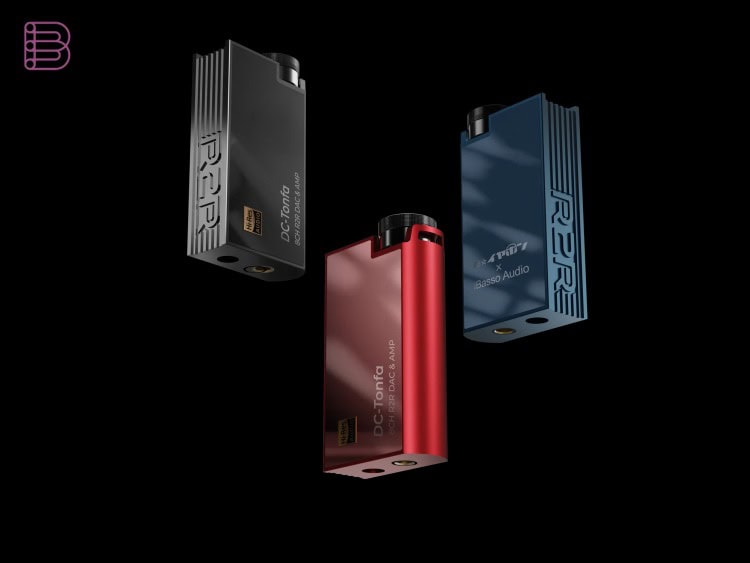
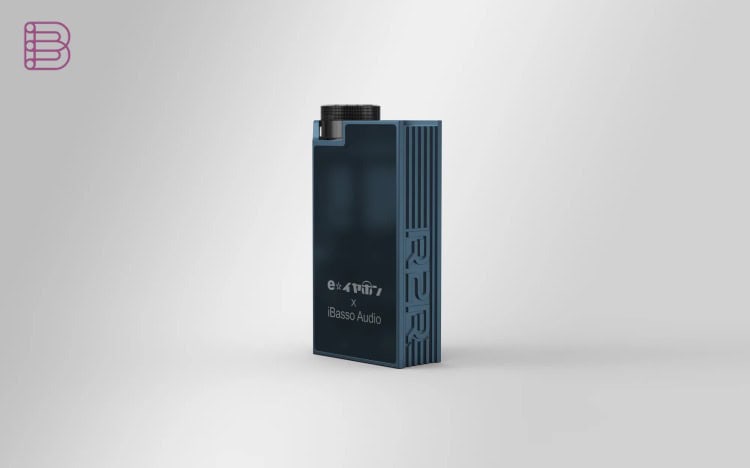
Most USB dongles rely on a single off-the-shelf DAC chip. The new iBasso DC-Tonfa takes a very different route: it squeezes an eight-channel resistor-ladder (R2R) converter into a body just 61mm long. Plug it into a phone for music on the move or into a laptop at your desk. Switch USB modes, and the same dongle becomes an external DAC and headphone amp for a Nintendo Switch 2 or PlayStation 5. iBasso developed it together with Japanese headphone retailer e☆イヤホン (e-earphone), which helped shape the design, accessories and sound tuning.
A real R2R ladder in your pocket
In an R2R DAC, a ladder of resistors turns the digital signal into an analogue voltage. How accurate that conversion is depends on how closely the resistors match their intended values, and how stable they stay as the temperature changes. The iBasso DC-Tonfa uses 312 precision metal film resistors, 60 of which form a dedicated compensation network. An FPGA running iBasso’s own algorithms corrects small variations between individual resistors in real time. The 24-bit converter is fully balanced and differential, which helps control distortion as the signal crosses zero. Two Accusilicon femtosecond oscillators handle the clock.
If you want to know more about how resistor-ladder conversion differs from the delta-sigma chips found in most dongles, read our Academy article R2R DAC vs Delta-Sigma DAC.
800mW from the balanced output
For a device this size, the iBasso DC-Tonfa is surprisingly powerful. The 4.4mm balanced output delivers up to 800mW per channel into 32 ohms, while the 3.5mm single-ended socket offers 219mW. The balanced output also has the better dynamic range: 123dB against 115dB. The amplifier stage uses two Texas Instruments dual op-amps and four BUF634A buffers, and both outputs have a high and a low gain setting. In high gain, the balanced socket reaches 5.2V RMS, enough for harder-to-drive headphones and in-ear monitors. Despite that headroom, the iBasso DC-Tonfa draws less than 100mA at 5V when playing a 48kHz track in non-oversampling mode, which matters when the dongle runs from a phone.
Filters, apps and a hidden digital output
The iBasso DC-Tonfa offers five playback options: a non-oversampling (NOS) mode that keeps the original sample rate, and four digital filters developed by iBasso. A 0.96-inch OLED display and a multifunction knob handle the basics. On Android, the iBasso UAC app lets you choose filters, gain and channel balance; on Windows and macOS, the control panel opens in a browser.
Over USB, the dongle accepts PCM up to 768kHz and native DSD512. USB Audio Class 2.0 covers iOS, Android, Windows, macOS and Linux, while USB Audio Class 1.0 is there for consoles. The iBasso DC-Tonfa has one more clever trick: switch the 3.5mm socket to S/PDIF, and it sends a digital PCM signal up to 768kHz to an external DAC in your hi-fi system.
Pricing and availability
The iBasso DC-Tonfa is available now for €329.99, £329 or $359. More information is on the iBasso website.
Key specifications
- DAC: 24-bit, eight-channel discrete R2R, fully balanced and differential
- Resistor network: 312 precision metal film resistors, 60 for compensation
- Clock and processing: dual Accusilicon femtosecond oscillators, iBasso FPGA
- Outputs: 4.4mm balanced (800mW into 32 ohms), 3.5mm single-ended (219mW into 32 ohms)
- Dynamic range: 123dB (balanced), 115dB (single-ended)
- Formats: PCM up to 768kHz, native DSD512
- Digital output: S/PDIF via the 3.5mm socket, up to 768kHz
- Compatibility: USB Audio Class 2.0 and 1.0 (PS5, Nintendo Switch 2)
- Size and weight: 61 x 34.6 x 15mm, 45g
- Price: €329.99 / £329 / $359