

Ask a headphone shopper what separates a good pair from a great one, and the conversation eventually lands on a single design choice: closed-back vs open-back headphones. It sounds like a simple binary — sealed earcups versus perforated ones — but the acoustic consequences run much deeper than sound leakage. And in 2026, that distinction is getting blurrier than ever, as manufacturers chase the spaciousness of an open design inside a sealed enclosure.
Where the Closed-Back vs Open-Back Divide Comes From
Understanding why the closed-back vs open-back headphones split exists in the first place is the key to reading spec sheets correctly.
The closed-back vs open-back split goes back to the earliest days of dynamic-driver headphones, when engineers had to decide what to do with the sound energy radiating from the back of the diaphragm. Seal it inside a solid cup, and you get isolation, stronger bass reinforcement, and no sound bleeding into the room — ideal for studio tracking, commuting, or anywhere privacy matters. Leave the back open, or perforated, and that rear-firing energy escapes freely, reducing internal reflections and pressure buildup. The result is typically a wider, more natural soundstage, at the cost of leaking audio to anyone nearby and losing bass slam.
For decades, that trade-off was treated as fixed: pick isolation and accept a smaller, more closed-in sound, or pick spaciousness and accept that everyone in the room hears your music too. Reference open-back designs from brands like Sennheiser have built entire reputations on that airy, “outside your head” presentation, precisely because leaving the rear of the driver open removes so much of the enclosed-chamber coloration that closed designs have to fight against.
The Technical Trade-Off: Damping, Pressure, and Resonance
Every closed-back vs open-back headphones comparison eventually comes down to how a manufacturer manages these variables inside the cup.
Inside a closed-back cup, the trapped air behind the driver behaves like a spring, and reflections off the inner cup walls can color the sound with resonances and standing waves unless the manufacturer adds careful internal damping.
That damping is exactly what makes closed-back design harder to get right: too little, and the sound turns boxy and congested; too much, and it turns dull and lifeless. Open-back designs sidestep most of that problem by letting the rear wave dissipate into open air, which is why they have long had a reputation for a more effortless, “outside your head” presentation. The catch is that open-back headphones offer little to no acoustic isolation, so they are a poor match for shared spaces or noisy environments.

Measured on a bench, the difference shows up clearly in frequency response consistency: open-back headphones tend to measure more smoothly from one unit to the next, since there is no sealed chamber amplifying small manufacturing variances into audible peaks and dips. Closed-back headphones require tighter tolerances and more deliberate acoustic treatment inside the cup to reach that same consistency, which is part of why premium closed designs are engineering-heavy projects rather than simply an open-back driver dropped into a sealed shell.
Closing the Gap: Closed-Back Designs That Chase an Open Sound
These hybrid approaches are reshaping what a closed-back vs open-back headphones choice actually means for everyday listening.
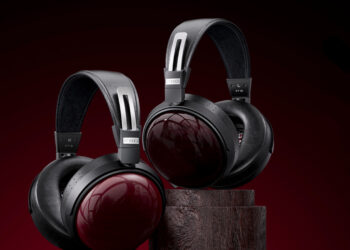
What has changed recently is how seriously manufacturers are attacking the weaknesses of closed-back design rather than accepting them as the cost of isolation. Dan Clark Audio’s AEON CORE, shown above, is a clear example: a closed-back planar magnetic headphone that the company explicitly promises will sound open and spacious despite its sealed cups, largely through careful acoustic engineering inside the earcup rather than simply venting sound to the outside. Planar magnetic drivers help here too, since their large, evenly driven diaphragm surface tends to produce lower distortion and a flatter response than many dynamic drivers, giving engineers more headroom to tune away the boxiness that plagues lesser closed designs.

Diaphragm material plays its own role in this closed-back vs open-back conversation. Final’s DX10000 CL, a closed-back flagship built around a True Diamond diaphragm, leans on an extremely rigid, low-mass membrane to reduce the kind of resonance and breakup that closed enclosures are prone to amplifying. A stiffer diaphragm moves more like a rigid piston and less like a flexible drumhead, which helps preserve detail and timing even when the rear chamber is fully sealed. It is a reminder that the closed-back vs open-back question is not just about the cup; the diaphragm material and driver geometry carry just as much weight in how “open” a closed headphone can sound.
Which Design Actually Suits You
In practice, the closed-back vs open-back headphones decision comes down to where and how you plan to listen.
For most listeners, the practical answer to closed-back vs open-back still comes down to environment rather than pure sound quality. Open-back headphones remain the reference choice for quiet, private listening rooms where soundstage and transparency matter most and nobody else is around to be disturbed. Closed-back headphones are the sensible pick for shared households, offices, studios, or anywhere isolation and privacy are non-negotiable — and, as the AEON CORE and DX10000 CL show, that no longer has to mean settling for a smaller, boxier sound.
Key specifications
- Closed-back headphones: sealed earcups, stronger isolation, historically more prone to internal resonance and a smaller soundstage
- Open-back headphones: perforated or vented earcups, minimal isolation, typically a wider and more natural soundstage
- Planar magnetic drivers: large, evenly driven diaphragm; often used to offset the acoustic drawbacks of closed enclosures
- Diaphragm rigidity (e.g. True Diamond, beryllium, or advanced polymers) directly affects resonance and detail retrieval in closed designs
- Example closed-back designs chasing an “open” sound: Dan Clark Audio AEON CORE, Final DX10000 CL
Frequently asked questions
What is the real difference between closed-back and open-back headphones?
It sounds like a simple binary — sealed earcups versus perforated ones — but the acoustic consequences run much deeper than sound leakage. Inside a closed-back cup, trapped air behind the driver behaves like a spring and reflections off the inner cup walls can color the sound with resonances unless carefully damped, while open-back designs let the rear wave dissipate into open air for a more effortless, “outside your head” presentation.
Why is closed-back design harder for manufacturers to get right?
Every closed-back design has to manage internal damping carefully: too little, and the sound turns boxy and congested; too much, and it turns dull and lifeless. Open-back designs sidestep most of that problem by letting the rear wave escape into open air, which is why they have long had a reputation for a wider, more natural soundstage.
How does a closed-back headphone like the Dan Clark Audio AEON CORE manage to sound open?
The AEON CORE is a closed-back planar magnetic headphone that the company promises will sound open and spacious despite its sealed cups, largely through careful acoustic engineering inside the earcup rather than venting sound to the outside. Its planar magnetic driver helps too, since a large, evenly driven diaphragm surface tends to produce lower distortion and a flatter response than many dynamic drivers, giving engineers more headroom to tune away the boxiness that plagues lesser closed designs.
Does the diaphragm material matter as much as the cup design, as with the Final DX10000 CL?
Yes — the Final DX10000 CL is engineered around a True Diamond diaphragm specifically to resist the resonances that sealed enclosures are prone to amplifying. A stiffer diaphragm moves more like a rigid piston and less like a flexible drumhead, which helps preserve detail and timing even when the rear chamber is fully sealed, showing that driver geometry carries as much weight as the cup itself in how “open” a closed headphone can sound.
Should I choose closed-back or open-back headphones, like the Focal Bathys?
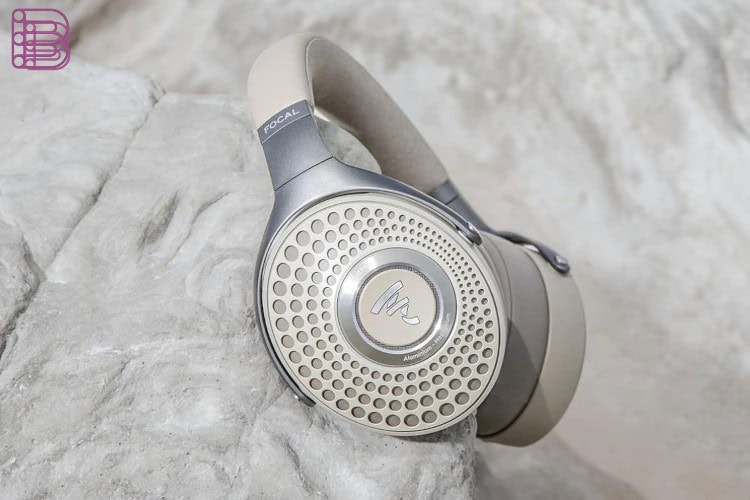
For most listeners the practical answer comes down to environment rather than pure sound quality. Open-back headphones remain the reference choice for quiet, private listening rooms where soundstage and transparency matter most, while closed-back headphones such as the Focal Bathys, with its fully sealed earcup, are the sensible pick for shared households, offices, studios, or anywhere isolation and privacy are non-negotiable.