


Few audio brands can look back on more than a century of history. In a new feature, HARMAN traces how Denon engineering has evolved from Japan’s first phonographs to today’s 8K AV receivers, and why the same focus on accuracy, dynamic range and clarity still guides the brand.
Founded in 1910
Denon’s story began in Japan in 1910. In its early years the company helped introduce the first phonograph made in Japan, and it went on to build professional recording and broadcast equipment. That background in studios and broadcasting gave Denon engineering a practical, measurement-driven character that would define the brand for decades.
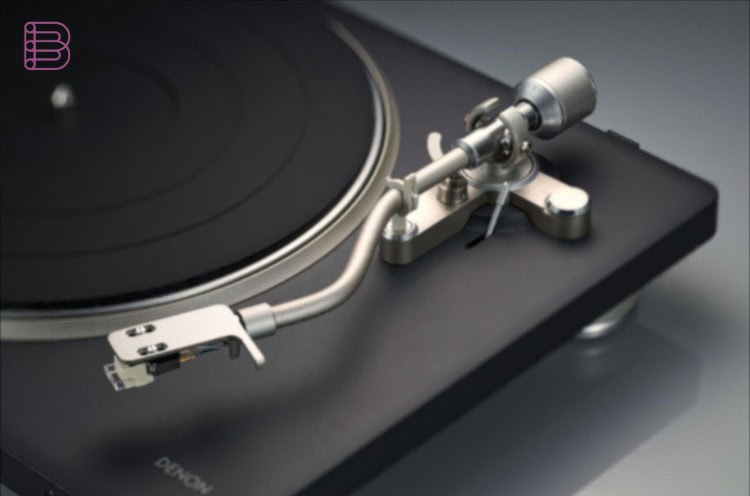
Many audiophiles know Denon from its moving-coil cartridges, most famously the DL-103, which was originally developed for broadcast use in Japan and is still in production today. It is one of the clearest examples of a professional product that found a second life in home hi-fi.
A pioneer of digital recording
In 1972 Denon developed a practical PCM digital recorder, an important early step in the history of digital audio. Years before the compact disc reached consumers, Denon was already recording music digitally, and that experience fed directly into its later work on CD players, digital filters and DACs.
This combination of analogue heritage and digital pioneering is what makes the history of Denon engineering stand out. The brand has always moved with new formats, rather than holding on to one technology.
Over the following decades, Denon engineering found its way into amplifiers, tuners, cassette decks and CD players for the home. The common thread was a background in professional equipment: products had to measure well, work reliably and sound natural over long listening sessions. That approach also explains why Denon has kept a loyal following among both music lovers and home cinema enthusiasts.
From hi-fi to home cinema and gaming
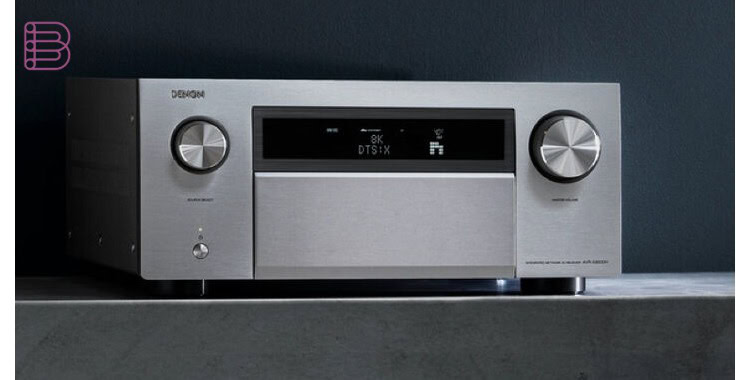
Today, Denon is part of HARMAN and is best known for its AV receivers. HARMAN highlights the introduction of an 8K AV receiver as a recent milestone, along with gaming features such as Variable Refresh Rate (VRR) and Auto Low Latency Mode (ALLM). Those features let a receiver sit between a modern games console and a TV without adding lag or tearing.
According to HARMAN, the principles behind Denon engineering remain the same whether you are listening to music, watching a film or playing a game: accurate reproduction, wide dynamic range and clear dialogue. In home cinema that means intelligible voices in busy action scenes, and in music it means detail without harshness.

A good example of where Denon engineering stands today is the Denon AVR-S980H 7.2-channel AV receiver, which we covered earlier this year.
Where to read more
The full feature is available on the HARMAN newsroom, published on November 2, 2026.
Key milestones
- 1910: Denon founded in Japan
- Early years: helped introduce Japan’s first phonograph
- 1972: practical PCM digital recorder
- Recent: 8K AV receivers with VRR and ALLM gaming support
- Today: part of HARMAN’s audio brands