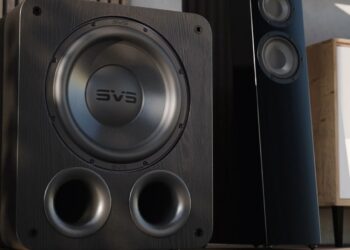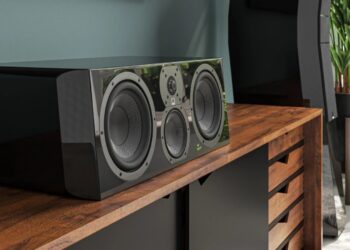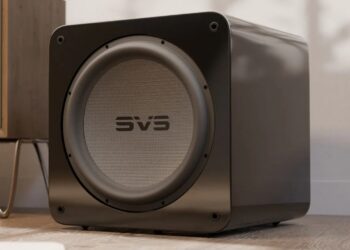


I have been a fan of SVS for a long time. Their subwoofers in particular have impressed me again and again, and the value they offer for the money is hard to argue with. They punch well above their price, and the company has a clear identity. So when the chance came to review the SVS Ultra Evolution Bookshelf, I did not need much convincing. This is the first time I have listened to SVS bookshelf speakers, and I was curious to hear how that subwoofer pedigree translates into a pair of stand-mounted monitors.
My expectations were fairly high. I knew the brand, I liked the design, and I had read enough about the Ultra Evolution series to look forward to it. We have received a complete Ultra Evolution system from SVS, and we will go through the products one by one. This review covers the bookshelf speakers, and more reviews on other products in the series will follow soon, including a subwoofer. I would like to thank SVS for providing the system through their local distributor Audioscape.
The brand
SVS was founded in 1998 in Youngstown, Ohio, where the company is still based. The story goes that it started as a small team of audio enthusiasts, working out of a garage, who were frustrated that good subwoofers were either overpriced or underwhelming. The name originally refers to the early SV Subwoofers, and it was subwoofers that made the brand’s reputation: powerful, well-engineered bass at honest prices, sold directly to the customer. Under president and CEO Gary Yacoubian, the company has since grown into a full manufacturer of loudspeakers, subwoofers and accessories for both home cinema and two-channel listening.
The philosophy is consistent: high-performance products that are within reach of more people. SVS speakers are designed in the USA and manufactured in China, which is part of how the company keeps its prices where they are. Every product comes with a five-year unconditional warranty.
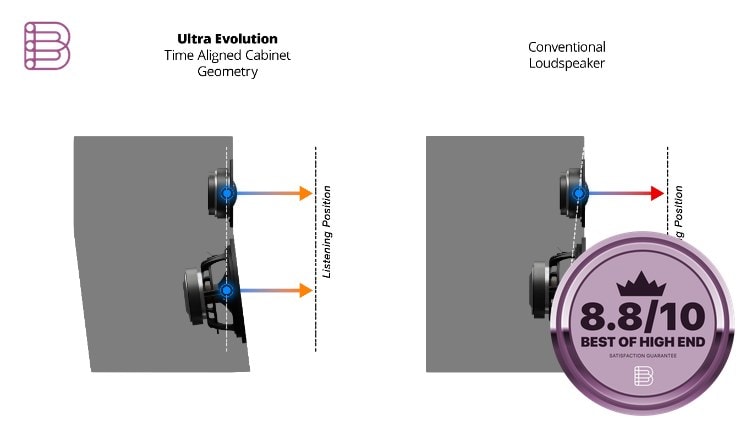
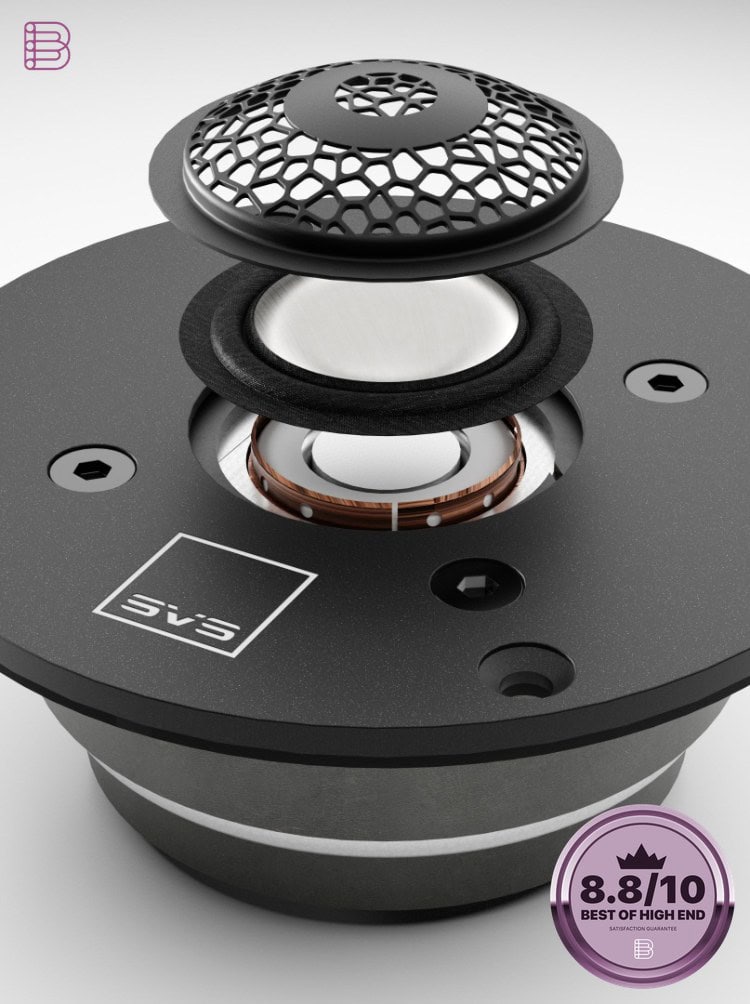
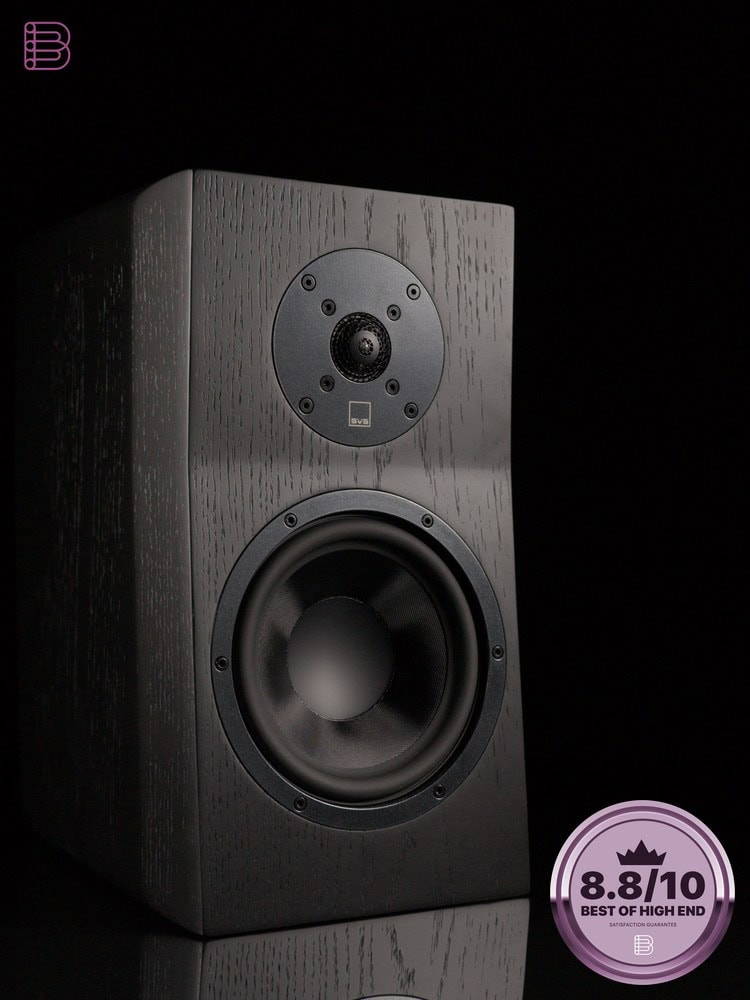
The Ultra Evolution series, introduced at CES 2024, is the company’s new flagship speaker range and replaces the earlier Ultra series. It consists of three floorstanding models (Pinnacle, Titan and Tower), two bookshelf models (the Bookshelf and the smaller Nano), a three-way centre speaker and a height-effects speaker. According to SVS, it combines the company’s best work in driver design, materials and cabinet architecture. One of the defining features is the Acoustically Centered Time Alignment cabinet: a sculpted, swept-back baffle that aligns the arrival of sound from the different drivers at the listener’s ears, and that gives the range its distinctive look.
Product presentation
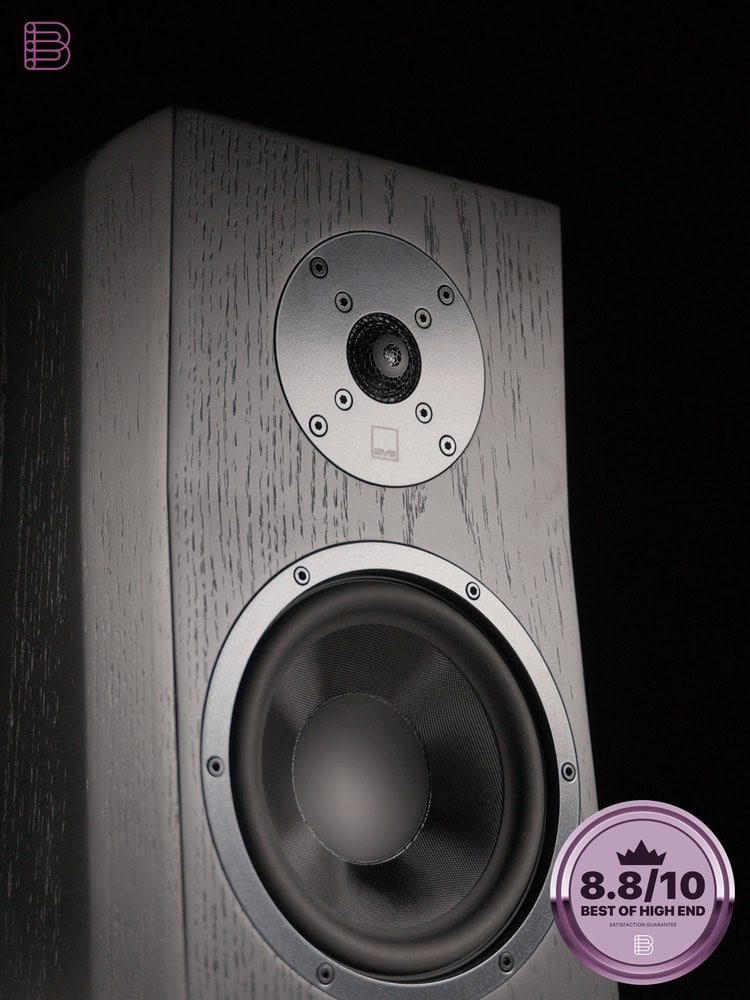
What exactly are we reviewing? The SVS Ultra Evolution Bookshelf, a passive, two-way, rear-ported stand-mount loudspeaker. It is the larger of the two bookshelf models in the Ultra Evolution range.
Where does it sit in the market? It occupies the upper end of the bookshelf segment for its price, in a part of the market where established names such as KEF, Bowers & Wilkins and Focal compete. It is the flagship-grade bookshelf of its own range, and it is also designed to work as a front or surround speaker in a home cinema system alongside the other Ultra Evolution models.
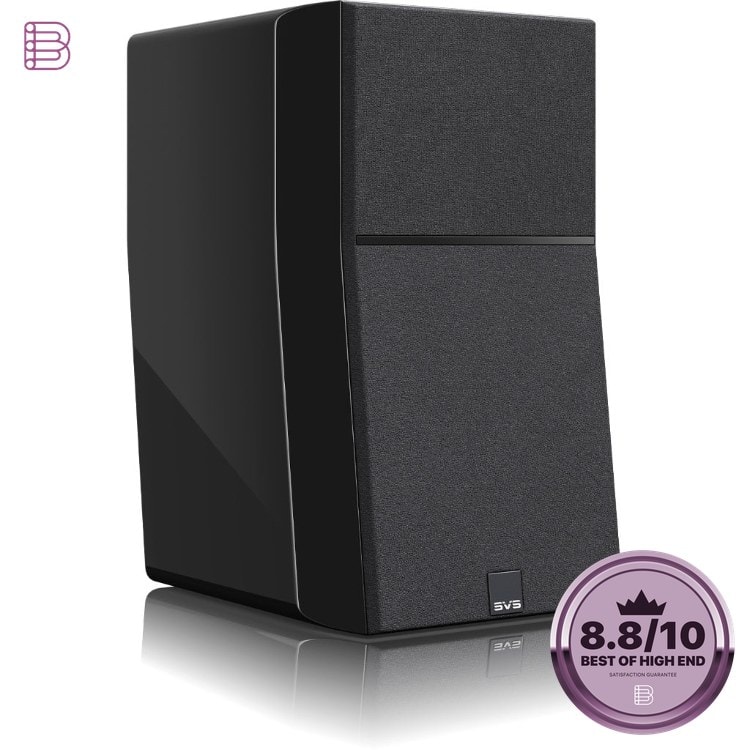
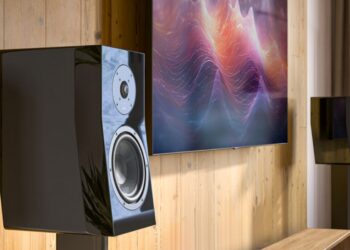
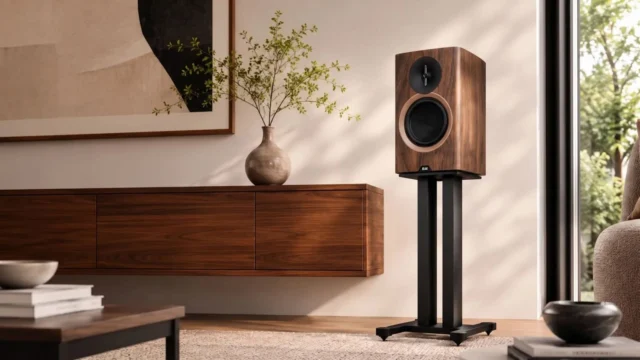
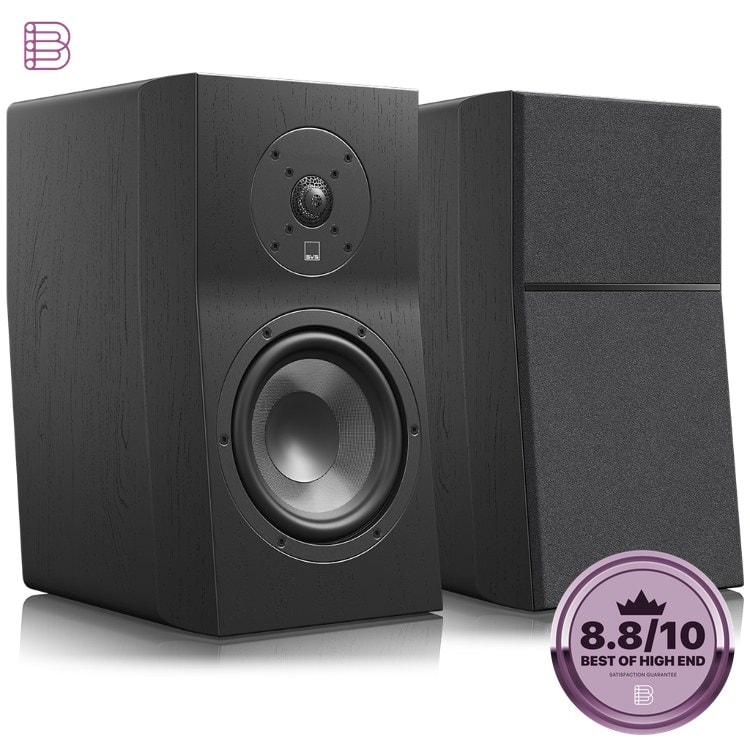
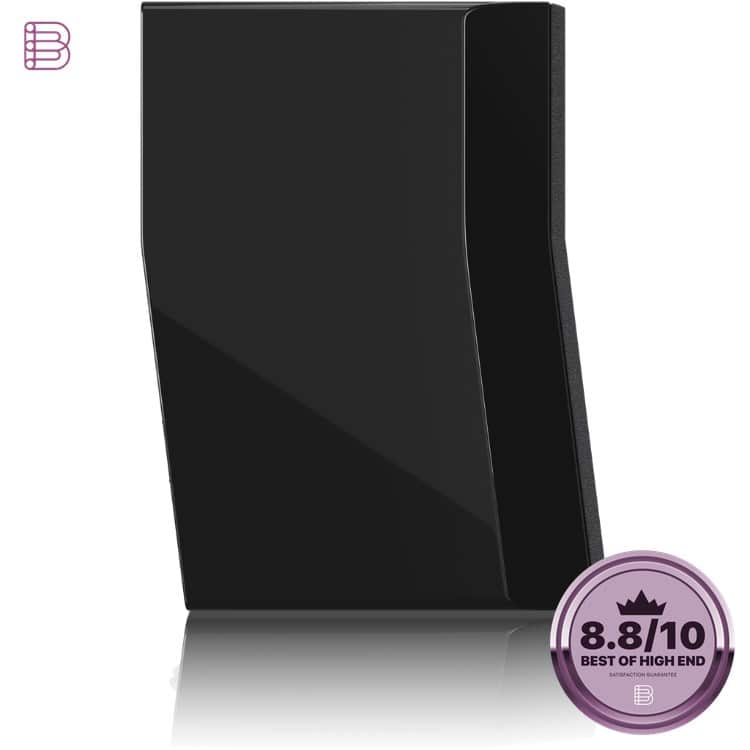
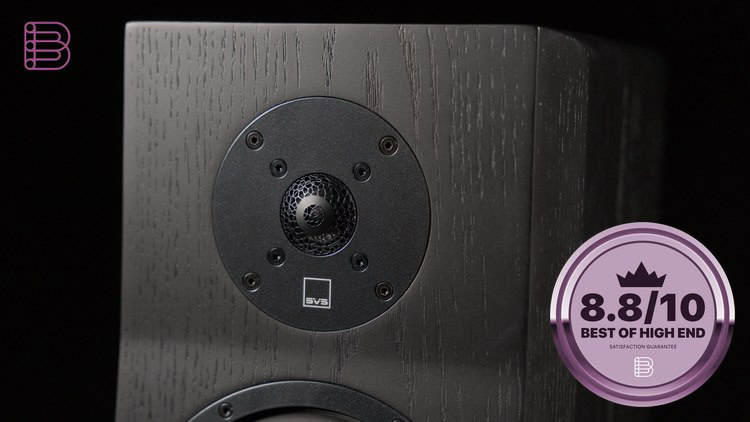
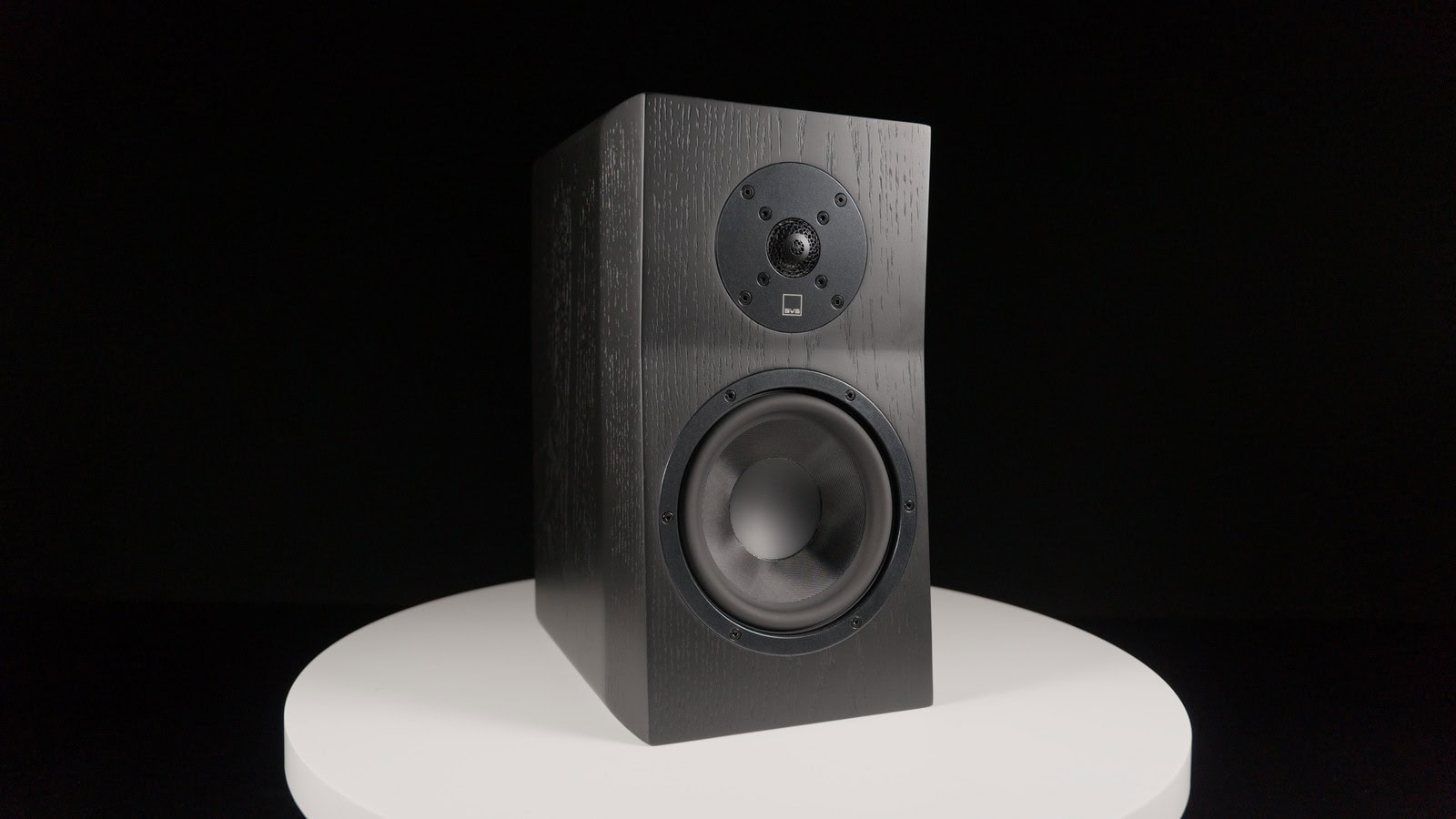
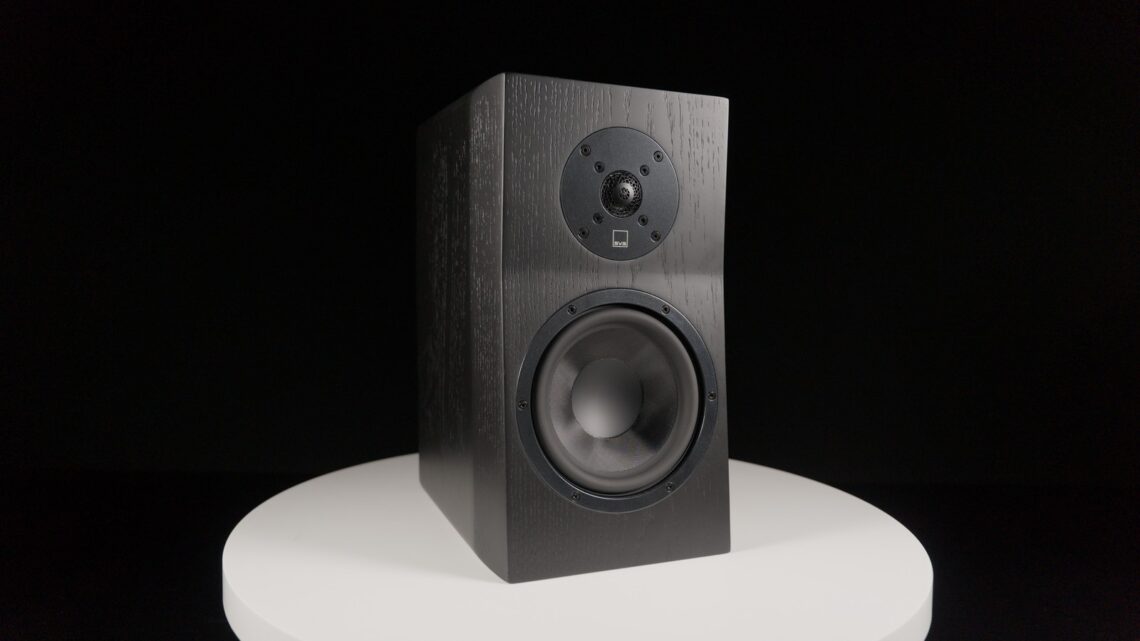
General characteristics. The Ultra Evolution Bookshelf is a good-looking speaker. The swept-back baffle gives it a modern, sculpted appearance, and the finish is excellent. I have the Black Oak wood veneer, and for me it is the most attractive of the three finishes. It has a natural, slightly handmade feel that I find more appealing than a high-gloss lacquer. The piano gloss versions (black and white) I have only seen in photographs, and they look good too, but I am simply more of a fan of the natural look of the oak. Black speakers fit almost anywhere, as long as the room is not too dark, but I should be honest that these are not small. They are substantial, quite heavy bookshelf speakers, and they have real presence in a room.
In terms of usability, the Ultra Evolution Bookshelf is a passive speaker. It is not plug-and-play: you need an amplifier, and a streamer if you want to play music from a streaming service. That is entirely normal for a speaker of this type, but it is worth pointing out, because it is a different world from the all-in-one products we have looked at recently.
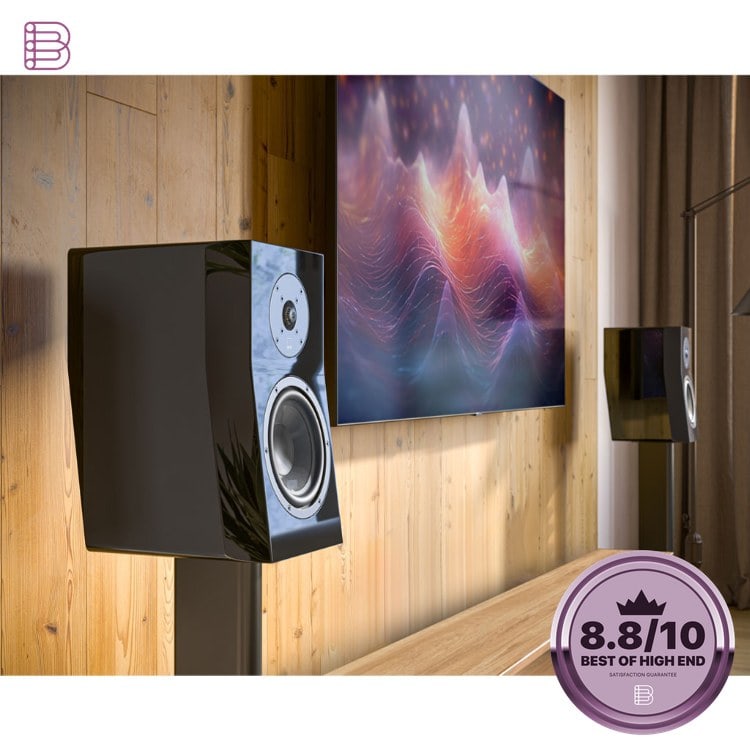
What is it used for? It is a versatile bookshelf speaker for two-channel music, home theatre or a mixed system. During this review I used them in my edit studio, next to my usual setup. Normally my active Kii SEVEN speakers sit here, so I swapped them out for the SVS pair, which made it easy to compare the two. The Kii speakers are active and a lot more plug-and-play, so I had to rig everything up to connect the SVS speakers.
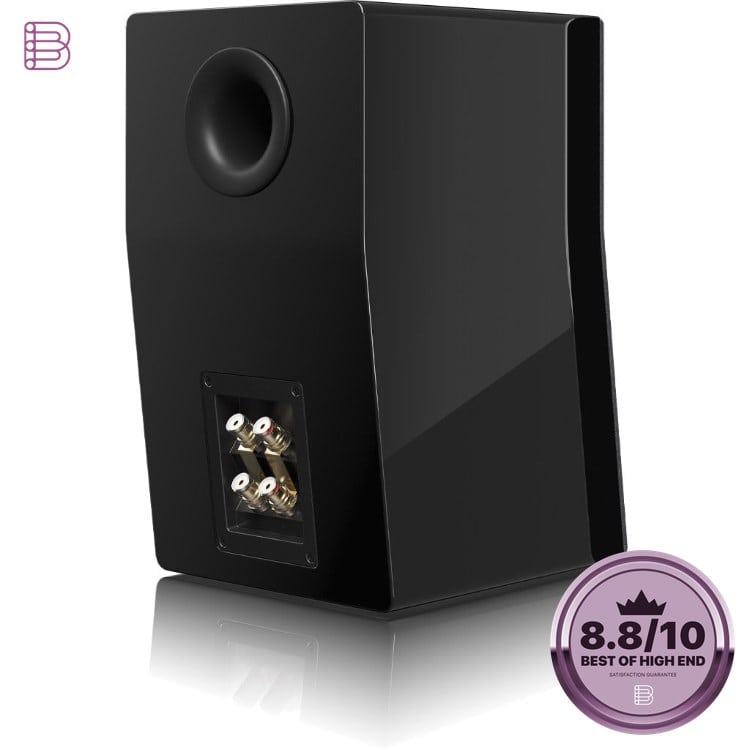
Connections and control. On the back of each speaker are two sets of binding posts, four terminals in total, which means the speakers support bi-wiring and bi-amping. For me they were simply connected with a normal speaker cable. As passive speakers, they have no controls of their own: control depends entirely on the amplifier or streamer you connect. In my case, that was a Lyngdorf TDAI-2210 integrated amplifier, which I used with AirPlay for streaming.
First impression. What struck me first was how good voices sounded and how clearly the small details came through. The low end turned out to be convincing as well, for a speaker of this size: there is real bass here, reaching down to about 40 Hz, as specified. More on that below.
Expectations. Because I already know the SVS subwoofers well, I am aware of the company’s strength in low-frequency performance. I have heard several of their subwoofers, and they can make your whole body vibrate when you connect them. A review of a subwoofer from this same Ultra Evolution series is coming soon, so I was especially interested in what these speakers would do on their own.
General impression
For the price, these are really good speakers. They feel solid, and you notice immediately that this is quality equipment: they are sturdy, redundantly built and fairly heavy. They look modern, with a finish that feels warm and a little bit crafted. They are also quite bombastic bookshelf speakers, so they will not suit every living room. If you like a bold, substantial presence and you have the space, that is great. If you want something discreet, they are on the big side.
The listening experience
The listening experience was good overall. The standout quality is detail: you really hear the small things. Voices in particular are rendered with great clarity and natural character, and for a bookshelf speaker that is a real strength.
Bass deserves a few words, because it is where these speakers surprised me. With the amplifier configured so that it treats the bookshelves as a stand-alone stereo pair, and with RoomPerfect applied, there is real, audible low-end content. We tested how low they go: the speakers still vibrate at around 35 Hz, but the sound itself fades away at roughly 40 Hz, which matches the manufacturer’s specification. You clearly hear the layers from the deep bass through the mids to the highs. Compared with my Kii SEVEN there could be a little more at the very bottom, but these are bookshelf speakers, and it would be unfair to expect the weight of a subwoofer. Within what a bookshelf speaker can do, I was positively surprised, especially for the price.
One practical tip: if you use these speakers without a subwoofer or the other speakers from the series, check your amplifier’s configuration carefully. If the amplifier is set up as if a subwoofer is present, it can remove almost all of the low-frequency output from the speakers.
I also think there is a broader logic to the Ultra Evolution series: every product has a strong side. The subwoofers are exceptional for the low end, and these bookshelf speakers are exceptional for the mids and the highs. Used together, which is what we will eventually do, the signal is divided in the way it should be, and I expect the whole system to be excellent.
Track by track
Massive Attack, “Angel” and “Teardrop”. These two tracks are my low-end test: deep bass guitar, mixed with higher sounds. There is not much vocal in them, so you do not listen to them for the singing. They came out very well. That may be because the low notes sit just above 60 Hz, which these speakers reproduce very audibly, but whatever the reason, you clearly hear the layers from the deep bass through the mids to the highs.
Patrick Page, “Hey, Little Songbird”. I chose this track to capture a deep voice. You can hear every detail in his voice, including the rasp in his throat. This is exactly where these speakers are at their best.
Hans Zimmer, “Flight”. For the instrumental lovers, I listened to “Flight” from Man of Steel. An impressive orchestra came out of the speakers. Compared with my Kii SEVEN, the individual instruments could be pulled apart a little more, meaning that on the Kii you can pick out the individual instruments more easily. Still, it was very good here, and you can still pick the instruments out without trouble.
Samuel Kim, “The Force Theme x Main Theme”. A blend of the Force theme and the main theme of Star Wars. I love the music of Samuel Kim, because it carries so much power. When a speaker can transmit that, I almost get goosebumps, and that is when I consider it a success.
Johnny Cash, “I Won’t Back Down”. Not quite the same as Patrick Page, because Johnny Cash’s voice is a bit higher, but still very low. As with Patrick Page, the speakers let his voice come through very well.
The Handsome Family, “Far From Any Road”. This track shows the small sounds very well. There is a lot of stereo information, so every little click or tick comes through. It is a good test of how many layers a speaker can show.
Travis Scott, “Rhyno”. I wanted to try something completely different with this one. It is a new track, and I thought it produced a very unique bass, mixed with the mids. There was a moment where I thought: oh my, I have not heard this before.
Conclusion
I think the SVS Ultra Evolution Bookshelf is a very good speaker for the money. It looks great, particularly in Black Oak, it feels built to last, and it brings out detail with great clarity. Voices are the highlight, and the high-resolution sense of the small details is what I will remember most. The price-to-quality ratio is excellent, and I would say that these speakers are worth more than what you pay for them.
On bass, the Ultra Evolution Bookshelf does what a good bookshelf speaker can do: with the amplifier correctly configured and RoomPerfect applied, there is real low-end content, reaching down to about 40 Hz. If you want the weight of a subwoofer, you will of course want to add one, and the SVS range is made for exactly that. That is what we intend to do in our upcoming reviews, and together with the SVS subwoofers I expect them to sound superb.
There are a few other practical points. These are fairly large bookshelf speakers. If you love a bold, substantial presence, they are perfect, but I would have liked a slightly smaller version that could sit on a desk more easily. They are also passive, so they need an amplifier and a streamer. It is not a huge investment, but it is a real difference from a plug-and-play product, and I personally prefer the plug-and-play mentality. I do not want to stand in front of a cabinet full of equipment, I just want to listen to music.
In terms of external factors, I used ordinary speaker cables (Divine Professional OFC) and the Lyngdorf TDAI-2210. Room correction made a clear difference in my room, and if you run these speakers without a subwoofer or the other speakers from the series, make sure your amplifier is not configured as if a subwoofer were present. If you are a music lover who wants detail, solid build and an attractive finish for a fair price, and you are happy to build a system around it, I would recommend them without hesitation. I rate them as a very good product, and I look forward to hearing them in the context of the complete Ultra Evolution system.
Price
The SVS Ultra Evolution Bookshelf costs about €1,499 per pair in Europe, based on the launch price. In the United States it is listed at $1,199.98 per pair. Prices vary by country and dealer, so please check with your local SVS dealer. A five-year unconditional warranty is included.
Technical specifications
The following specifications are provided by the manufacturer.
- Type: two-way, rear-ported, passive stand-mount loudspeaker
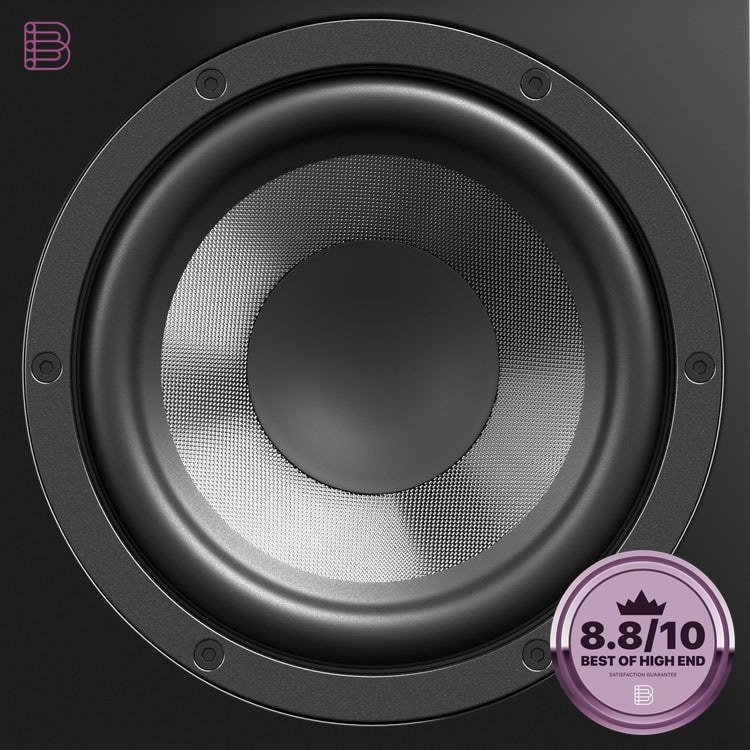
- Drivers: one 6.5-inch composite glass-fibre cone woofer, one 1-inch diamond-coated aluminium dome tweeter
- Crossover frequency: 1.8 kHz
- Frequency response (±3 dB): 40 Hz to 40 kHz
- Sensitivity: 87 dB (2.83 V / 1 m)
- Nominal impedance: 6 ohms
- Maximum power handling: 150 W per channel
- Connections: two sets of binding posts (bi-wiring / bi-amping possible)
- Dimensions (H x W x D): 378 x 220 x 285.7 mm
- Weight: 8.6 kg per speaker
- Finishes: Piano Gloss White, Piano Gloss Black, Black Oak wood veneer
- Included: magnetic grille and feet
- Warranty: five years
Software list
All tracks were streamed via YouTube Music, over AirPlay to the Lyngdorf TDAI-2210.
- Massive Attack, “Angel” and “Teardrop” (trip-hop / electronic, from the album Mezzanine, 1998): used for deep bass guitar mixed with higher sounds
- Patrick Page, “Hey, Little Songbird” (musical theatre / Hadestown): used for a deep, sharp voice and the quality of vocal reproduction
- Hans Zimmer, “Flight” (film score / orchestral, from Man of Steel): used for an impressive orchestra
- Samuel Kim, “The Force Theme x Main Theme” (orchestral film music / Star Wars): used for power and emotion
- Johnny Cash, “I Won’t Back Down” (country / folk, from American III: Solitary Man, 2000): used for a deep, sharp voice and the quality of vocal reproduction
- The Handsome Family, “Far From Any Road” (alt-country / folk): used to show the layers in the music and small sounds
- Travis Scott, “Rhyno” (hip-hop): used for a unique bass mixed with the mids
Review setup
The speakers were tested in my edit studio, placed next to my usual setup in place of my Kii SEVEN speakers. The room is square and heavily treated with bass-absorbing panels on the walls, ceiling, floor and in the corners, because without them the whole space would start to vibrate. The sources and electronics were as follows:
- Source: YouTube Music, streamed over AirPlay
- Amplifier / streamer: Lyngdorf TDAI-2210 integrated amplifier, with RoomPerfect room correction applied and the speakers configured as a stand-alone stereo pair without a subwoofer
- Speaker cables: Divine Professional OFC
- Speakers: SVS Ultra Evolution Bookshelf, Black Oak finish
SVS Ultra Evolution Bookshelf
1.499 EUR per pairI think the SVS Ultra Evolution Bookshelf is a very good speaker for the money. It looks great, particularly in Black Oak, it feels built to last, and it brings out detail with great clarity. Voices are the highlight, and the high-resolution sense of the small details is what I will remember most. The price-to-quality ratio is excellent, and I would say that these speakers are worth more than what you pay for them. On bass, the Ultra Evolution Bookshelf does what a good bookshelf speaker can do: with the amplifier correctly configured and RoomPerfect applied, there is real low-end content, reaching down to about 40 Hz. If you want the weight of a subwoofer, you will of course want to add one, and the SVS range is made for exactly that. That is what we intend to do in our upcoming reviews, and together with the SVS subwoofers I expect them to sound superb. There are a few other practical points. These are fairly large bookshelf speakers. If you love a bold, substantial presence, they are perfect, but I would have liked a slightly smaller version that could sit on a desk more easily. They are also passive, so they need an amplifier and a streamer. It is not a huge investment, but it is a real difference from a plug-and-play product, and I personally prefer the plug-and-play mentality. I do not want to stand in front of a cabinet full of equipment, I just want to listen to music.
Pros
- Very detailed reproduction, with small sounds coming through clearly
- Natural, expressive voices, including deep and raspy ones
- Solid, heavy build quality that feels like good equipment
- Attractive modern design and a warm Black Oak finish
- Excellent price-to-quality ratio
- Designed to combine with the SVS subwoofers and the rest of the Ultra Evolution series
Cons
- As with any bookshelf speaker, the low end fades out around 40 Hz; a subwoofer adds the last bit of depth
- Passive: you need an amplifier and a streamer, and the amplifier's bass settings need to be right
- Quite large for a bookshelf speaker, and not ideal for a desk


What we loved
- +Very detailed reproduction, with small sounds coming through clearly
- +Natural, expressive voices, including deep and raspy ones
- +Solid, heavy build quality that feels like good equipment
- +Attractive modern design and a warm Black Oak finish
- +Excellent price-to-quality ratio
- +Designed to combine with the SVS subwoofers and the rest of the Ultra Evolution series
Worth considering
- –As with any bookshelf speaker, the low end fades out around 40 Hz; a subwoofer adds the last bit of depth
- –Passive: you need an amplifier and a streamer, and the amplifier's bass settings need to be right
- –Quite large for a bookshelf speaker, and not ideal for a desk
Compare more
Other loudspeakers we've tested
 9.1/10LoudspeakersBowers & Wilkins 803 D5 reviewPerformance93Features85Build100Value80Iconic designExceptional build qualityPrefers powerful amplificationRead the review
 9.4/10LoudspeakersHarbeth SHL5plus XD2 reviewPerformance95Features92Build95Value94Superb, lifelike midrange and vocalsConvincing instrumental timbreNo matching stands from HarbethRead the review
 8.8/10LoudspeakersBowers & Wilkins 707 S3 Prestige Edition reviewPerformance85Features90Build95Value90Beautiful, richer rosewood finishSlightly lighter, more open sound than the standard 707 S3Bass depth is still limited by the compact dimensionsRead the review