

Ask three different manufacturers what their idea of multiroom audio looks like, and the answer will involve three different apps, three different protocols, and often three different ecosystems that refuse to talk to each other. For anyone assembling a whole-home system in 2026, understanding multiroom streaming standards is still the single biggest source of confusion: a soundbar built around AirPlay 2 will not automatically group with a streaming amplifier that lives on BluOS, and a Chromecast-enabled speaker in the kitchen may or may not sync cleanly with a Roon-based system in the living room. Knowing which multiroom streaming standards actually matter, what each one does well, and which products commit to which protocol is the first step toward a system that behaves the way it is supposed to.
From Sonos’ Walled Garden to Open(er) Protocols
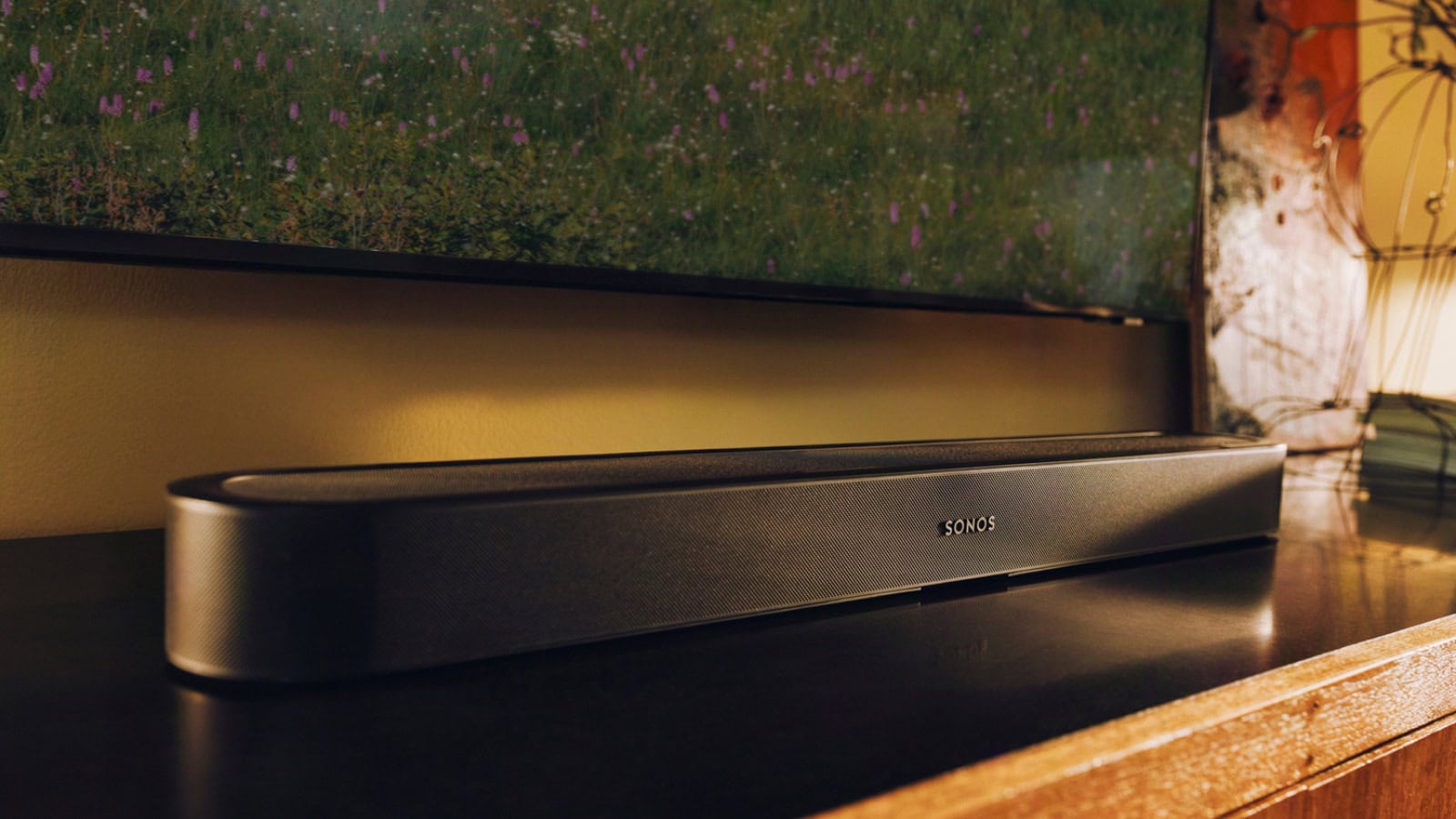
Sonos effectively invented consumer multiroom audio in the mid-2000s with a closed, proprietary mesh network that proved there was real demand for synchronized playback across rooms — but it also locked buyers into a single ecosystem. Apple answered with AirTunes, which evolved into AirPlay 2 in 2018 and finally added true multi-speaker grouping across brands that license the protocol. Google took a similar approach with Chromecast built-in, letting any supporting app cast directly to grouped speakers without a dedicated hub. High-end audio brands, wary of ceding control of the listening experience to a tech giant, pushed in a different direction: BluOS (developed by Lenbrook, the parent of Bluesound and NAD) and Roon both positioned themselves as protocol-agnostic, audiophile-grade alternatives built for listeners who refuse to compromise on resolution or metadata.
What Separates These Multiroom Streaming Standards in Practice
The differences between multiroom streaming standards are not cosmetic — they show up directly in sound quality and reliability. AirPlay 2 caps wireless transmission at 16-bit/44.1kHz, which means a hi-res file gets downsampled to CD quality regardless of the source. Chromecast built-in can carry up to 24-bit/96kHz, but only when the sending app supports it, making the ceiling inconsistent from one service to the next. Spotify Connect is limited to whatever bitrate Spotify itself streams at, independent of the receiving hardware. BluOS, by contrast, supports synchronized 24-bit/192kHz playback across a whole house and natively decodes MQA, while Roon — run from a dedicated Roon Core — pushes lossless and even high-resolution PCM or DSD across the network with tight, sample-accurate synchronization, at the cost of needing always-on core hardware. Latency matters just as much as resolution: a few milliseconds of drift is inaudible for background music but becomes a real problem for a soundbar that needs to stay in lip-sync with a TV. Nearly all of these multiroom streaming standards lean on Wi-Fi by default, and a wired Ethernet backbone remains the most reliable way to keep any of them stable once a house has more than two or three rooms involved.
Real Products, Real Protocol Choices
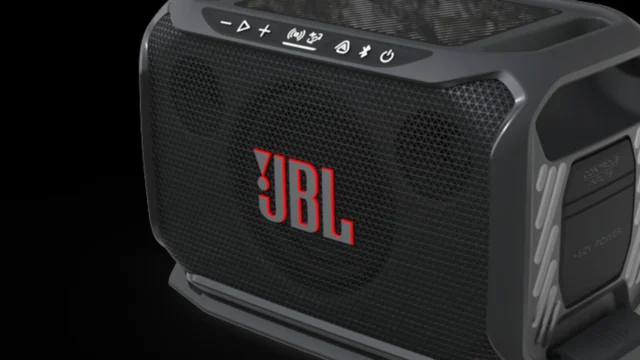
These trade-offs are not theoretical — they show up directly in current product line-ups. The JBL Cove leans on Chromecast built-in and AirPlay 2 side by side, aiming squarely at buyers who want easy phone-based casting without committing to one ecosystem.

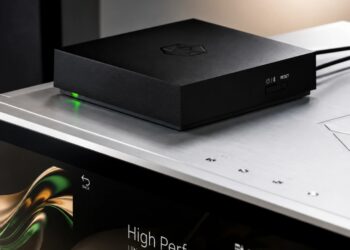
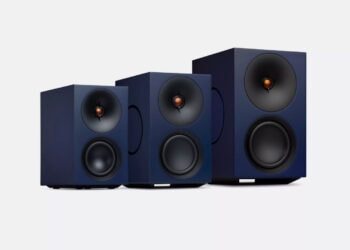
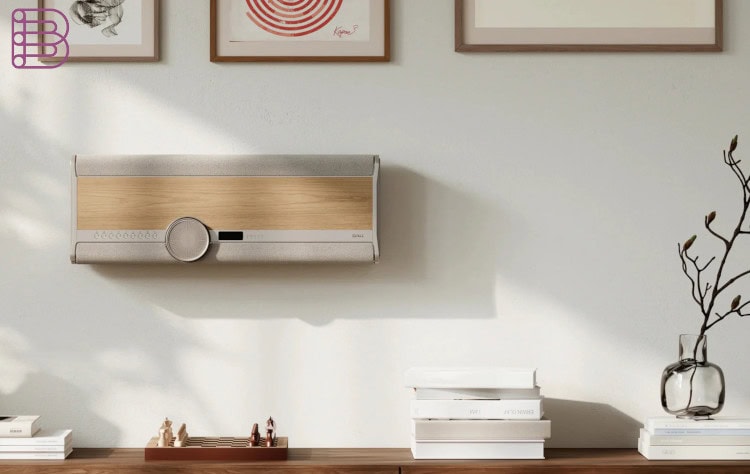
DALI’s VEGA active speaker system takes a different route, building its wireless multiroom layer around a dedicated hub rather than relying solely on phone-based casting, which keeps playback tightly synchronized even in larger homes.
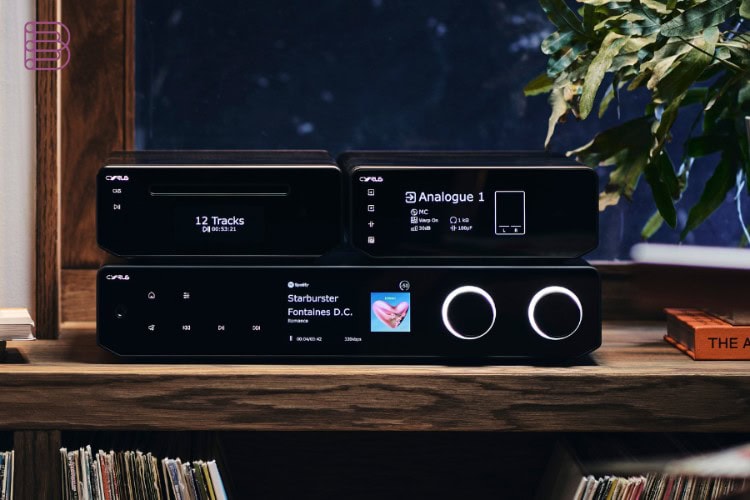
Sonos’ own Beam Ultra soundbar still runs primarily on the company’s proprietary mesh protocol for grouping with other Sonos speakers, but adds AirPlay 2 as a secondary path for guests or non-Sonos sources — a pragmatic compromise between a closed ecosystem and real-world flexibility. On the two-channel side, the Cyrus 80 AMP builds its network streaming around BluOS, giving it access to one of the most resolution-friendly multiroom streaming standards on the market, provided every other zone in the house is also BluOS-compatible.
Building a System Without Protocol Regret
Before buying into any of these multiroom streaming standards, it is worth checking exactly what a product supports out of the box versus what arrives later via firmware — manufacturers frequently add AirPlay 2 or Chromecast support after launch, but rarely add BluOS or Roon compatibility retroactively, since those require deeper hardware integration. Buyers who mainly want casual background audio across a few rooms can comfortably mix brands as long as there is one shared open standard, typically AirPlay 2 or Chromecast built-in. Anyone building a serious two-channel or home-cinema system, however, should treat the choice of multiroom streaming standards as a foundational decision rather than an afterthought: committing early to BluOS or Roon, and buying components that support it natively, avoids the frustration of a beautifully specified amplifier that simply will not group with the rest of the house.