


Long before Marantz became a byword for Japanese-tuned high fidelity, it was one man’s answer to a simple frustration: nothing on the market could reproduce music the way he heard it in his head. Saul Bernard Marantz was not a trained engineer. He was an electronics hobbyist, an amateur classical guitarist, and a close friend of Andrés Segovia, working from the basement of his home in Queens, New York. That combination of ear and obsession is what made Saul Marantz one of the founding visionaries of high-end audio.
A Kitchen-Table Beginning
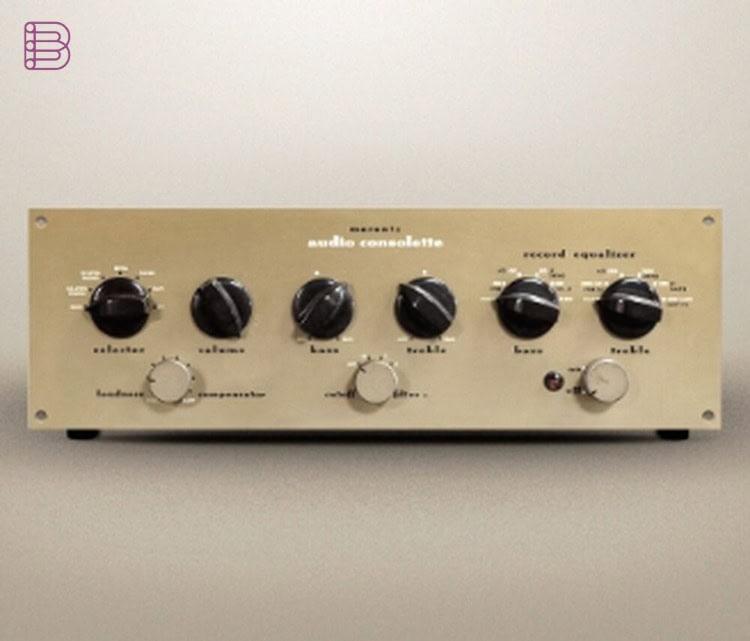
In the early 1950s, Saul Marantz set out to build the preamplifier he could not buy: one with the low noise floor, the wide bandwidth and the sheer musicality he demanded from his own listening room. The result was the Audio Consolette, a Hi-Fi preamplifier assembled by hand, unit by unit, on his own kitchen table. Word of mouth among fellow audiophiles did the rest. Demand for the Consolette so far exceeded what one man could build alone that in 1953 Saul Marantz turned his passion project into a business, founding the Marantz Company from that same New York home.
He did not do it alone for long. Saul Marantz’s 14-year partnership with chief engineer Sidney Smith turned a single hand-built product into a lineage of increasingly ambitious designs, each one chasing the same goal: to bring the listener closer to the music.
Three Products That Defined High Fidelity
Three Marantz components from that era still anchor the brand’s reputation today.
- Model 1 (1953) — the first production version of Saul Marantz’s preamplifier concept, and reportedly the first preamplifier to include RIAA phono equalization, the standard that made consistent vinyl playback possible across brands.
- Model 7 (1958) — a refinement of that original design that became one of the most copied and revered preamplifiers in audio history, still sought after by collectors more than six decades later.
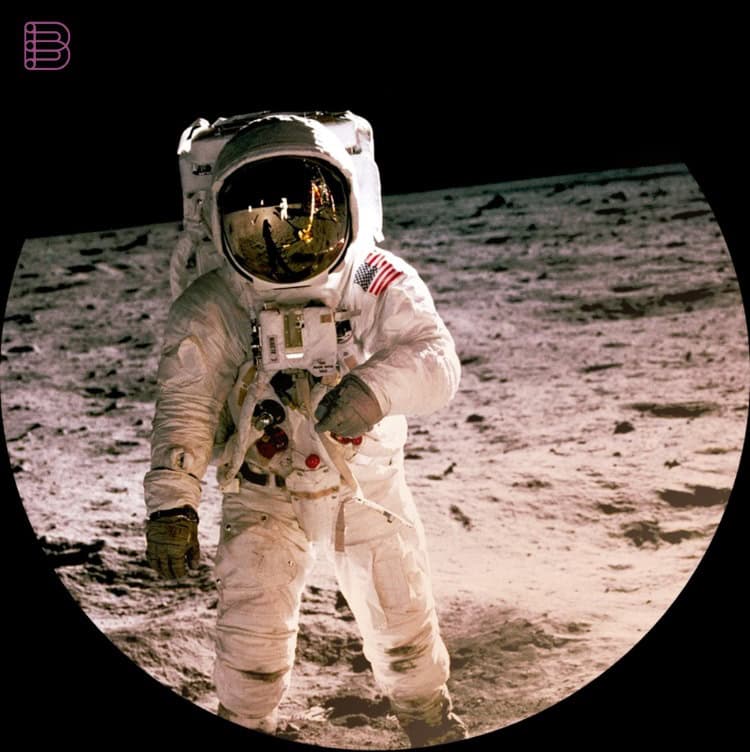
- Model 9 (1960) — a monobloc power amplifier whose stability and control were so far ahead of their time that NASA customised the Model 9’s architecture for use in the Apollo Space Program, deploying its circuitry in ground tracking stations to deliver dependable current in remote corners of the world. Marantz’s role in the journey to the moon was small, but it was a direct consequence of the same obsessive engineering that started on a kitchen table.
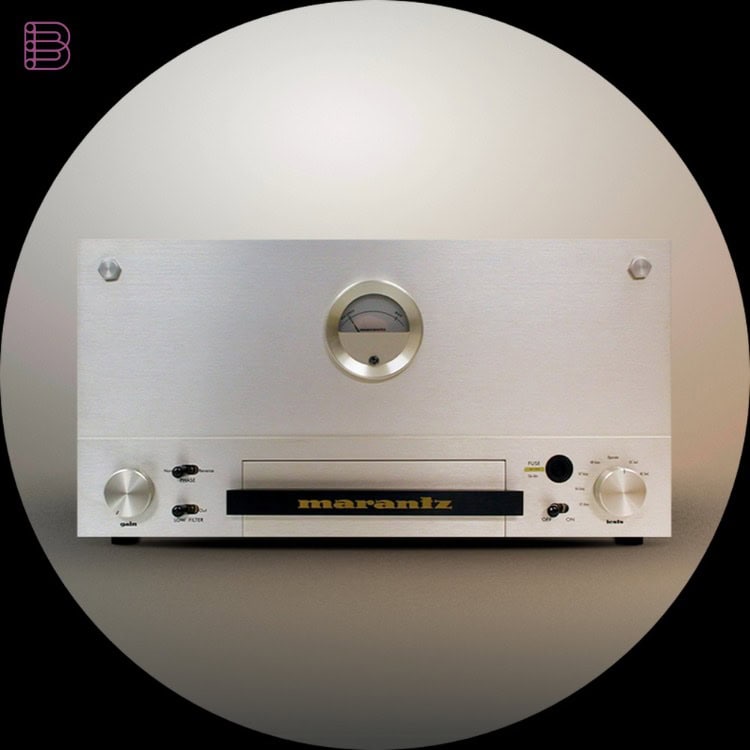
A fourth product, the Model 10B tuner of 1964, pushed FM reception to a level of precision few manufacturers dared attempt — and, in doing so, pushed development costs to a level that reshaped the company’s future.
A Legacy Beyond the Sale
The commercial success of the Model 10B came at a steep price. Its extraordinarily high development costs strained the small company, and in 1964 Saul Marantz sold the Marantz Company to Superscope. He stepped away from day-to-day operations not long after, but the philosophy he had built into every hand-assembled unit did not leave with him. Through ownership changes that took the brand from Superscope to Philips, to D&M Holdings, and today to Harman under Samsung, the Marantz name has kept faith with Saul Marantz’s founding premise — carried forward by later Marantz figures such as Ken Ishiwata, the tuning legend who became the brand’s public face decades after Saul Marantz’s own departure.
Legacy
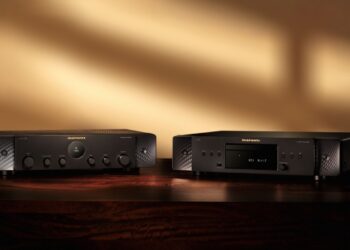
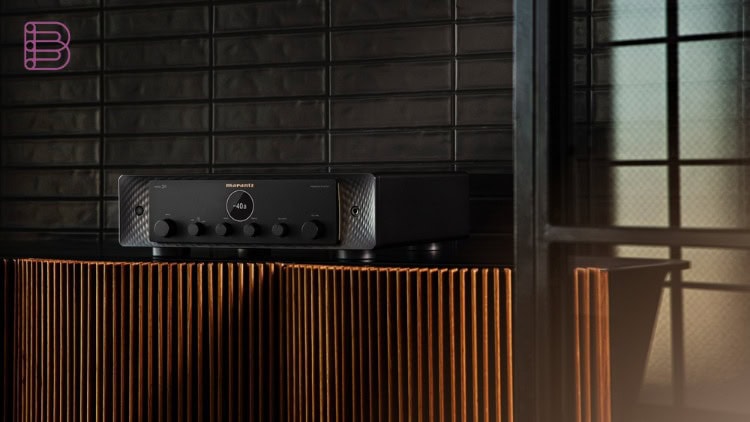
Saul Marantz put that premise in his own words, in a line the company still publishes today: “For us, the realistic reproduction of sound is the essential premise.” Everything Marantz has built since — from the HDAM circuitry in the modern MODEL 30 amplifier to the company’s continued obsession with musicality over spec-sheet bragging rights — traces back to a self-taught engineer who simply refused to accept that recorded music had to sound like a compromise.
Frequently Asked Questions