

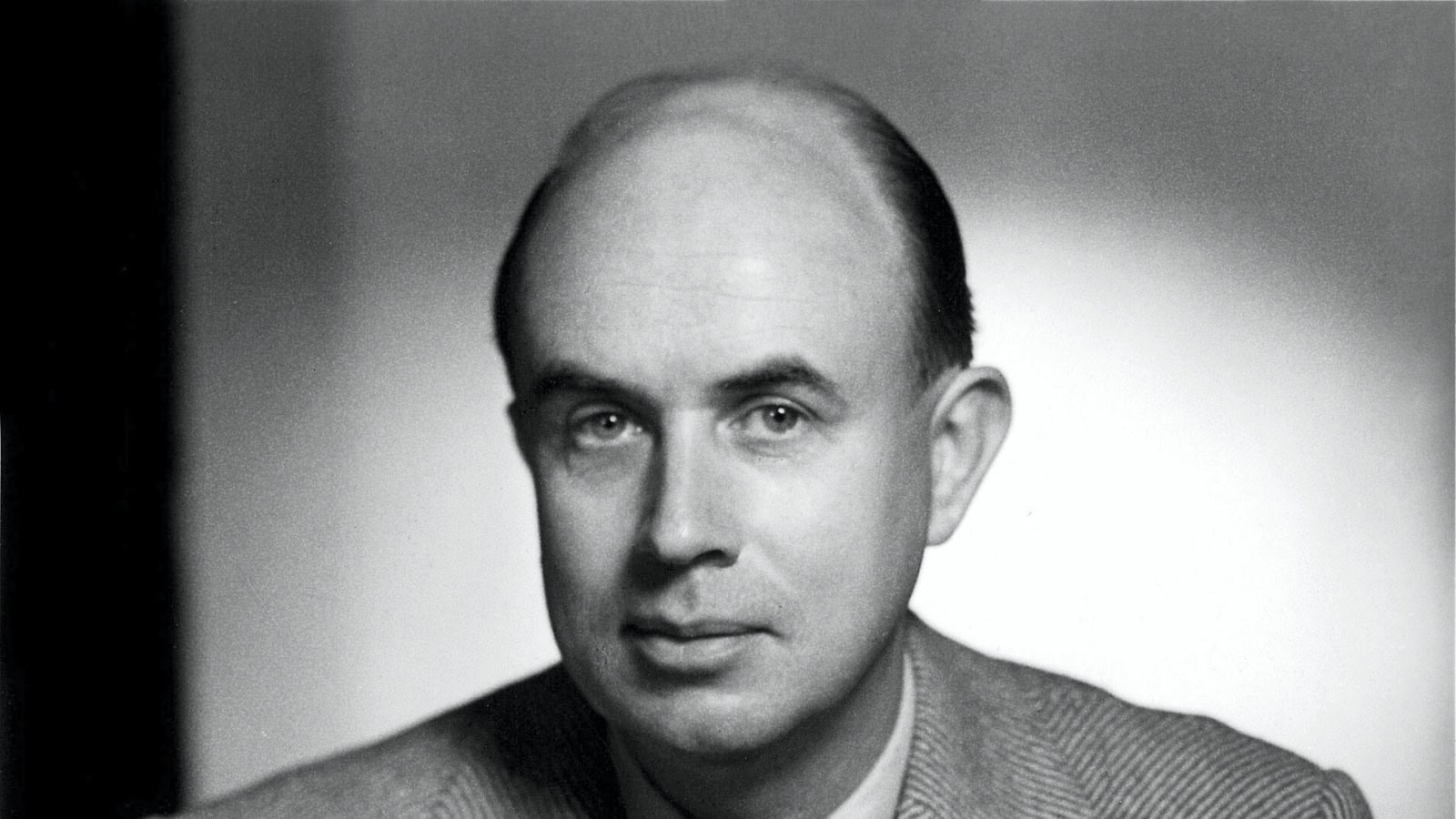
When Prof. Dr. Fritz Sennheiser hung out his shingle in a farmhouse outside Hanover in the summer of 1945, he was not trying to build an audio empire. He was a physicist with a set of measuring instruments and a contract with Siemens. Eight decades later, the company he founded still bears his name, still belongs to his family, and still produces some of the most trusted Sennheiser microphones and headphones in the world. Fritz Sennheiser never courted the spotlight the way some of his contemporaries did — but few individual engineers have shaped the sound of the twentieth century as quietly, or as thoroughly, as he did.
From a Farmhouse Lab to Lab W
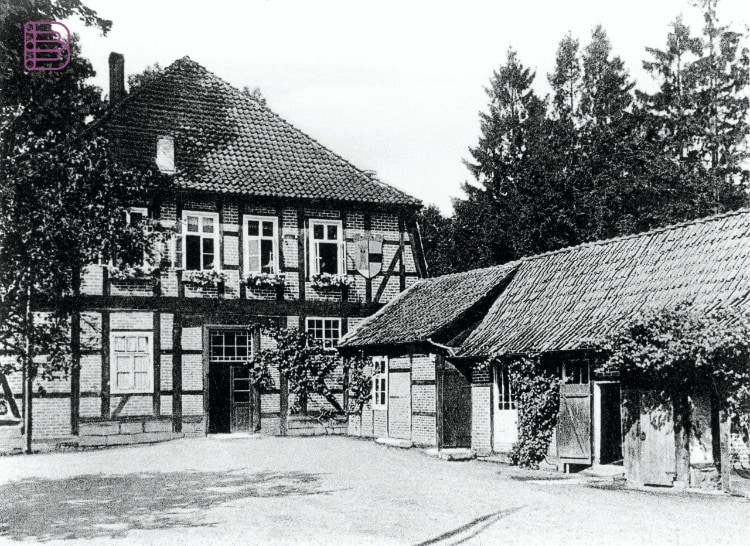
In June 1945, Fritz Sennheiser founded the Laboratorium Wennebostel — Lab W — in a farmhouse near Hanover that still stands on the company’s premises today. The young lab’s first job was mundane: rebuilding a microphone design for Siemens, which reached the market in 1946 as the MD 1. It was not glamorous work, but it gave Fritz Sennheiser and his small team the foundation to start designing microphones of their own.
That happened almost immediately. In 1947, the company’s first original design, the MD 2, expanded the young firm’s catalogue beyond contract work for the first time. The company was renamed Sennheiser electronic in 1958, and by the early 1960s it had moved into condenser-microphone research, laying the groundwork for the recording and broadcast tools that would define its reputation. What began as a handful of engineers in a rebuilt farmhouse had, within fifteen years, become a serious force in professional audio.
The Microphones That Defined an Industry
Fritz Sennheiser’s engineering philosophy was pragmatic: build instruments that professionals could rely on, and keep refining them rather than chasing novelty. That approach produced a run of microphones that remain studio and stage staples generations later.
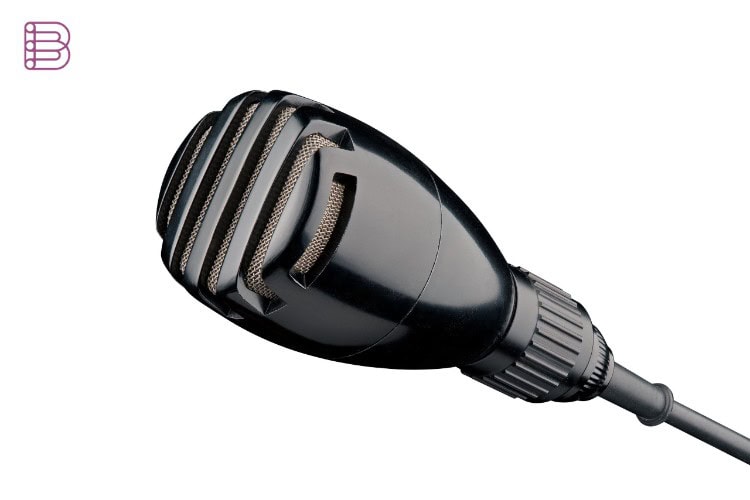
- MD 2 (1947) — the company’s first in-house microphone design, the product that turned a contract workshop into a manufacturer.
- MD 421 (1960) — a dynamic microphone still in production today, a rare feat in an industry that usually retires its classics.
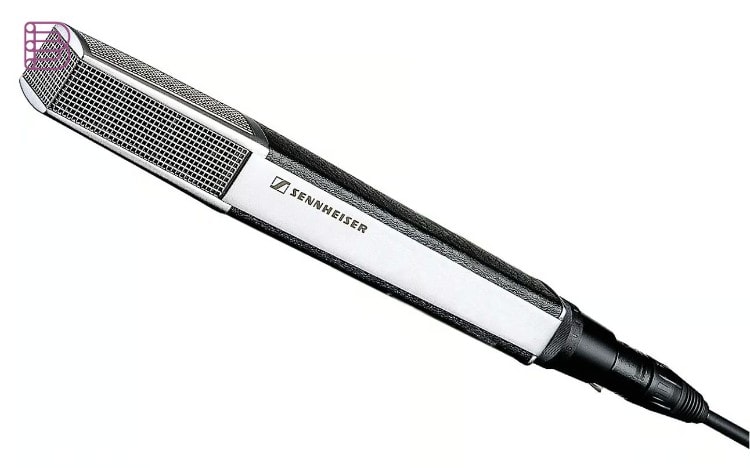
- MD 441 (1971) — introduced a decade later, it went on to become one of the most recognisable microphone silhouettes in broadcast and studio history.
Sennheiser also pushed into territory few German manufacturers had explored: in 1957, Lab W introduced Microport, an early wireless microphone system developed with NDR and Telefunken for television use — a preview of the wireless technology that would become central to the company’s professional audio business decades later.
The HD 414 and the Birth of Open Headphones
If one product explains why Fritz Sennheiser’s name still means something to music lovers rather than just broadcast engineers, it is the HD 414. Launched in 1968, it was the world’s first open-back headphone — a design that let air, and sound, move through the earcups rather than sealing the listener off from the room. It was lighter, more comfortable, and more natural-sounding than the sealed designs of the era, and it went on to become the best-selling full-size headphone of all time. Sennheiser still stocks replacement cables and the model’s iconic yellow ear pads today, a small but telling sign of how long its influence has lasted.
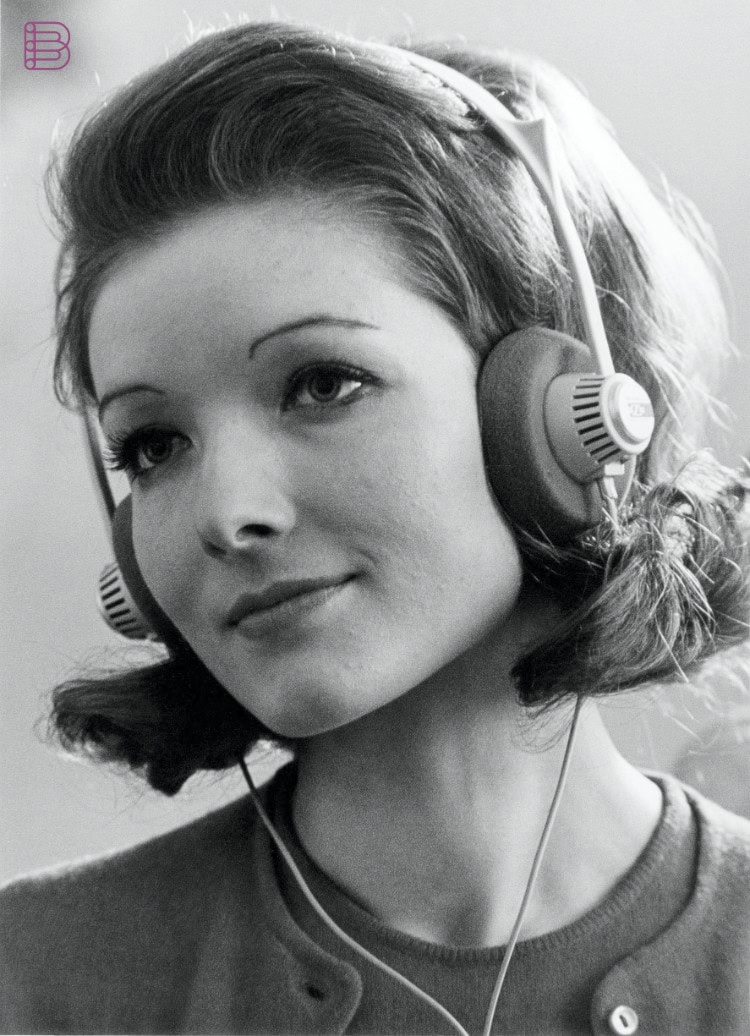
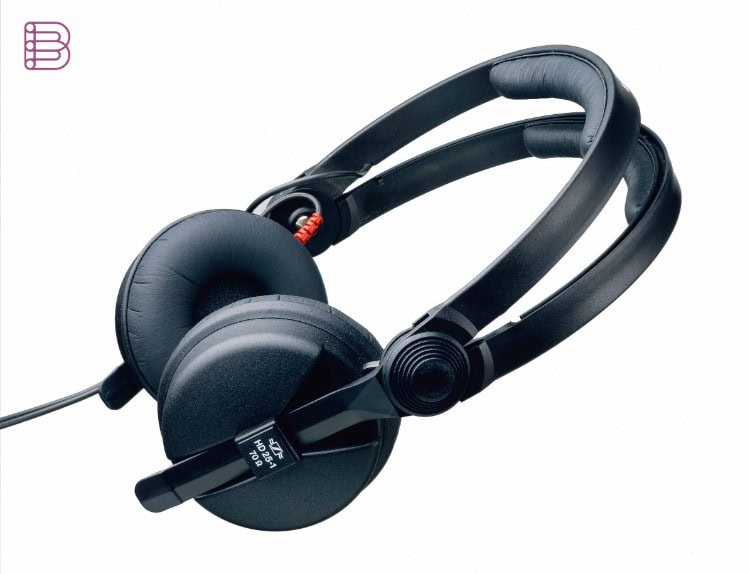
The HD 414 also set the template for everything that followed under Fritz Sennheiser’s son and successor: open, natural-sounding headphones aimed as much at critical listening as at professional monitoring — a lineage that runs in a straight line to the HD 25 of 1988 and the reference-grade designs the company builds today.
Legacy
In 1982, at the age of 70, Fritz Sennheiser handed the management of the company to his son, Prof. Dr. Jörg Sennheiser — the beginning of an internationalisation drive that would eventually put Sennheiser subsidiaries in 21 countries. Today, the company remains in family hands: Jörg’s sons, Daniel and Dr. Andreas Sennheiser, have led it as co-CEOs since 2013, making it one of the few audio manufacturers of its era still run by the founder’s own descendants.
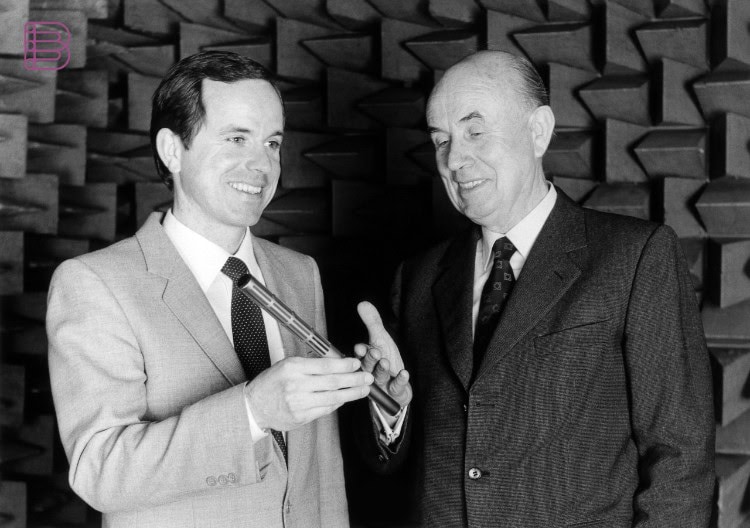
Fritz Sennheiser died in 2010, but the values he built the company on outlasted him. In a 2005 interview recorded for the NAMM Oral History Program, he offered a rare, characteristically understated summary of what mattered most to him: “Family is number one and this is how it should always be.” It is a fitting epitaph for a man who turned a rebuilt farmhouse into a global audio brand without ever losing sight of what he built it for.