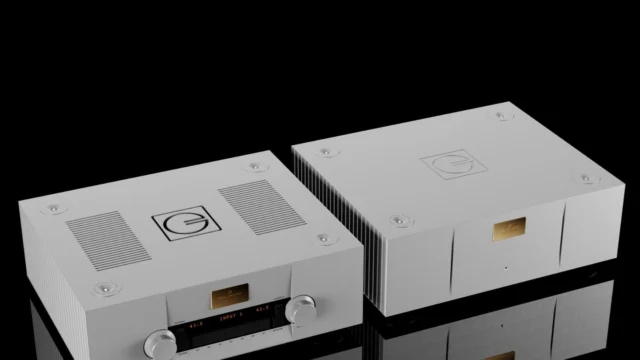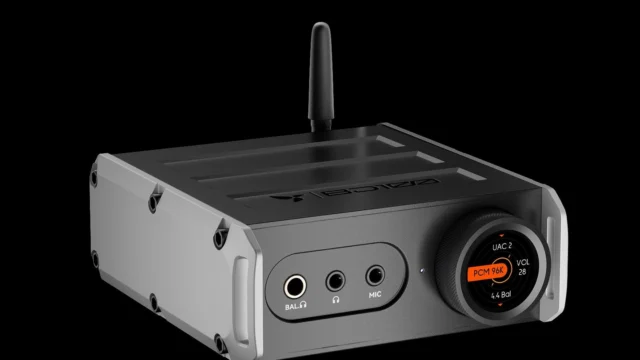


Bi-Amping and Tri-Amping explained in one sentence: bi-amping means driving the bass section of a loudspeaker with one amplifier channel and the midrange/treble section with another, instead of asking a single channel to handle the entire frequency range, while tri-amping takes the same idea one step further by giving the tweeter its own channel as well. Both techniques have been part of the high-end audio toolbox for decades, yet they remain some of the most misunderstood upgrades a listener can make – often promising more than a mismatched crossover can actually deliver. Bi-wiring and tri-wiring, covered further down, borrow the same terminals without requiring a second amplifier at all.
Bi-Amping and Tri-Amping Explained: Two Amplifier Channels, One Pair of Speakers
Most loudspeakers are passive by design: a single amplifier channel feeds a crossover network inside the cabinet, which then splits the signal between the bass, midrange and tweeter drivers. Bi-amping instead routes two separate amplifier channels to two separate sets of input terminals on the same speaker, one for the low frequencies and one for the rest of the spectrum. In passive bi-amping, the speaker’s internal crossover still does the frequency splitting, while in active bi-amping an external active crossover (or a preamplifier’s own electronic crossover) divides the signal before it ever reaches the amplifiers. Tri-amping simply repeats the principle with a third channel for the tweeter.

From Pro-Audio Stages to the High-End Living Room
Bi-amping did not start in domestic hifi. The technique has its roots in professional sound reinforcement, where PA systems needed to keep low-frequency demands from starving the amplification available to vocals and instruments on large stages. As transistor amplifiers became more affordable and multi-channel electronics more common in the 1970s and 1980s, the same logic migrated into high-end home audio: if a speaker’s bass driver can draw disproportionate current and power on demanding passages, why not give it its own amplifier entirely? Decades later, bi-amping and tri-amping terminals remain a standard feature on serious floorstanding loudspeakers, precisely because the underlying problem – uneven demand across the frequency range – never went away.
Why Splitting the Signal Can Clean Up the Sound
The appeal of Bi-Amping and Tri-Amping is mostly about load and headroom. A woofer reproducing deep bass can demand large amounts of current, especially at high volume, and if that demand is met by the same amplifier channel that is simultaneously trying to resolve delicate midrange and treble detail, the result can be audible compression or a loss of clarity exactly when the music needs it most. By assigning a dedicated channel to the bass section, each amplifier only has to work within a narrower, more predictable frequency and power window. In active bi-amping configurations this effect is even more pronounced, since the amplifiers never have to reproduce frequencies outside their assigned range in the first place, which lowers intermodulation distortion. None of this is automatic, however: the gain structure and especially the crossover point between the channels still need to be matched correctly. A cleanly engineered crossover, built into the speaker or set up externally, is what actually delivers the theoretical benefit of bi-amping – without it, two amplifiers on one speaker is just an expensive way to introduce new problems.
Bi-Wiring and Tri-Wiring: The Same Terminals, One Amplifier
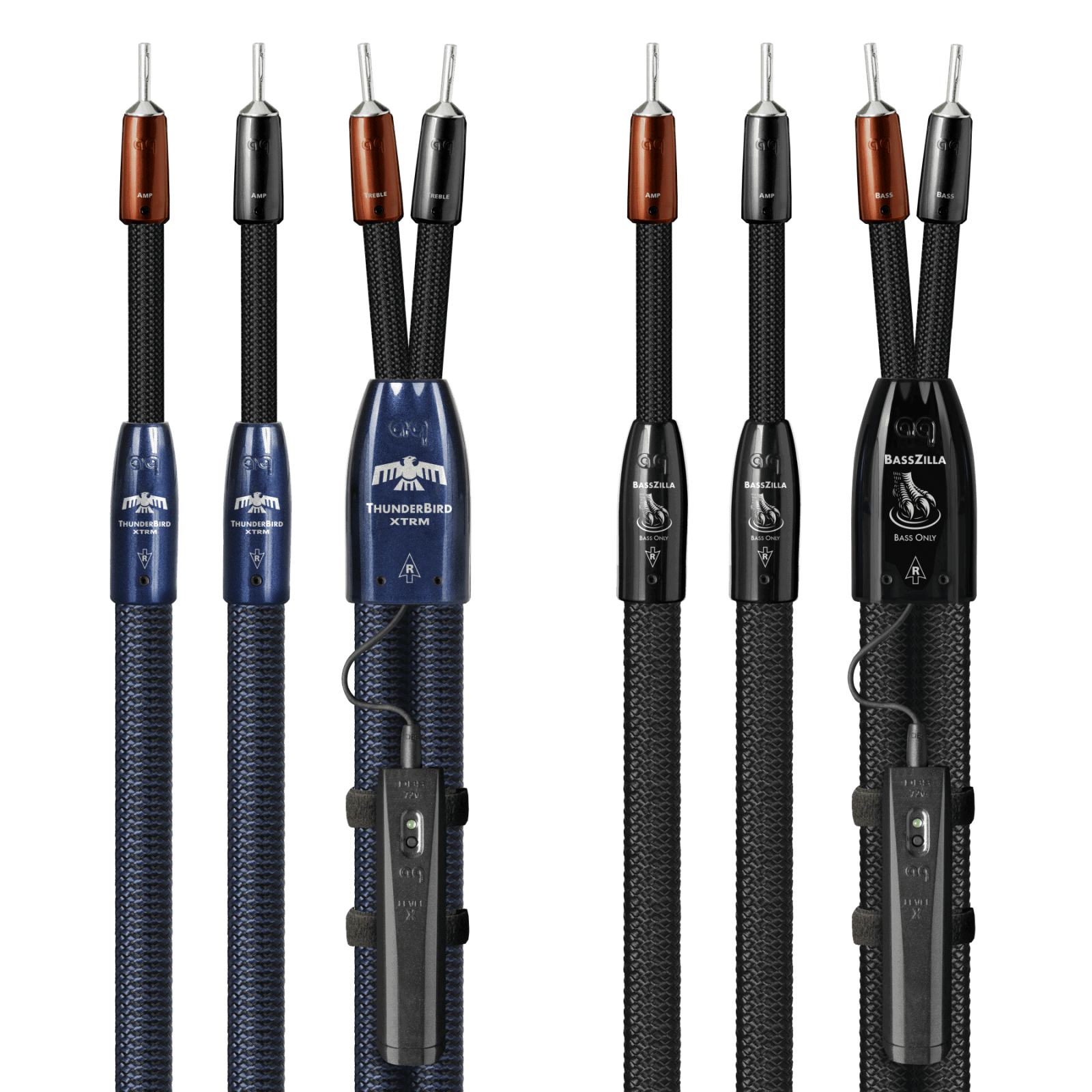
Bi-amping always needs at least two amplifier channels, and because each channel needs its own cable run to the speaker, it automatically comes with bi-wiring built in. Bi-wiring on its own does not need a second amplifier at all. It means running two separate cable pairs from a single amplifier channel’s output to a speaker’s low-frequency and high-frequency input terminals, after removing the metal jumper straps or plates that normally bridge them together. Some cable makers sell this as a dedicated single-to-bi-wire set, splitting into separate treble and bass runs partway along the cable rather than requiring two entirely separate cables from the amplifier. Tri-wiring repeats the idea with a third cable run to the tweeter terminals on speakers built to support it. One amplifier channel still drives the whole speaker in every case; only the path the current takes to get there changes.
Why Bi-Wiring From a Single Amplifier Can Still Make a Difference
On a single-wired speaker, one cable carries the signal to the jumper plate, which then splits it to both sections. The current drawn by the woofer and the current feeding the tweeter share that same length of cable before they separate. That shared path lets the back-EMF the woofer’s moving coil generates, and the small voltage drop it causes, interact however slightly with the signal still travelling to the tweeter. Bi-wiring keeps the two currents apart all the way back to the amplifier terminals, so the woofer’s electrical behaviour no longer shares a conductor with the tweeter’s. Replacing the factory jumper plates with a second cable run can also tighten the connection compared with the stamped metal bridge they replace. The effect is smaller than the load-sharing benefit bi-amping provides, and some listeners and engineers argue it is inaudible with good jumpers and short cable runs – but because it costs only a second cable and a few minutes at the terminals, bi-wiring from a single amplifier is the low-cost step many owners try before deciding whether a second amplifier is worth adding at all.
Loudspeakers and Amplifiers Built for the Job
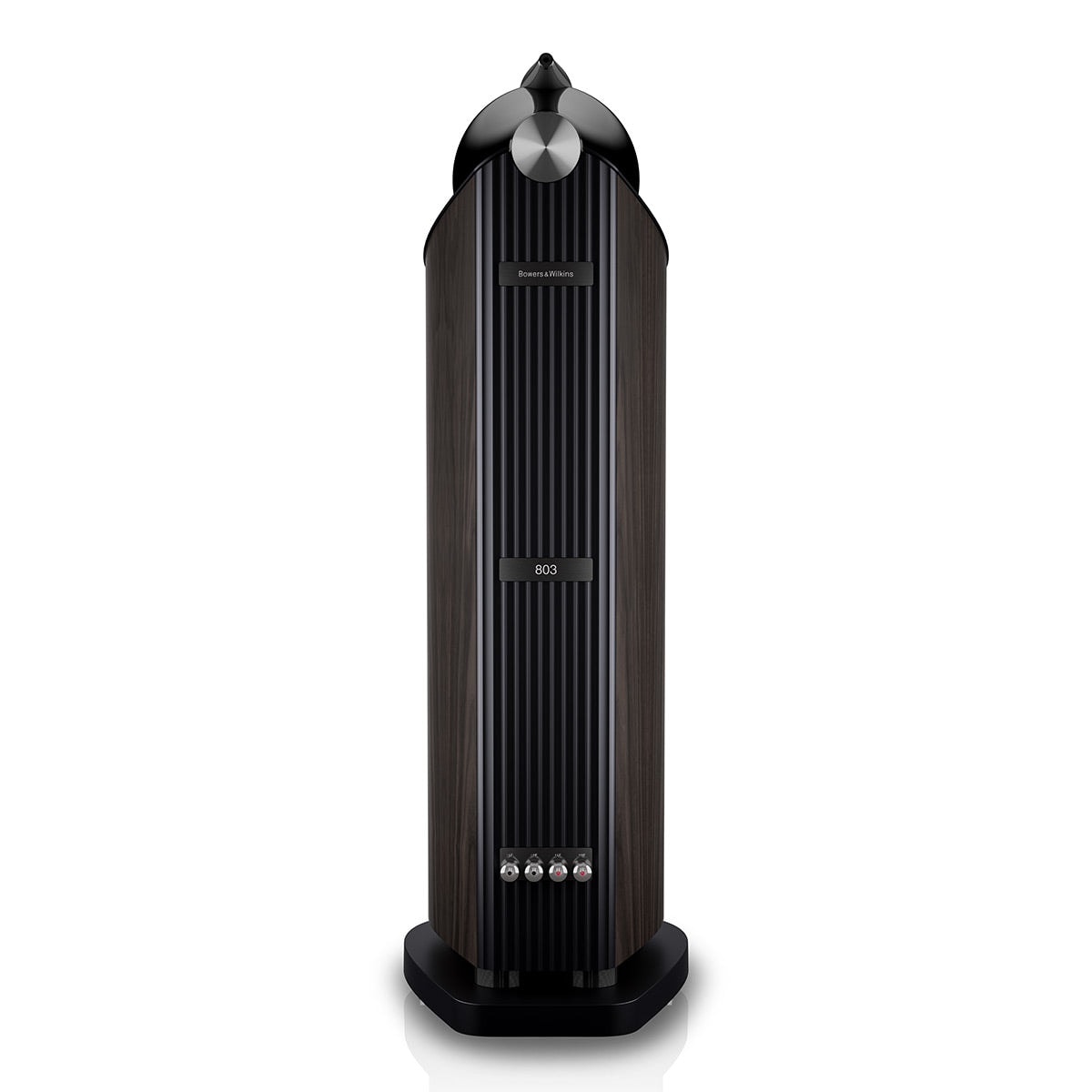
Several already-published high-end designs illustrate how seriously manufacturers take Bi-Amping and Tri-Amping. The Børresen M2 floorstanding loudspeaker explicitly offers both speaker-crossover and active-crossover bi-amping, letting the owner choose between the simplicity of the built-in passive network or the extra precision of an external active filter. One step down the Børresen range, the Børresen T5 Silver Supreme Edition is built around the same philosophy, pairing bi-amping terminals with a serial crossover design engineered to keep the bass and midrange/treble sections phase-coherent even when powered separately. On the amplification side, the TAD-M2500TX Evolution Series power amplifier is designed with a dedicated bi-amping configuration in mind, so that one amplifier can be assigned to a compatible speaker’s tweeter terminals and a second to its woofer terminals, improving separation between the two sections.

Is It Worth It?
For listeners running a demanding floorstanding speaker at realistic home-theater or music-listening levels, Bi-Amping and Tri-Amping can be a genuinely worthwhile upgrade path, particularly when the speaker was engineered for it from the start, as with the designs above. For more modest speakers or moderate listening levels, the benefit is far less certain, and spending the same budget on a single, more powerful and more linear amplifier – or on room treatment and speaker placement – will often do more for the sound. Listeners who are not ready to commit to a second amplifier can try bi-wiring the same single amp across separate cable runs first; it costs little and gives a sense of whether separating the current paths makes an audible difference in their own room before a bigger investment. Before investing in bi-amping or tri-amping, it is worth confirming that both amplifier channels are well matched in gain and sonic character, and that the crossover point is set correctly for the specific drivers involved. Do that, and splitting the signal can deliver exactly the cleaner, more dynamic sound its name promises; skip it, and the extra amplifier is just extra cost.
Background: Bi-amping and tri-amping on Wikipedia.
Key Takeaways
Bi-Amping and Tri-Amping are not automatic sound upgrades: they work by lowering the load and distortion each amplifier channel has to handle, but only when the crossover point and gain structure between the channels are set up correctly. Bi-wiring and tri-wiring borrow the same separate terminals without needing a second amplifier, keeping the woofer’s and tweeter’s current paths apart all the way back to a single amp.