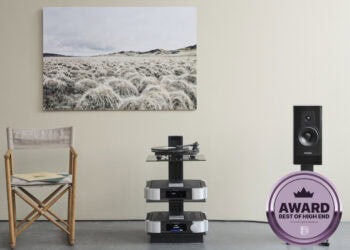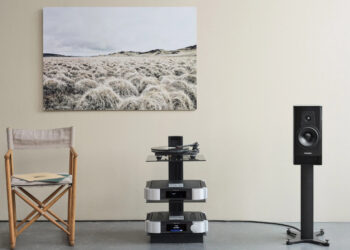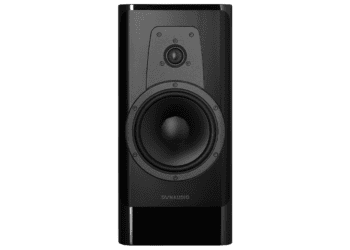


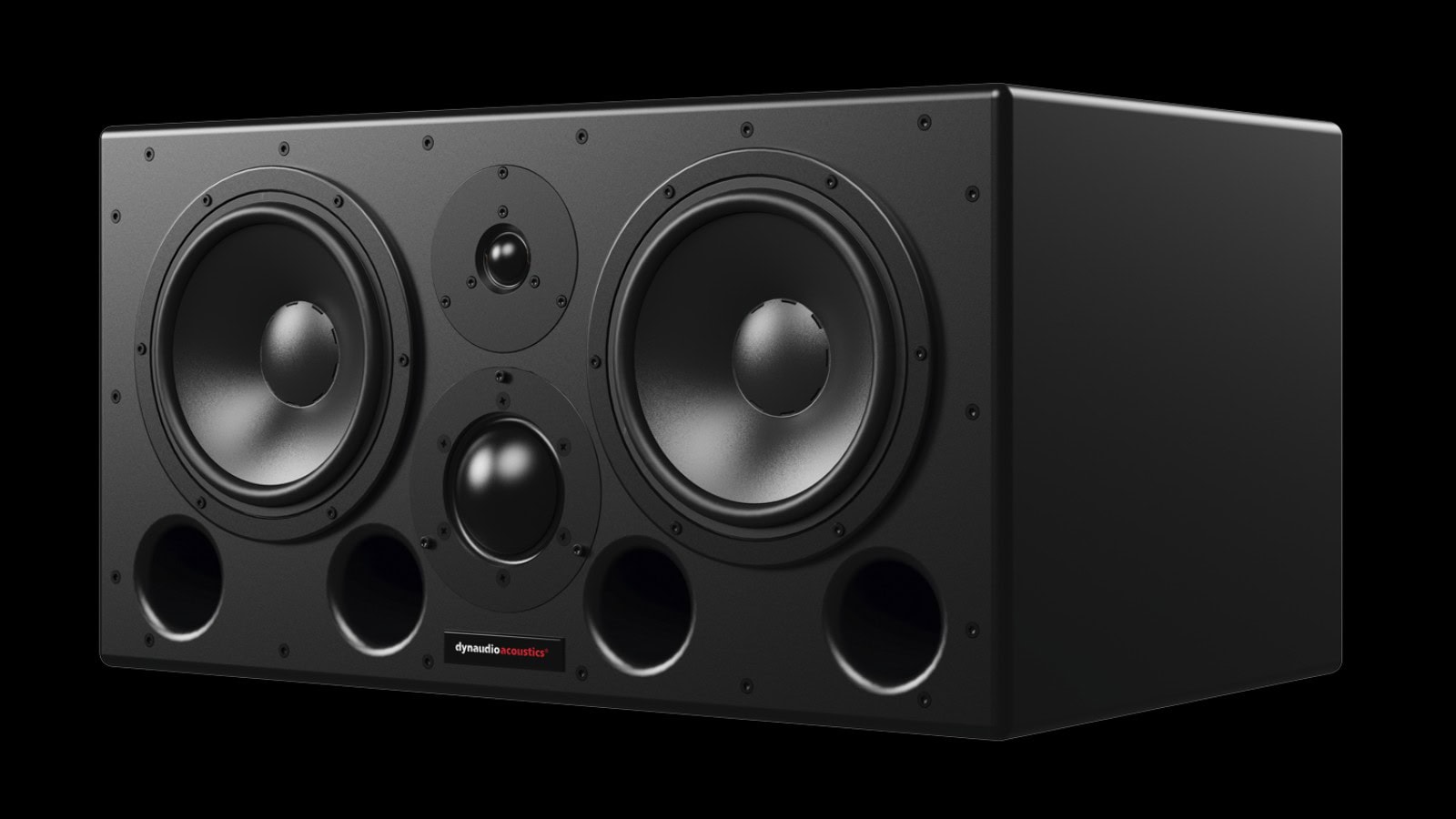
Dynaudio has refreshed one of its compact studio monitors with the M2 MkII, the second generation of the M2 that first set out to pack maximum accuracy and SPL into a small three-way near-/mid-field cabinet. Where the original M2 established the formula, the Dynaudio M2 MkII pushes considerably further on both output and resolution.
What’s New Inside the Dynaudio M2 MkII
The Dynaudio M2 MkII is built around the brand’s latest Esotar3 soft-dome tweeter, paired with a new soft-dome midrange driver and Dynaudio’s MSP low-frequency drive units. All three are tied together through a custom, hand-built crossover with breakpoints at 700 Hz and 3700 Hz. Dynaudio describes the goal as “astonishingly accurate imaging and frequency response” — the kind of behaviour engineers rely on for critical mixing and mastering decisions, where a monitor that flatters or hides problems in a mix is a liability rather than a tool.
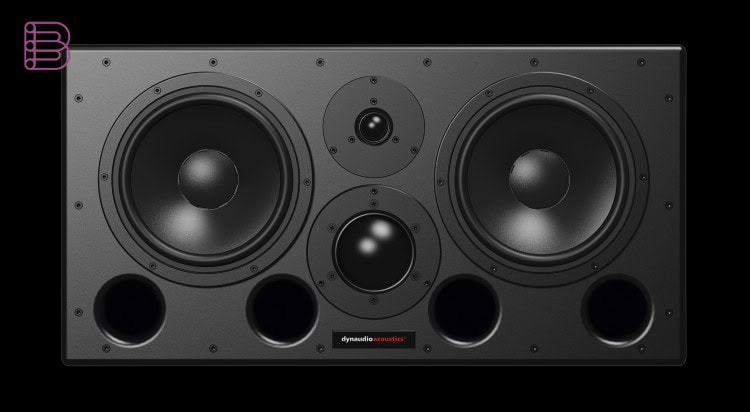
On paper, the Dynaudio M2 MkII covers a 40 Hz–20 kHz frequency response and reaches a maximum SPL of 125 dB in stereo, with total harmonic distortion held to 1% at 90 dB — figures that put it well ahead of the two-way M1 MkII in Dynaudio’s own M-series, while staying below the larger four-way M4 MkII and three-way M3 MkII, both of which trade the M2’s compact footprint for extra low-end extension and headroom.
Where the Dynaudio M2 MkII Fits in a Studio
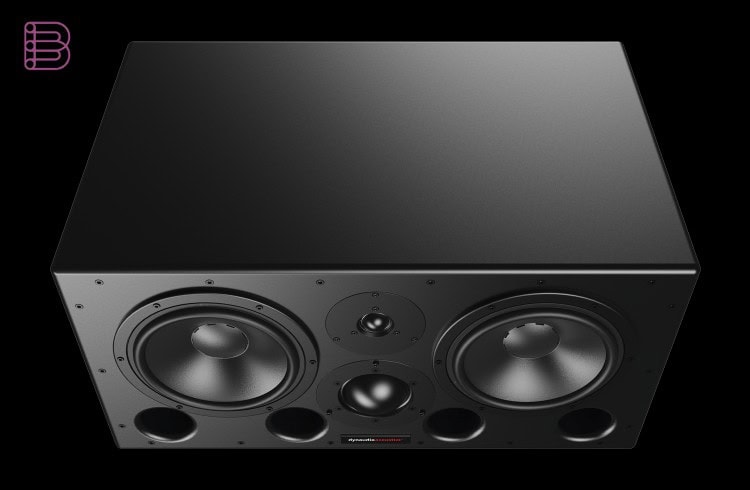
Dynaudio positions the M2 MkII for music recording, mixing and post-production work where desk or meter-bridge space is limited but a genuine three-way design is still wanted over a simpler two-way nearfield monitor. The three-way layout — separate tweeter, midrange and woofer, each handling a narrower band — is generally associated with lower distortion and more even dispersion than a two-way monitor asked to cover the same total bandwidth, which is likely the main reason Dynaudio kept the format for this update rather than simplifying it.
As with the rest of Dynaudio’s professional M-series, the M2 MkII is sold through Dynaudio’s professional sales channel rather than listed with a public consumer price — anyone interested is directed to request a quote or arrange a call with the Dynaudio Acoustics team. The full specification sheet and manual are available directly from Dynaudio’s own product page, alongside the rest of the current M-series lineup for studios that need a larger or smaller monitor from the same family.