

Producing and releasing music has never been easier in terms of tools. Paying for the process, though, can still catch new artists off guard. Studio hours, plugins, distribution fees, mastering, the costs pile up faster than most people expect.
The upside is that finishing a track no longer demands a high-end studio or a five-figure budget. A laptop, a few reliable tools, and a modest recording setup can take you surprisingly far. Artists today are recording, polishing, and releasing songs from anywhere in the world, often for a fraction of what the process used to cost.
This guide looks at practical ways to keep production affordable without cutting corners on the final release.
Why Music Production Feels So Expensive at First
Walk into a traditional recording studio and you might be paying hundreds of dollars for a single day. Professional mastering can run anywhere from $50 to several hundred dollars per track. Add distribution fees, plugins, virtual instruments, and sample packs, and the bill climbs quickly. Suddenly releasing one song starts to feel like a serious financial decision.
That’s where a lot of independent artists stall. The songs are half-finished, sitting on a hard drive, waiting for the budget to catch up with the idea.
The landscape has shifted a lot in the past decade, though. New tools and smarter workflows make it possible to produce and release music for far less than it once cost, and the results can still sound completely professional.
DIY and Affordable Ways to Produce Music at Home
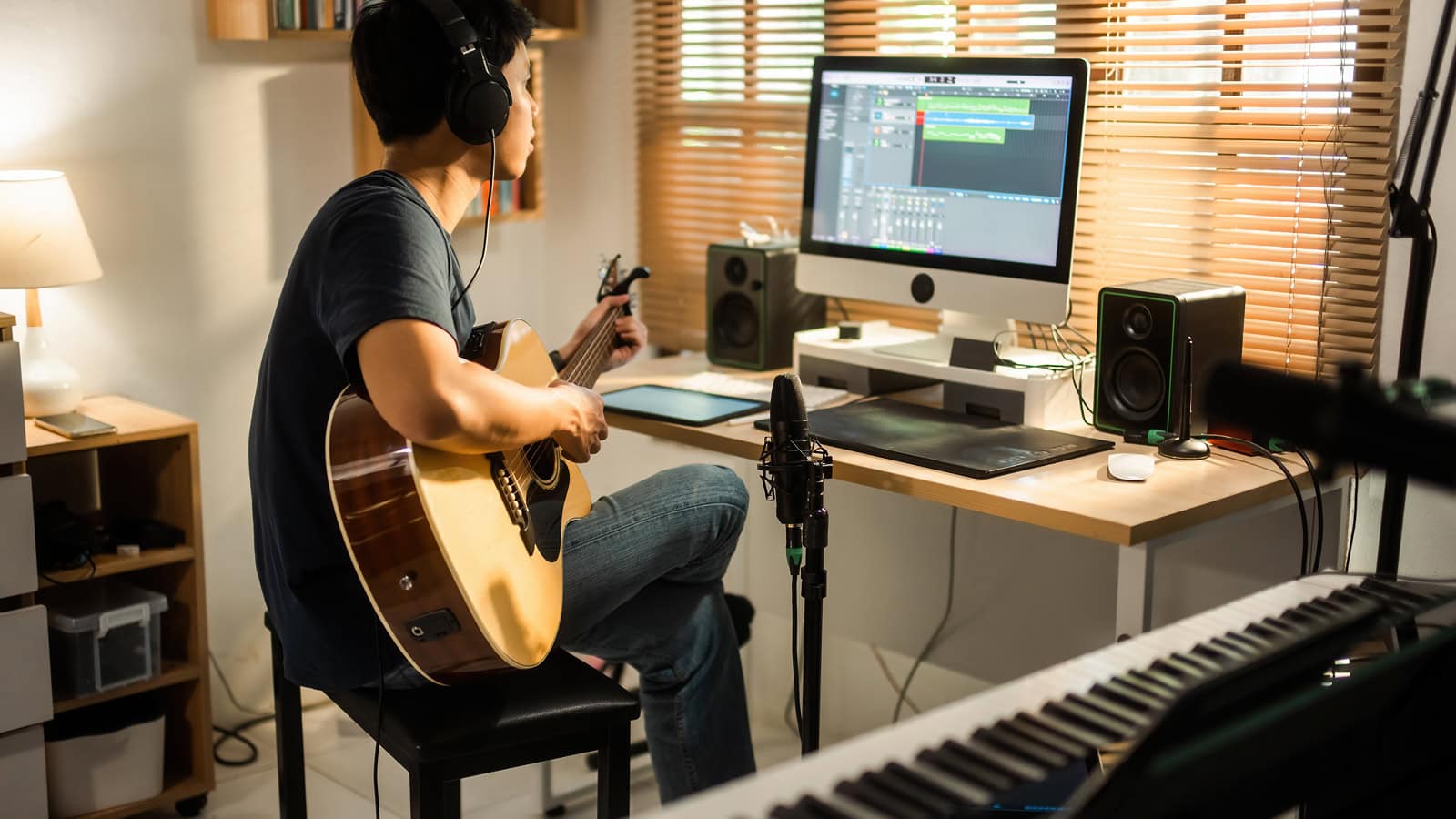
The biggest cost saver today is simple: work from home.
A basic setup with a computer, headphones, and an entry-level audio interface is enough to start recording vocals, building beats, and arranging full songs. Plenty of producers begin with free or inexpensive DAWs like GarageBand and slowly upgrade their setup as they go.
Royalty-free samples help fill in the gaps. Modern libraries contain millions of sounds across almost every genre imaginable, which means you can sketch out drums, melodies, or textures without hiring session musicians or booking extra studio time. Platforms like LANDR Samples, for instance, give producers access to large collections of loops and one-shots that drop straight into a project.
More importantly, learning a few core production skills pays off quickly. Once you understand basic recording techniques, mixing fundamentals, and how to structure a song, you rely far less on outside services. That alone can save hundreds of dollars over the course of a few releases.
Cheaper Ways to Master and Finalize Your Tracks
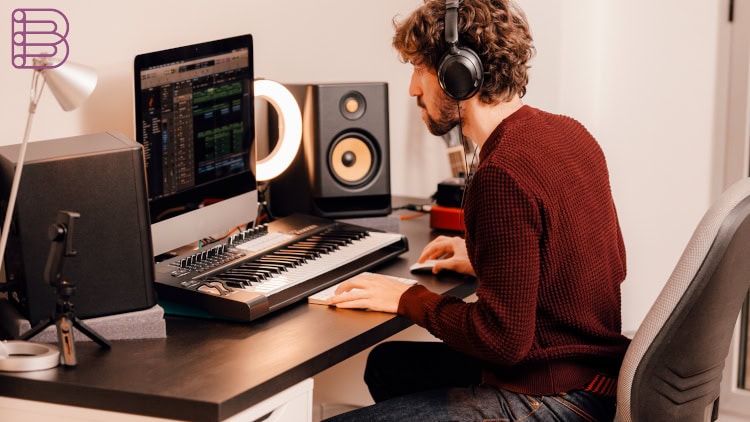
In the past, mastering meant hiring a mastering engineer for every release. Today, automated mastering tools offer a much cheaper alternative. AI-based platforms analyze things like EQ balance, loudness, and dynamics, then generate a polished master in minutes.
Some services now bundle several parts of the release process together. LANDR Studio, for example, combines mastering, distribution, sample libraries, and collaboration tools under one subscription.
For independent artists, that kind of setup replaces a stack of separate services. Instead of paying for multiple platforms, everything sits in one place. Another practical benefit: tracks distributed through LANDR stay live on streaming services even if you cancel the subscription later, which helps you maintain your catalog over time.
Keep Releasing Without Draining Your Budget
Making music no longer requires a room packed with expensive gear. With some solid production basics and the right subscription tools, you can move a track from a rough idea to a finished release.
More musicians are skipping the wait for the “perfect” studio setup and finishing songs with what they already have. The result? More music is released more often, which is what actually moves a career forward.