

Dolby Laboratories has officially elevated home entertainment to new heights with the rollout of Dolby Vision 2, the next-generation evolution of its acclaimed HDR technology. First unveiled in September 2025, Dolby Vision 2 took center stage at CES 2026 (January 2026), where Dolby showcased live demonstrations, expanded partnerships, and confirmed availability across premium 2026 TV lineups—marking a transformative leap in brightness, contrast, color accuracy, and adaptive intelligence for movies, sports, gaming, and beyond.
Redefining HDR with Intelligent Innovation
Building on over a decade of Dolby Vision as the gold standard for premium HDR, Dolby Vision 2 introduces a redesigned Next-Gen Dolby Image Engine powered by advanced AI-driven Content Intelligence. This suite of features automatically optimizes picture quality based on the content type and viewing environment, addressing longstanding consumer feedback while honoring creators’ intent.
Key advancements include:
- Precision Black — Dramatically improves clarity in dark scenes, eliminating the common “too dark” complaint without sacrificing artistic vision.
- Light Sense — Advanced ambient light detection combined with reference lighting data from the content source for perfectly tuned viewing in any room condition.
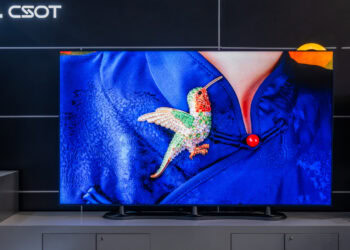
- Bi-directional tone mapping — Leverages the extreme brightness and wide color capabilities of today’s high-performance TVs, delivering higher peak brightness, sharper contrast, and deeply saturated colors.
- Authentic Motion — The world’s first creative-driven motion control, reducing judder on a shot-by-shot basis for smoother, more natural movement—especially beneficial for live sports and fast-paced gaming.
- Specialized optimizations for sports (white point and motion adjustments) and gaming.
Dolby Vision 2 comes in two tiers: Dolby Vision 2 for mainstream TVs with core next-gen enhancements, and Dolby Vision 2 Max for flagship models, unlocking premium features that maximize ultra-high-brightness and wide-color displays.
Broad Industry Momentum and 2026 Rollout
The momentum behind Dolby Vision 2 has accelerated rapidly at CES 2026. Hisense (initial launch partner) will integrate it into its 2026 RGB MiniLED lineup, including flagship UX, UR9, and UR8 series, with potential OTA updates for additional models. TP Vision’s Philips becomes the first to bring Dolby Vision 2 to OLED TVs, featuring it in the new 2026 OLED811, OLED911, and flagship OLED951 series. TCL has also confirmed support across select 2026 models.
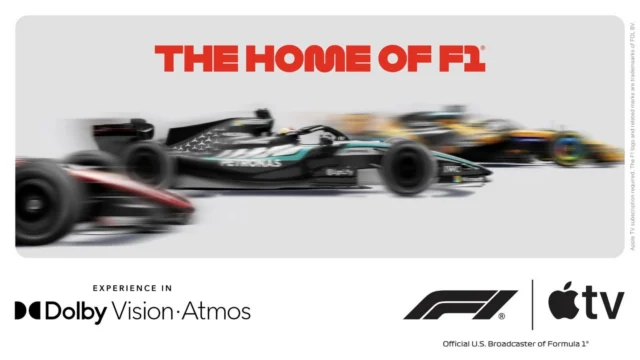
First silicon integration comes via MediaTek’s Pentonic 800 with MiraVision™ Pro PQ Engine. On the content side, CANAL+ is the pioneering media group committing to Dolby Vision 2 across movies, series, and live sports, while Peacock plans to adopt it for enhanced streaming experiences, starting with live sports in Dolby Vision and Atmos.

John Couling, Senior Vice President, Entertainment at Dolby Laboratories, stated: We’ve reached an inflection point where TV technology has dramatically changed while artists continue to demand even more innovative tools. Dolby Vision 2 redefines how we think of Dolby Vision to unleash the full capabilities of modern TVs while giving artists unprecedented opportunities to push their creative boundaries further than ever before.
In an era of brighter, more colorful TVs, Dolby Vision 2 bridges the gap between creator intent and real-world viewing, making HDR more accessible, consistent, and breathtaking—even on mid-range sets. It promises to elevate everything from cinematic blockbusters to live sports broadcasts and immersive gaming, setting a new benchmark for premium picture quality.
With 2026 TV models now hitting the market and content support ramping up, Dolby Vision 2 is poised to become the must-have HDR standard for discerning enthusiasts.