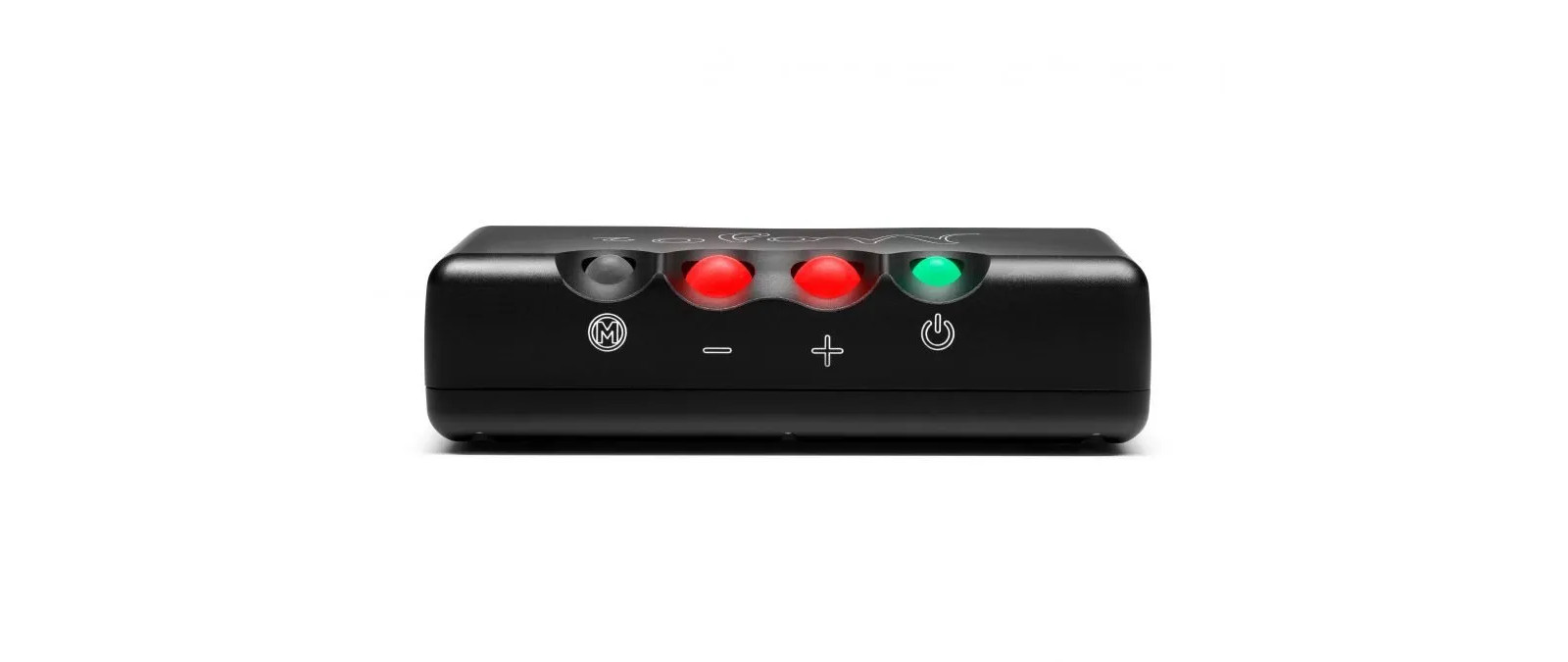
Chord Electronics’ Mojo 2 stands as a beacon of British engineering excellence. Launched in 2022, this compact digital-to-analog converter (DAC) and headphone amplifier has not only endured but dominated the high-end audio landscape, securing the coveted “Best DAC” accolade at the What Hi-Fi? Awards for four consecutive years—2022 through 2025. As audiophiles worldwide celebrate what has become an unofficial “Mojo 2 Day” on December 2, marking the anniversary of its transformative impact, it’s worth revisiting why this device remains the gold standard for on-the-go sonic bliss.




Handmade precision
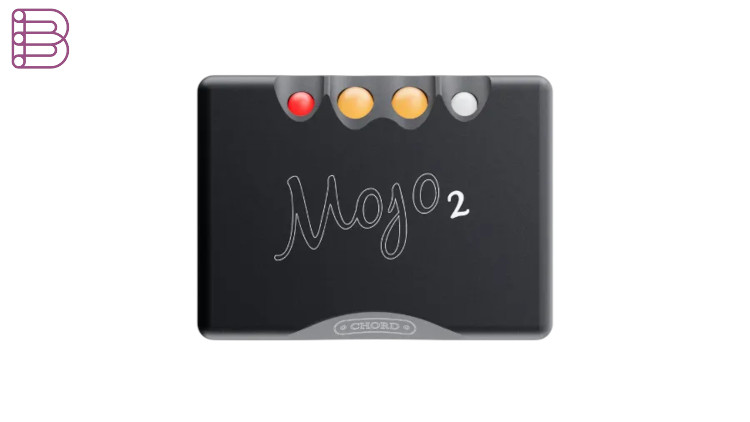
Crafted entirely in the UK with handmade precision, the Mojo 2 encapsulates Chord’s signature blend of innovation and artistry. Housed in a sleek, CNC-milled chassis of aircraft-grade aluminum—measuring just 83 mm x 62 mm x 22.9 mm and weighing a featherlight 185 grams—it’s as portable as a smartphone yet built to rival desktop behemoths. The device’s intuitive control spheres, now enhanced with a fourth for menu navigation, allow seamless adjustments for volume, mute, crossfeed, button-lock, and even tonal tweaks via its groundbreaking lossless UHD DSP (Ultra-High Definition Digital Signal Processing). This proprietary technology delivers digital tone control without any degradation in sound quality, offering unrivaled flexibility for headphone matching and room acoustics simulation— a world-first that sets it apart in the portable DAC arena.
Custom-coded FPGA processor
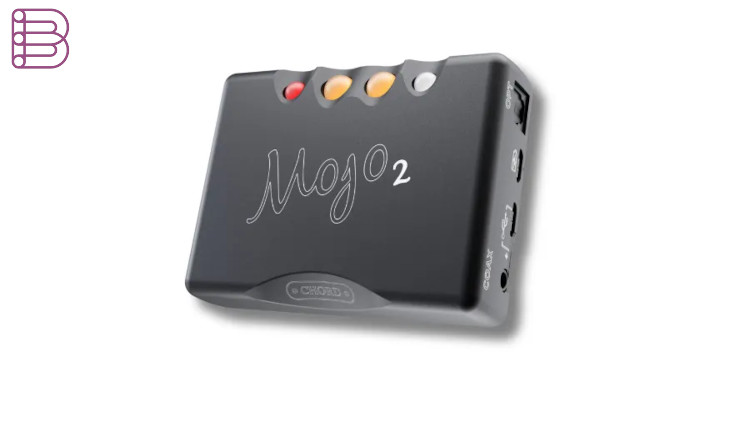
At its core lies Chord’s custom-coded FPGA processor, now upgraded with 40 dedicated DSP cores running the company’s proprietary WTA (Watts Transient Aligned) filtering algorithm. This powerhouse supports native playback up to 768 kHz PCM and DSD256 via DoP, ensuring studio-grade resolution on the move. Inputs are versatile, accommodating coaxial, dual-data coax, optical, Micro-USB, and a switchable USB-C port for both charging and data. Outputs include the classic 3.5 mm jack alongside a new 4.4 mm balanced option, capable of driving demanding 800Ω headphones with aplomb. Power delivery is impressive: 90 mW into 300 ohms and a robust 600 mW into 30 ohms, all while maintaining audiophile-grade metrics like a 125 dB dynamic range, 2.7 µV noise floor, and a vanishingly low 0.0003% distortion at 2.5 V into 300 ohms.
Magical soundstage
But the Mojo 2’s true magic unfolds in its soundstage. Reviewers and users alike praise its enhanced transparency, neutrality, and detail retrieval, with no measurable noise floor modulation to cloud the experience. The improved noise-shaper and FPGA refinements translate to greater resolution and efficiency compared to its predecessor, the original Mojo, while slashing power loss by 75% and boosting battery capacity by 9%. Intelligent battery management means faster charging and longer sessions, making it a reliable companion for commutes, travels, or late-night listening marathons. Wireless integration via Chord’s Poly streamer/server, Roon compatibility, and Audirvāna certification further extend its ecosystem, bridging the gap between wired precision and untethered freedom.
Democratizing high-end audio
What elevates the Mojo 2 beyond mere specs is its role in democratizing high-end audio. In a market flooded with budget Bluetooth earbuds and streaming shortcuts, it reminds us that true fidelity—crisp highs, textured mids, and authoritative bass—demands deliberate design. High-impedance cans from brands like Sennheiser, Focal, or Audeze come alive through its outputs, revealing layers of nuance that lesser devices simply can’t touch.
Looking ahead, Chord Electronics shows no signs of resting on these laurels. Whispers in the audio community hint at future iterations or ecosystem expansions, but for now, the Mojo 2 endures as a testament to what portable high-end can achieve. Priced accessibly for its class (check Chord’s official site for current details), it’s available through authorized dealers worldwide, ensuring that “Mojo 2 Day” isn’t just a celebration—it’s an invitation to experience audio at its peak.